

How to Build a Successful Business with an Oil Seed Press Machine
The demand for cold-pressed and refined oils is rising globally, making the oilseed pressing business a profitable venture. Whether you want to process soybean, sunflower, rapeseed, or other oilseeds, investing in a high-quality oil seed press machine can open doors to a lucrative market. However, success in this business requires more than just purchasing a machine—it involves market research, cost management, efficiency optimization, and strategic marketing.
This guide will walk you through how to maximize profits with an oilseed press machine and build a long-term sustainable business.
Section 1: Understanding the Oilseed Pressing Business
Before diving into the business, it’s crucial to understand how an oilseed press machine works and what it takes to succeed.
1. What is an Oilseed Press Machine?
– An oil seed press is a machine that extracts oil from various oilseeds using mechanical pressure.
– Machines vary from cold press machines that retain nutrients to hot press machines that enhance yield.
2. Types of Oilseed Pressing Machines
– Multi oil seed press machine – Suitable for processing multiple types of oilseeds.
– Oil seed extraction machine – Designed for large-scale oil extraction.
– Oil seed crushing machine – Prepares oilseeds for pressing by breaking them down.
3. Key Components of Oilseed Processing Machinery
– Oilseed crusher / oil seed crusher – Breaks seeds into smaller pieces.
– Oilseed extraction equipment – Extracts oil using pressure or solvent-based methods.
– Oilseed processing equipment – Includes filters, conveyors, and refining units.
Section 2: Market Research – Finding Profitable Opportunities
1. Identify High-Demand Oilseeds
– Research which oils are most in demand in your region (soybean, sunflower, rapeseed, etc.).
– Consider organic and specialty oils to differentiate your business.
2. Determine Your Target Customers
– Food Industry – Restaurants, food manufacturers, and supermarkets.
– Cosmetics & Pharmaceuticals – Essential oils and skincare product manufacturers.
– Biofuel Industry – Companies using pressed oil for biodiesel production.
3. Analyze Market Trends & Pricing
– Study competitors’ pricing and determine a profitable yet competitive price.
– Research the oil seed press machine price to budget accordingly.

Section 3: How to Choose the Right Oil Seed Press Machine for Your Plant
Selecting the right oil seed pressing machine is a crucial step in optimizing efficiency, ensuring high-quality oil production, and maximizing profitability. With various machines available in the market, it’s important to carefully evaluate different factors to make an informed decision that suits your production needs. Below are key considerations to help you choose the best oil seed press machine for your plant.
1. Understand Different Machine Types and Their Applications
Oil seed pressing machines come in different types, each designed for specific processing requirements. Knowing the differences can help you select the most suitable machine for your business.
- Cold Press Machines– These machines operate at low temperatures to extract oil without using external heat. This method retains the natural nutrients, aroma, and flavor of the oil, making it ideal for producing high-quality edible oils. It is commonly used for seeds like flaxseed, olive, and coconut.
- Hot Press Machines– These machines use heat to improve oil yield by softening the seeds and breaking down cell walls. The heating process enhances oil extraction efficiency and increases output, making it a great option for large-scale production. However, the heating process may slightly reduce the nutritional value of the oil.
- Hydraulic Oil Press– This type of press is mainly used for small-scale production and specialized oils, such as sesame oil and walnut oil. It operates with hydraulic pressure to extract oil in a pure and natural way. Though slower than screw presses, it is known for producing high-quality oil with minimal processing.
- Screw Oil Press– One of the most widely used oil extraction machines, screw oil presses are highly efficient and suitable for processing a wide range of oil seeds, including soybean, sunflower, rapeseed, and peanut. These machines are often preferred for medium to large-scale operations due to their continuous operation, high efficiency, and ability to process multiple seed types.
2. Consider Your Production Capacity
Before investing in an oil seed press machine, determine your daily, weekly, or monthly production requirements. This helps in selecting a machine that aligns with your business goals.
- Small-Scale Production– If you are running a small business or starting out, a hydraulic press or a small screw oil press may be sufficient for your needs.
- Medium to Large-Scale Production– For businesses requiring high volumes of oil extraction, a screw oil press or an integrated oil pressing system with pre-treatment and refining capabilities would be a better choice.
- Future Growth Considerations– It’s also essential to consider potential business expansion. Investing in a machine with slightly higher capacity than your current needs can help accommodate future demand without the need for frequent upgrades.
3. Assess Machine Efficiency and Oil Yield
Efficiency and oil yield are critical factors in choosing an oil seed pressing machine, as they directly impact profitability.
- High Oil Extraction Rate– Look for machines designed to maximize oil yield while minimizing residual oil content in the seed cake. A high oil recovery rate ensures you get the most out of your raw materials.
- Low Energy Consumption– Consider energy-efficient machines that reduce operational costs over time. Some modern oil press machines come with automatic temperature control and energy-saving features.
- Versatility in Processing Different Seeds– If your business deals with multiple types of oil seeds, consider investing in a multi-function oil seed press machine that can handle various seeds such as sunflower, sesame, rapeseed, and peanuts. This allows flexibility in production without needing separate machines.
4. Select a Reliable Supplier and Manufacturer
The quality and durability of an oil seed pressing machine depend largely on the manufacturer and supplier. Choosing a trusted supplier ensures you receive a high-quality machine along with reliable after-sales support.
- Check the Supplier’s Reputation– Look for an oil seed press machine supplier with positive customer reviews, testimonials, and a strong track record of delivering quality machinery.
- Verify Certifications and Standards– Ensure that the machine is manufactured following international quality standards, such as ISO certification and CE marking, to guarantee performance and safety.
- After-Sales Support and Warranty– A reliable manufacturer should provide warranties, spare parts availability, and technical support. Regular maintenance services and operator training can also be valuable for long-term machine performance.
By carefully evaluating these factors, you can select the best oil seed pressing machine that meets your production goals and ensures long-term business success. Investing in a high-quality machine from a reputable manufacturer will not only improve efficiency but also enhance the quality of the oil produced, helping your business stay competitive in the market.
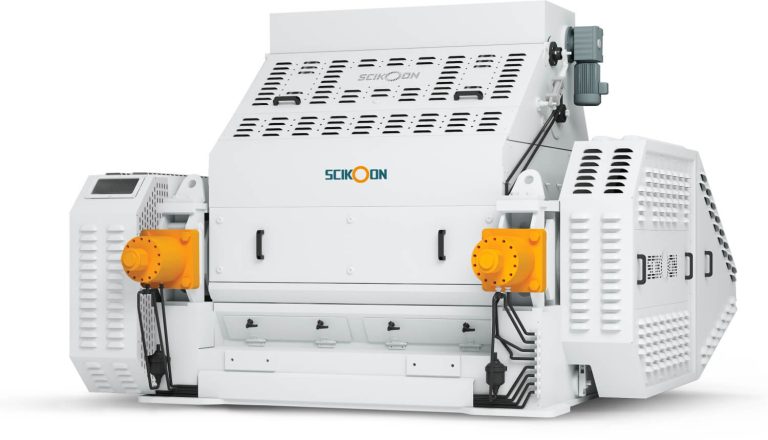
Section 4: Cost Management – Keeping Expenses Low for Higher Profits
Managing costs efficiently ensures higher profit margins. Here are the key strategies:
1. Initial Investment & Financing
– Compare different oil seed press machine price options before purchasing.
– Consider financing options or government grants to reduce upfront costs.
2. Energy Efficiency & Maintenance Costs
– Choose energy-efficient oilseed processing machinery to reduce electricity bills.
– Schedule routine maintenance to prevent machine downtime and expensive repairs.
3. Reduce Raw Material Costs
– Buy oilseeds in bulk to get better pricing.
– Use by-products (oilseed cake) for animal feed or secondary revenue streams.
Section 5: Marketing Your Oil Seed Pressing Services to Attract More Customers
Effective marketing increases brand visibility and customer acquisition.
1. Build a Strong Brand Identity
– Create a compelling brand story around high-quality, natural oils.
– Use attractive packaging and clear labeling to differentiate your products.
2. Leverage Digital Marketing
– Utilize SEO, social media, and email marketing to reach customers online.
– Offer promotions and discounts to attract first-time buyers.
3. Establish Wholesale & Retail Partnerships
– Partner with supermarkets, restaurants, and beauty product manufacturers.
– Offer bulk pricing and subscription models for recurring customers.
Section 6: Scaling Your Business for Long-Term Success
Scaling your oil seed processing business is essential for sustained growth and profitability. By strategically expanding production, diversifying product offerings, and exploring new markets, you can enhance your competitive advantage and ensure long-term success. Below are key strategies to help you scale effectively.
1. Expand Production Capacity
As demand for your products grows, increasing your production capacity is a crucial step in scaling your business. Investing in advanced machinery and optimizing operational efficiency can significantly boost output while reducing costs.
- Upgrade to Larger Oil Seed Press Machines– Transitioning to high-capacity oil seed press machines enables you to process more raw materials in less time, improving overall efficiency. Large-scale screw oil presses or automated oil extraction systems can help meet increasing market demand.
- Implement Automation for Streamlined Operations– Automating key production processes, such as seed cleaning, pressing, and oil filtration, can reduce manual labor, improve consistency, and enhance productivity. Modern oil extraction plants integrate automated temperature control, moisture regulation, and oil refining processes to optimize output.
- Optimize Facility Layout and Workflow– Expanding production isn’t just about bigger machines; it’s also about improving the layout of your processing plant. A well-designed facility with efficient material flow can minimize downtime, reduce waste, and enhance productivity.
2. Diversify Product Offerings
Expanding your product line can open new revenue streams and strengthen your market presence. Instead of focusing solely on raw oil production, consider introducing value-added products that cater to diverse consumer needs.
- Introduce Refined and Specialty Oils– Offering refined, flavored, or organic oils can help you target premium markets. Cold-pressed and virgin oils are increasingly popular among health-conscious consumers. Specialty oils such as infused olive oil or gourmet sesame oil can attract niche buyers.
- Utilize By-Products for Additional Revenue– Oilseed meal, a by-product of oil extraction, is a valuable ingredient in animal feed and fertilizer. Instead of discarding seed cake, process and sell it to livestock farms or organic fertilizer manufacturers, adding another profit stream.
- Develop Retail and Wholesale Packaging– Scaling a business isn’t just about producing more—it’s also about how products are marketed. Consider introducing different packaging sizes for retail and wholesale customers. Offering bottled oils for supermarkets and bulk packaging for food manufacturers can help you reach different market segments.
3. Explore International Markets
Expanding beyond local markets can unlock new growth opportunities and increase profitability. Researching global trends, understanding regulatory requirements, and building strong distribution networks can help you successfully enter the international market.
- Research Export Opportunities in High-Demand Regions– Certain markets, such as Europe, North America, and the Middle East, have high demand for quality edible oils. Understanding consumer preferences, import regulations, and certification requirements (such as organic or non-GMO certifications) can give you an edge in these lucrative markets.
- Partner with Distributors and Retailers– Establishing partnerships with international distributors can help you expand your reach without needing a physical presence in foreign markets. Consider working with wholesalers, retailers, or e-commerce platforms to distribute your products globally.
- Leverage Digital Marketing for Global Sales– E-commerce and digital marketing have made it easier to reach international customers. Setting up an online store, optimizing your website for global search engines, and utilizing social media platforms can help attract buyers from different regions. Platforms like Amazon, Alibaba, and Shopify can provide a global sales channel for your oil products.
Final Thoughts
Scaling a business requires careful planning and investment in the right resources. By expanding production capacity, diversifying your product range, and exploring international markets, you can position your business for long-term success. With the right strategy, your oil seed processing business can evolve from a local operation into a globally competitive enterprise.
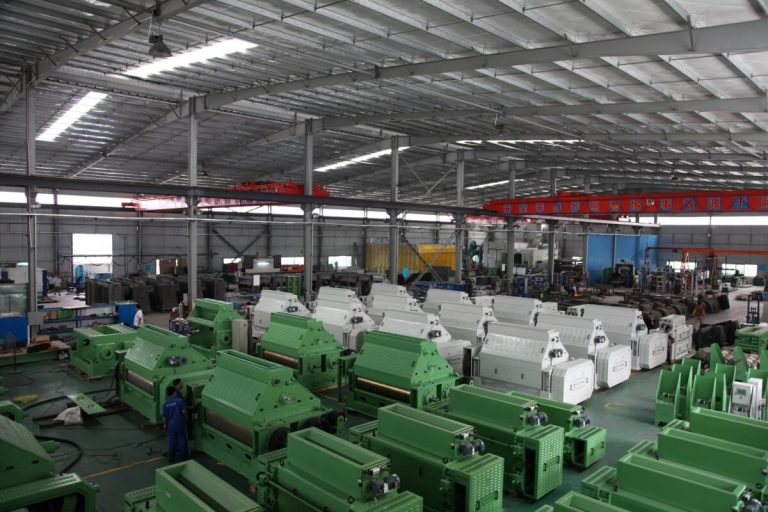
Section 7: Common Mistakes to Avoid When Starting an Oil Seed Pressing Business
Starting an oil seed pressing business can be a lucrative venture, but many entrepreneurs encounter challenges that can hinder profitability and growth. Avoiding common mistakes can save time, reduce costs, and improve operational efficiency. Below are some of the most frequent pitfalls and how to overcome them.
1. Underestimating Operating Costs
One of the biggest mistakes new business owners make is focusing only on the initial oil seed press machine price while overlooking the long-term operational expenses.
- Raw Material Costs– The price of oilseeds can fluctuate due to seasonality, global demand, and weather conditions. Failing to secure a stable supply or negotiate favorable purchase agreements can lead to increased costs.
- Energy Consumption– Oil seed extraction machines, especially large-scale screw presses and hydraulic presses, require significant power. Estimating electricity or fuel consumption is crucial to maintaining profitability. Consider investing in energy-efficient models to lower costs.
- Maintenance and Spare Parts– Routine maintenance is essential to prevent breakdowns and extend the lifespan of your equipment. Many entrepreneurs neglect the cost of spare parts, repairs, and technician services, which can lead to unexpected expenses.
- Labor and Training Costs– Hiring skilled workers or training employees to operate machinery efficiently can add to initial costs. Well-trained operators reduce errors, minimize waste, and maximize oil extraction rates.
2. Choosing the Wrong Machine
Selecting an inappropriate oil seed extraction machine can result in inefficiencies, increased costs, and lower product quality. It’s essential to choose the right machine based on your production needs and business goals.
- Not Matching Machine Capacity to Demand– If you purchase a machine that is too small, it may not meet production requirements, leading to delays and lost revenue. Conversely, an oversized machine may consume unnecessary energy and increase operational costs.
- Ignoring Seed Variety Compatibility– Different oilseeds (e.g., sunflower, soybean, peanut, sesame) have varying processing requirements. A multi-purpose oil seed press machine can be a good investment if you plan to process multiple seed types.
- Overlooking Oil Extraction Efficiency– Machines with higher oil yield percentages ensure that you get the most out of your raw materials. Low-efficiency machines may leave excessive oil in the seed cake, reducing profitability.
- Neglecting Future Expansion– If you plan to scale your business, choosing modular or upgradable equipment can help you expand production capacity without replacing your entire setup.
3. Poor Marketing Strategy
Even the best-quality oil will struggle to gain market traction without an effective marketing and sales strategy. Relying solely on word-of-mouth or traditional marketing methods can limit business growth.
- Lack of Online Presence– In today’s digital world, customers research and purchase products online. Not having a professional website, social media presence, or online store can hinder brand visibility.
- Ignoring Branding and Packaging– A well-branded product with attractive packaging stands out in a competitive market. Investing in quality labeling, eco-friendly packaging, and proper certifications (e.g., organic, non-GMO) can enhance credibility and attract premium buyers.
- Failure to Identify Target Markets– Different consumers have unique preferences. For instance, health-conscious consumers may prefer cold-pressed oils, while industrial buyers may need bulk-refined oils. Understanding your target audience and tailoring your marketing efforts accordingly is crucial.
- Not Utilizing Digital Marketing– Social media marketing, search engine optimization (SEO), and online advertising can help reach a larger audience. Platforms like Facebook, Instagram, and LinkedIn can drive customer engagement, while e-commerce platforms (Amazon, Alibaba, Shopify) enable direct sales.
Final Thoughts
Starting an oil seed pressing business requires careful planning, investment in the right equipment, and a solid marketing strategy. By avoiding these common mistakes—underestimating costs, choosing the wrong machine, and neglecting marketing—you can set your business up for long-term success and profitability. Taking proactive steps to mitigate these risks will help you maximize efficiency, reduce expenses, and establish a strong market presence.

Section 8: Recommended Supplier of Oil Seed Press Machine
Building a successful oilseed pressing business requires market research, smart investment in machinery, cost control, effective marketing, and expansion planning. By following these strategies, you can maximize your profits and grow your business. For a reliable oil seed press machine manufacturer, trust Scikoon Industry Co., Ltd. to provide high-quality equipment and expert guidance.
Scikoon Industry Co., Ltd.
Web: www.scikoonindustry.com
Email: info@scikoon.com
