

How to Choose the Best Soybean Dehuller Machine for Your Plant
Choosing the right soybean dehuller machine is a pivotal decision for any plant involved in soybean processing. Whether you’re producing soy protein, oil, or other soybean-based products, having an efficient dehulling process is key to optimizing product quality and operational efficiency. In this guide, we’ll walk you through the essentials of selecting the best soybean dehuller machine for your specific needs, addressing factors like machine types, capacity, efficiency, and maintenance.
Section 1: Understanding Soybean Dehulling and Its Importance
1.1 What is Soybean Dehulling?
Soybean dehulling refers to the process of removing the outer shell (hull) of soybeans to expose the inner kernel. This step is crucial for enhancing the nutritional value, processing efficiency, and quality of the final products made from soybeans, such as soy protein, oil, and various soy-based food products.
1.2 Why is Soybean Dehulling Important?
Dehulling plays a key role in several important aspects of soybean processing. Below are the main reasons why this process is essential:
– Enhanced Nutritional Quality:
- Soybeans with their hulls removed have higher protein content and offer better oil extraction, which is essential for producing high-quality soy protein, oil, and other byproducts.
– Improved Oil Extraction:
- Removing the hulls maximizes the efficiency of oil extraction processes. Without the hulls, the oil is more easily extracted from the inner kernel, resulting in higher yields of oil and reduced waste.
– Better Processing for Food Products:
- Soybean products like tofu, soy milk, and soy protein isolates benefit from dehulled soybeans, as they yield smoother textures and more refined products.
– Reduced Impurities:
- Dehulling removes impurities such as dirt, dust, and foreign particles, ensuring a cleaner and more refined end product. This is especially important when producing high-quality edible oil or protein concentrates.
– Higher Processing Efficiency:
- Dehulled soybeans process more efficiently in machines used for further processing. The removal of hulls reduces the wear and tear on subsequent equipment and improves the overall flow of production.
1.3 The Impact on Final Products
The dehulling process not only improves the nutritional content of soybeans but also enhances the flavor and texture of soy-based products. For example:
- Soy Protein: More pure and concentrated, providing better nutritional value.
- Soy Milk: Smoother and creamier, offering a better customer experience.
- Soy Oil: Higher yield and quality of oil, with less waste.
Section 2: Different Types of Soybean Dehuller Machines
Selecting the right type of dehuller depends on your specific needs, production volume, and budget. Below are the common types:
2.1 Mechanical Dehullers
- How They Work: These machines use rotating rollers to apply pressure to the soybeans, breaking open the hulls.
- Best For: Small to medium-sized operations.
- Pros: Cost-effective, simple to operate.
- Cons: May cause higher bean damage and less efficient dehulling.
2.2 Airflow Dehullers
- How They Work: These machines use high-pressure air to blow away the hulls from the beans.
- Best For: High-volume operations requiring minimal bean breakage.
- Pros: Efficient, reduces bean damage.
- Cons: Higher initial investment.
2.3 Roller Dehullers
- How They Work: Steel rollers apply pressure to the soybeans, loosening the hulls without damaging the kernels.
- Best For: Large-scale operations needing high throughput.
- Pros: High capacity, minimal bean breakage.
- Cons: Higher energy consumption and initial cost.
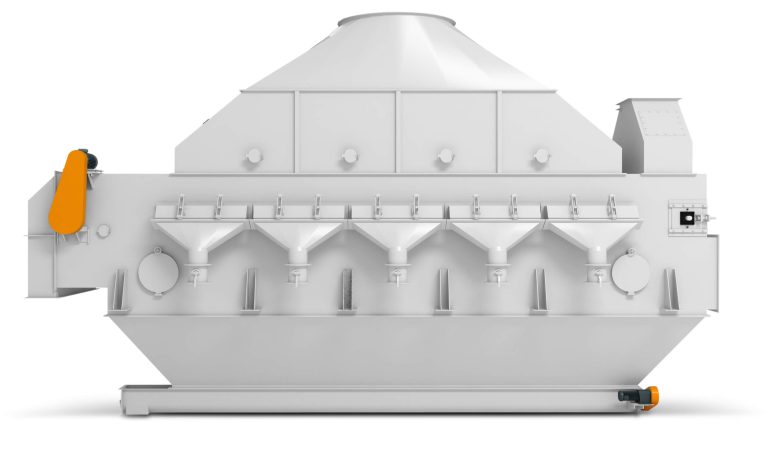
2.4 Vibrating Dehullers
- How They Work: Vibration is used to separate the hulls from the beans.
- Best For: Medium-sized operations looking for balance between cost and performance.
- Pros: Energy-efficient, simple design.
- Cons: Not as effective for large-scale operations.
Section 3: Key Factors to Consider Before Buying a Soybean Dehuller Machine
When purchasing a soybean dehuller machine, it’s essential to consider several key factors to ensure it meets your plant’s specific needs. Below are the most important considerations to keep in mind:
3.1 Production Capacity
– Assess Your Production Needs:
The capacity of the dehuller machine should align with your plant’s production volume. Determine the number of soybeans your plant processes per day or hour, and select a machine that can handle this capacity efficiently.
– Scalability:
Consider whether you anticipate growth in production over time. If you expect higher throughput, choose a machine that can scale with your needs.
3.2 Dehulling Efficiency
– Effectiveness of Dehulling:
The primary function of the dehuller is to remove the outer hulls from the soybeans while preserving the integrity of the kernels. A high-efficiency machine will ensure that a large percentage of the hull is removed with minimal damage to the beans, which is crucial for maintaining product quality.
– Seed Breakage:
Consider the machine’s ability to minimize seed breakage. A dehuller with lower breakage rates will yield higher-quality soybeans, ensuring a smoother process in subsequent stages, such as oil extraction or food production.
3.3 Energy Consumption
– Operational Cost:
Energy efficiency is a key consideration when selecting a soybean dehuller machine. A machine that consumes less energy will reduce operational costs and contribute to a more sustainable production process.
– Energy Savings:
Look for machines with energy-saving features or those designed to operate efficiently over long periods, especially if your plant operates continuously or at high capacity.
3.4 Durability and Maintenance
– Long-Term Performance:
Investing in a durable dehuller machine will save money in the long run by reducing the need for repairs or frequent replacements. Machines made with high-quality materials and engineering are likely to perform better over time.
– Maintenance Requirements:
Understand the maintenance needs of the dehuller machine. Machines that require frequent maintenance can lead to production downtime, which can impact efficiency. It’s advisable to choose machines with easy maintenance processes and accessible spare parts.
– Support Availability:
Check if the manufacturer offers reliable after-sales support and a comprehensive warranty to address any issues or maintenance concerns after purchase.
3.5 Cost vs. Value
– Initial Investment:
The initial cost of the machine is an important factor, but it should not be the only one considered. Ensure the machine offers good value for money by balancing its price with features such as capacity, efficiency, and durability.
– Return on Investment (ROI):
Calculate the potential return on investment by considering the long-term benefits of the machine, such as increased production efficiency, reduced waste, and lower operating costs. Choose a machine that offers the best value over time.
Section 4: How to Choose the Right Soybean Dehuller Machine for Your Plant
Selecting the right soybean dehuller machine for your plant involves evaluating several factors to ensure the machine meets your specific needs and production requirements. Here’s a detailed guide to help you make an informed decision:
4.1 Understand Your Production Requirements
– Production Volume: The first step in choosing the right dehuller machine is to assess the volume of soybeans you need to process daily or hourly. If your plant has high throughput, you’ll need a machine with greater capacity. On the other hand, if your operation is smaller or seasonal, a lower-capacity machine may suffice.
– Processing Time: Determine how quickly you need to process the soybeans. A machine with higher processing speed can help reduce time in production, which is essential for meeting tight deadlines or increasing throughput. Ensure the machine’s processing time aligns with your plant’s overall production schedule.
– Batch or Continuous Processing: Consider whether your plant requires batch processing or continuous processing. Some machines are designed for batch operations, where soybeans are processed in specific quantities, while others support continuous processing, which is better suited for large-scale operations. The type of operation you have should dictate the type of dehuller you choose.
4.2 Evaluate Dehulling Performance
– Dehulling Efficiency: Look for a dehuller machine that provides efficient dehulling with minimal damage to the soybeans. The performance of the machine directly impacts the quality of the final product. A high-efficiency machine will remove the hulls effectively while maintaining the integrity of the inner kernels, which is essential for further processing, such as oil extraction or protein concentrate production.
– Recovery Rate: A high recovery rate indicates that most of the beans are processed effectively with minimal wastage. Evaluate machines with a good recovery rate to maximize output and reduce material loss. The goal is to minimize broken or wasted soybeans during the dehulling process.
– Adjustable Settings: Consider machines that offer adjustable settings to customize the dehulling process based on the type and size of soybeans you’re processing. This flexibility allows you to optimize performance for different varieties of soybeans and adapt to changes in production.
4.3 Consider Energy Efficiency and Operational Costs
– Energy Consumption: Energy efficiency should be a key factor when selecting a soybean dehuller machine. Machines with energy-saving features or those that use less power during operation can significantly lower your plant’s operating costs in the long term. Look for machines that have optimized motor designs or variable-speed controls to reduce unnecessary energy use.
– Cost of Operation: Take into account the total cost of ownership, including energy consumption, maintenance, and spare parts. Machines that are energy-efficient and have low maintenance costs can help reduce the overall operational expenses of your plant. While a more expensive initial investment may seem prohibitive, lower operating costs over time can make it a more cost-effective choice.
4.4 Durability and Maintenance Requirements
– Long-Term Durability: A high-quality dehuller machine should be made from durable materials that can withstand the wear and tear of continuous operation. Consider the build quality and materials used in the machine’s construction. Durable machines tend to have a longer lifespan and can withstand the demands of high-volume production without frequent repairs or breakdowns.
– Ease of Maintenance: Ensure that the machine is easy to maintain. Regular maintenance is essential for keeping the machine running smoothly, and machines with easy access to parts and straightforward maintenance procedures will save you time and effort. Look for machines that have clear maintenance schedules and require minimal downtime for repairs or part replacements.
– Spare Parts and Support: Check the availability of spare parts and after-sales support from the manufacturer. It’s important to choose a machine from a supplier that offers easy access to spare parts and provides strong after-sales service. A reliable support network can minimize downtime and ensure your production runs smoothly.
4.5 Price vs. Value
– Consider Total Cost of Ownership (TCO): While price is an important factor, it’s crucial to consider the total cost of ownership over the machine’s lifecycle. Factor in the initial purchase price, energy consumption, maintenance costs, and any potential downtime. Sometimes a higher initial cost may be justified by lower operational costs and higher efficiency in the long run.
– Evaluate Value for Money: Ensure that the machine provides good value for the money. A lower-priced machine may save you money upfront, but it could cost you more in repairs, maintenance, and inefficiency in the future. Focus on the balance between price, performance, and long-term value.
– Compare Brands and Models: Don’t settle for the first option you come across. Compare different machines from various manufacturers to see which ones offer the best combination of features, performance, energy efficiency, and cost. This will help you find the most suitable option for your plant’s needs.
4.6 Compliance with Industry Standards
– Quality Certifications: Ensure that the soybean dehuller machine complies with industry standards and holds the necessary certifications, such as CE or ISO 9001:2015. Compliance with these standards ensures that the machine meets safety, quality, and environmental requirements, which is important for maintaining operational integrity and customer trust.
– Regulatory Considerations: Depending on your region, there may be regulatory standards regarding food safety, processing efficiency, or environmental impact. Make sure the dehuller machine meets all local regulations and environmental guidelines before making a purchase.
Section 5: How to Evaluate the Performance of Soybean Dehuller Machines
To assess how well a soybean dehuller machine will perform, consider the following:
5.1 Dehulling Efficiency
Test how thoroughly the machine removes the hulls and the quality of the soybeans after dehulling. The ideal machine should have minimal kernel damage.
5.2 Product Quality
Inspect the soybeans after processing. High-quality soybeans should be clean, with no hull residue left behind and minimal broken beans.
5.3 Energy Efficiency
Evaluate the machine’s energy consumption relative to the output. A highly efficient machine should use less energy per ton of soybeans processed.
5.4 Operational Longevity
Check the machine’s build quality. A well-constructed machine will have fewer breakdowns and require less maintenance, contributing to long-term reliability.
Section 6: Common Mistakes to Avoid When Buying a Soybean Dehuller Machine
Purchasing a soybean dehuller machine is a significant investment for your plant, and making the wrong choice can lead to inefficiencies, high costs, and poor product quality. To ensure you make the best decision, it’s important to avoid common mistakes that can affect the performance and profitability of your operations. Below, we outline some of the most common mistakes made when buying a soybean dehuller machine and how to avoid them.
6.1 Not Defining Your Production Needs
– Failure to Assess Production Requirements: One of the biggest mistakes is purchasing a soybean dehuller machine without fully understanding your plant’s production needs. It’s essential to consider factors like the required processing volume, dehulling speed, and the types of soybeans you’ll be working with. If your plant needs high-volume processing, a machine with a low processing capacity might lead to bottlenecks, while a machine with a high capacity for a smaller operation might result in unnecessary costs.
– Actionable Tip: Before buying, clearly define the amount of soybeans you intend to process on a daily or weekly basis, and choose a machine that can handle that workload efficiently.
6.2 Ignoring Total Cost of Ownership
– Focusing Only on the Initial Price: While the soybean dehuller machine price is an important factor, many buyers make the mistake of focusing only on the initial cost of the machine and not considering the total cost of ownership. This includes operational costs, maintenance expenses, and energy consumption. A seemingly inexpensive machine may incur higher costs over time due to poor energy efficiency or frequent maintenance.
– Actionable Tip: Take into account the machine’s long-term operational costs, including energy consumption, maintenance, spare parts, and potential repairs. A higher upfront cost for a more efficient and durable machine may actually save money in the long run.
6.3 Not Considering the Machine’s Durability and Reliability
– Choosing Based on Price Alone: Another mistake is selecting a machine based solely on price without considering the build quality or reliability. Low-cost machines may have cheaper materials or components that wear out faster, leading to more frequent repairs or even machine failure. Reliability is critical for uninterrupted production and minimizing downtime.
– Actionable Tip: Evaluate the materials used in the construction of the machine. Ensure it’s made from durable, high-quality components that can withstand long-term, continuous use. Look for manufacturers with a proven track record of reliability and customer satisfaction.
6.4 Overlooking After-Sales Support and Warranty
– Failing to Verify Warranty and Service Terms: Many buyers fail to thoroughly investigate the warranty and after-sales support options before making a purchase. Not understanding the terms of warranty, repair support, and spare parts availability can result in unnecessary downtime if the machine breaks down or requires servicing.
– Actionable Tip: Ensure the machine comes with a solid warranty, and inquire about the manufacturer’s after-sales support. Look for a supplier who offers prompt assistance and access to replacement parts to ensure the longevity of your machine.
6.5 Underestimating the Need for Flexibility and Adaptability
– Choosing a One-Size-Fits-All Machine: Not all soybeans are the same, and different varieties may require different dehulling processes. A mistake many buyers make is choosing a machine that lacks the flexibility to adjust settings based on the type of soybeans being processed. If the machine cannot handle a variety of soybeans or accommodate changes in production needs, it may lead to inefficiencies and increased waste.
– Actionable Tip: Choose a machine with adjustable settings for factors such as speed, pressure, and dehulling intensity. This will allow you to adapt to different soybean varieties and changing production requirements.
6.6 Overlooking Machine Performance Metrics
– Not Asking for Performance Data: Another common mistake is not requesting or reviewing the machine’s performance data, such as processing speed, recovery rate, and dehulling efficiency. Without this information, it can be difficult to assess whether the machine will meet your expectations and production goals.
– Actionable Tip: Always ask the manufacturer for performance data and test results. Review metrics like recovery rate, efficiency, and consistency of performance to ensure the machine meets your specific needs. If possible, request a demo or trial run to see the machine in action.
6.7 Not Considering Future Expansion or Technological Advancements
– Buying a Machine That Doesn’t Support Growth: It’s easy to focus on your current needs and overlook the future. However, as your plant grows or technology evolves, your dehuller machine may no longer be adequate to meet your increasing demands. Many buyers fail to choose machines that can scale or be upgraded to accommodate future needs.
– Actionable Tip: Select a machine that offers scalability options or can be upgraded with new technologies. This will ensure that your investment remains viable as your business expands.
6.8 Not Evaluating Customer Reviews or Feedback
– Neglecting Customer Feedback: Many buyers make the mistake of ignoring reviews and feedback from other customers. Relying solely on the manufacturer’s promotional material without checking customer experiences can lead to unexpected issues in machine performance or reliability.
– Actionable Tip: Research customer reviews, testimonials, and case studies to gather insights into the machine’s real-world performance. This will help you identify potential issues and assess how well the machine performs in various operational environments.
6.9 Failing to Choose a Reputable Manufacturer
– Opting for Unverified or Lesser-Known Brands: Opting for a lesser-known brand or a company without a strong reputation in the industry can lead to problems with product quality and customer service. A reputable manufacturer will stand by their product and provide ongoing support to ensure your satisfaction.
– Actionable Tip: Choose a well-established soybean dehuller machine manufacturer with a solid reputation for quality, support, and reliability. Look for manufacturers with experience in the industry, known for providing high-quality machines and excellent after-sales service.
6.10 Ignoring Regulatory Compliance
– Overlooking Certification and Compliance: Some buyers overlook the importance of machine certification and compliance with industry standards. Non-compliant machines may not meet safety regulations, quality standards, or local manufacturing guidelines, which can lead to legal or operational issues.
– Actionable Tip: Ensure the soybean dehuller machine you purchase complies with relevant industry certifications and regulations, such as ISO or CE standards. This ensures your machine meets safety, quality, and performance benchmarks.
Section 7: Recommended Supplier of Soybean Dehuller Machine
Choosing the right soybean dehuller machine is crucial for improving the efficiency and quality of your soybean processing plant. By considering factors like machine type, dehulling efficiency, energy consumption, and production capacity, you can make an informed decision that meets your needs.
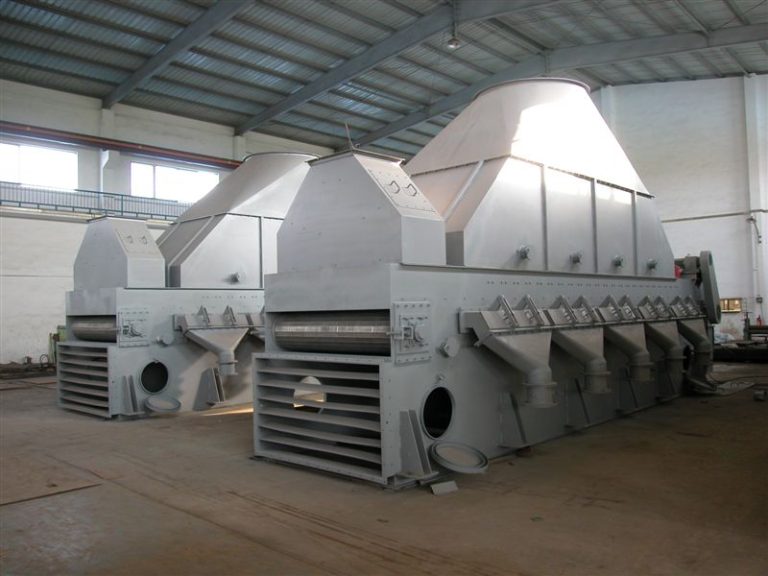
For high-quality, durable, and energy-efficient soybean dehulling machines, look no further than Scikoon Industry Co., Ltd. With their years of experience and commitment to excellence, Scikoon is your trusted partner in soybean processing.
Scikoon Industry Co., Ltd.
Web: www.scikoonindustry.com
Email: info@scikoon.com
