

A Beginner's Guide to Earning Money with Feed Crusher Machine
In today’s competitive agricultural industry, efficiency is key to staying ahead. A feed crusher machine is not just a tool for processing raw materials into animal feed; it is a gateway to new business opportunities. Whether you’re a farmer aiming to reduce feed costs or an entrepreneur exploring profitable ventures, investing in a feed crusher machine can be a game-changer.
Feed crusher machines help break down raw materials like grains, corn, and soybeans into smaller, digestible forms. This process enhances feed quality, promotes better livestock health, and ensures optimal growth. As the demand for high-quality feed continues to rise globally, particularly in sectors like poultry, aquaculture, and dairy farming, the opportunities to earn money with a feed crusher machine are abundant.
This guide takes you through everything you need to know to start making money with a feed crusher machine, from understanding its basics to tackling challenges and avoiding mistakes. Whether you’re new to the industry or looking to expand your business, this article has you covered.
Section 1. The Basic Knowledge of Feed Crusher Machine
A feed crusher machine is essential in the feed processing industry, helping break down raw materials into smaller, manageable pieces for easier mixing and processing. Understanding how these machines work, their different types, and their applications is crucial for anyone looking to enter the feed production business.
1. What is a Feed Crusher Machine?
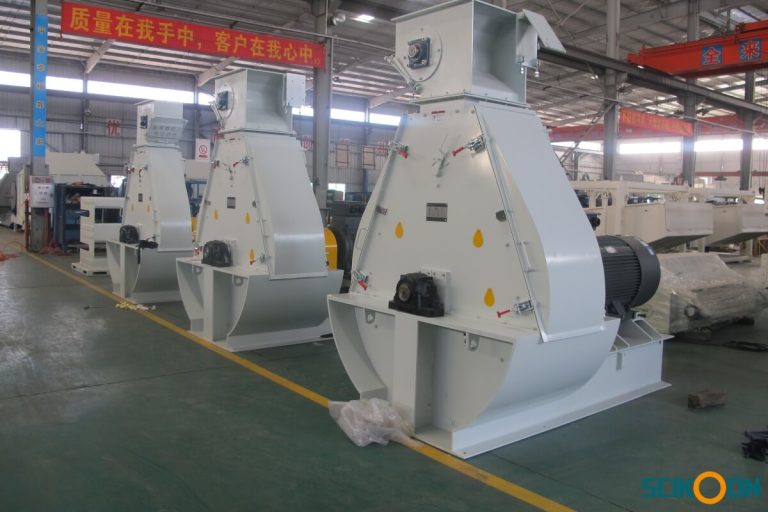
A feed crusher machine is a mechanical device used to reduce large feed ingredients such as grains, corn, soybeans, and other animal feed raw materials into smaller particles. These smaller particles are more easily processed, mixed, or pelleted. The machine uses a combination of hammers, blades, or rollers to break down the materials.
2. Types of Feed Crusher Machines
There are different types of feed crushers based on the mechanism and the materials being processed. Some common types include:
- Hammer Mill: Uses hammers to crush materials into small pieces. This is one of the most common and efficient types for grinding feed.
- Roller Mill: Uses rollers to compress and crush the raw material, making it ideal for grains and other similar materials.
- Disc Mill: Features discs that rotate at high speed to crush materials. It’s often used for finer grinding needs.
- Feed Pulverizer: A machine designed specifically for grinding feed ingredients into fine powder form.
Each type of machine is designed for specific feed processing needs. For example, hammer mills are effective for making powders, while roller mills are more suitable for producing coarser feed.
3. Applications of Feed Crusher Machines
Feed crusher machines are essential in several industries:
- Animal Feed Production: Used in the production of feed for livestock, poultry, and pets.
- Aquaculture: Often used to process fish feed into specific sizes and textures.
- Agriculture: Used to process raw materials for various purposes, such as producing silage or grinding grains for animal consumption.
Understanding the machine’s role in these industries is crucial to identifying profitable business opportunities.
Section 2. Business Opportunities with Feed Crusher Machines
Investing in a feed crusher machine opens up multiple avenues for generating income. Whether you are a small business owner or a large-scale entrepreneur, there are several business opportunities within the feed processing sector.
1. Feed Milling
One of the most common business opportunities is setting up a feed mill. Using feed crusher machines, you can process raw materials into animal feed, which can be sold to local farms, animal breeders, and even pet stores. The demand for high-quality animal feed is continuously growing, especially with the rise of intensive farming practices and large-scale poultry and livestock production.
2. Custom Feed Production
Many farmers and animal breeders require specialized feed based on the type of livestock they have. By offering customized feed production services, you can differentiate your business from competitors. This could involve creating organic feed, medicated feed, or feed for specific breeds or types of animals. A feed crusher machine is essential for creating the consistency and texture required for these specialized feeds.
3. Reprocessing Feed Waste
Feed mills often produce waste materials during the grinding process. However, these by-products can be valuable. A business opportunity lies in reprocessing feed waste into secondary products such as compost, organic fertilizers, or even low-cost animal feed. By reusing these materials, you can generate revenue while minimizing waste and contributing to sustainability efforts.
4. Exporting Processed Feed
With the global demand for animal feed on the rise, there is an opportunity to tap into international markets. Depending on the raw materials available in your region, you can process feed locally and export it to countries with a high demand for animal feed. The export business can bring in substantial profits, especially if you have access to high-quality raw materials and cost-effective production processes.
5. Poultry and Livestock Farms
Large-scale poultry and livestock farms often require continuous supply of quality feed. By entering into partnerships or setting up feed production facilities for these farms, you can secure long-term contracts and build a steady revenue stream. These partnerships can be highly profitable, given the consistent demand for animal feed.
6. Aquaculture Feed Production
Aquaculture is an expanding sector, and fish farming requires specialized feed. Setting up a feed production facility tailored for aquaculture needs offers another lucrative business opportunity. Fish feed must meet specific nutritional requirements, making the feed production process more specialized and profitable.
By capitalizing on these opportunities, you can create a thriving business around feed crusher machines, tapping into growing markets both locally and globally.

Section 3. Identifying Your Target Market
Identifying the right target market is a critical step in ensuring the success of your business with a feed crusher machine. To maximize profits, you need to understand the different segments of the feed industry and identify where your products will have the most impact.
1. Local Farmers
Local farmers, particularly those with large-scale poultry, cattle, or pig farming operations, represent a substantial part of the target market. These farmers are consistently in need of high-quality, affordable animal feed to ensure optimal growth and productivity. Providing feed to these farms can create long-term relationships and repeat business.
2. Livestock Feed Suppliers
Businesses that specialize in supplying animal feed are another key market. These suppliers typically purchase large quantities of processed feed for resale to smaller farms or direct consumers. By focusing on this market, you can generate bulk sales that help scale your business quickly.
3. Pet Food Manufacturers
The pet food industry is growing rapidly, with increasing demand for specialized, high-quality pet food products. Pet food manufacturers often require consistent supplies of ground or processed ingredients, making them a valuable target market for a feed crusher machine business.
4. Aquaculture Producers
With the growing demand for seafood, fish farms are an excellent market for customized fish feed. This sector is particularly lucrative as it requires specialized knowledge of the types of feed used in different stages of fish growth. By offering tailored solutions, you can carve out a niche in the aquaculture market.
5. Agricultural Co-operatives
Co-ops that serve a large number of small-scale farmers can also be a significant source of customers. By supplying feed to these cooperatives, you can reach a larger pool of farmers who need affordable, reliable feed in bulk. Many agricultural co-ops already have distribution channels, making them an ideal market for your products.
6. Export Markets
If you can scale your operations efficiently, exporting feed to international markets offers a tremendous opportunity. Countries with large agricultural sectors that lack sufficient feed production facilities can benefit from importing processed feed. Identifying which markets have a shortage of local feed production and targeting them can create lucrative opportunities.
Understanding these different target markets allows you to focus your marketing efforts, create customized products, and build the right partnerships to succeed.
Section 4. Steps to Start a Business with a Feed Crusher Machine
Starting a business with a feed crusher machine requires careful planning, investment, and strategic thinking. Here are the essential steps to help you get started:
1. Conduct Market Research
Before you invest in a feed crusher machine, conducting thorough market research is essential. Understand the demand for animal feed in your area, the types of feed required, and the competition. Identify your target market and their specific needs to ensure your feed crusher machine investment is aligned with market demands.
2. Choose the Right Feed Crusher Machine
The next step is to select the right feed crusher machine based on the materials you intend to process and your production capacity. Whether you opt for a hammer mill, feed pulverizer, or roller mill, each machine offers unique benefits. Consider the machine’s efficiency, maintenance requirements, and production capabilities. If you’re unsure, consult a reliable supplier for expert guidance.
3. Secure Your Supply Chain
Building strong relationships with reliable suppliers of raw materials is crucial for the consistent supply of quality feed. Look for suppliers who can provide the ingredients required for the feed, such as grains, soybeans, and other additives. Establishing multiple sources ensures that you can avoid supply disruptions.
4. Set Up Your Feed Production Facility
Once you have your feed crusher machine and raw materials, it’s time to set up your production facility. This includes securing a location, arranging for electricity, water, and other utilities, as well as ensuring your facility complies with local regulations. Depending on the scale, you may need additional equipment like a feed mill machine or animal feed milling machine for further processing.
5. Establish a Marketing Strategy
After setting up your facility, the next step is to create a marketing plan. Whether you choose traditional advertising or digital marketing, ensure your efforts target the right audience, such as local farmers, feed distributors, or online buyers. A strong online presence with professional branding can help attract customers.
6. Monitor Operations and Scale
Once your business is running, continuously monitor the efficiency and quality of your production process. Track customer feedback and sales to identify areas for improvement. As demand grows, reinvest profits to upgrade your feed crusher machines and expand production capacity.
Starting a feed crusher machine business requires commitment and effort, but with proper planning, you can build a sustainable and profitable venture.

Section 5. Common Challenges and Solutions
Running a business with a feed crusher machine is highly rewarding, but it comes with its own set of challenges. Identifying these issues early on and adopting practical solutions can save time, money, and stress.
1. High Initial Investment
- Challenge: Acquiring a feed crusher machine and setting up operations require significant upfront costs. Many entrepreneurs hesitate to invest due to budget constraints.
- Solution: Start small by purchasing a cost-effective or second-hand machine. Gradually scale up operations by reinvesting profits into newer and more efficient equipment. Seek financing options, such as small business loans or leasing agreements, to ease the initial financial burden.
2. Maintenance and Downtime
- Challenge: Regular wear and tear can lead to frequent breakdowns, resulting in production downtime and repair costs.
- Solution: Implement a preventive maintenance schedule, ensuring all parts are inspected, cleaned, and lubricated regularly. Train employees to operate the machine correctly and address minor repairs in-house to reduce reliance on external technicians.
3. Intense Market Competition
- Challenge: With many players in the feed production industry, standing out can be difficult. Established brands may dominate the market, leaving new entrants struggling to find their niche.
- Solution: Offer unique services such as custom feed blends, organic feed options, or value-added services like delivery. Build a strong local presence through community partnerships and targeted marketing efforts.
4. Supply Chain Disruptions
- Challenge: Unpredictable raw material shortages or price fluctuations can disrupt feed production schedules and profitability.
- Solution: Establish multiple suppliers for critical raw materials to ensure a steady supply. Maintain a buffer stock of essential ingredients to handle unexpected shortages. Negotiate long-term contracts with suppliers to stabilize costs.
5. Regulatory Compliance
- Challenge: Navigating the complex landscape of feed production regulations can be overwhelming, especially for new businesses. Failing to comply can result in penalties or shutdowns.
- Solution: Stay informed about local and international regulations governing feed quality, safety, and environmental standards. Work with industry experts or consultants to ensure your operations meet compliance requirements.
6. Fluctuating Customer Demand
- Challenge: Seasonal variations in demand or economic downturns can affect sales, leading to surplus production or revenue dips.
- Solution: Diversify your customer base by targeting multiple industries, such as aquaculture, poultry, and pet food. Adjust production schedules during off-peak seasons to reduce waste and operational costs.
7. Lack of Skilled Labor
- Challenge: Operating and maintaining a feed crusher machine requires skilled personnel. Finding and retaining qualified workers can be a challenge.
- Solution: Invest in employee training programs and offer competitive wages to attract skilled labor. Consider partnering with technical schools or vocational training centers to recruit fresh talent.
By proactively addressing these challenges, you can ensure smooth operations and sustained business growth in the feed processing industry.
Section 6. Regular Mistakes to Avoid
Starting and running a business with a feed crusher machine involves numerous decisions. Avoiding common mistakes can save you from unnecessary setbacks and enhance profitability.
1. Ignoring Market Research
- Mistake: Many entrepreneurs dive into the feed processing business without understanding the local demand, competitors, or customer preferences.
- Solution: Conduct thorough market research to identify high-demand products and potential customers. Tailor your offerings to fill gaps in the market or provide unique solutions.
2. Choosing the Wrong Equipment
- Mistake: Selecting a feed crusher machine that doesn’t match your production needs or budget can lead to inefficiencies and financial strain.
- Solution: Assess your production requirements, including the type of feed, processing volume, and desired particle size. Consult reliable suppliers to find the right machine for your needs.
3. Underestimating Operating Costs
- Mistake: Focusing solely on machine costs while ignoring expenses like raw materials, electricity, maintenance, and transportation can create financial difficulties.
- Solution: Develop a detailed budget that includes all potential costs. Monitor expenses regularly and optimize operations to reduce waste and save on energy consumption.
4. Skimping on Maintenance
- Mistake: Neglecting regular maintenance can lead to frequent breakdowns, higher repair costs, and reduced machine lifespan.
- Solution: Schedule routine inspections, replace worn-out parts promptly, and maintain a stock of essential spare parts. Train staff to identify and address minor issues before they escalate.
5. Inadequate Staff Training
- Mistake: Allowing untrained employees to operate the feed crusher machine increases the risk of accidents, inefficiencies, and equipment damage.
- Solution: Provide comprehensive training to all operators, covering machine functionality, safety protocols, and troubleshooting techniques.
6. Overlooking Branding and Marketing
- Mistake: Relying solely on word-of-mouth to attract customers can limit business growth and profitability.
- Solution: Invest in branding, create a professional online presence, and use social media to showcase your products and services. Attend agricultural trade shows and network with potential clients to increase visibility.
7. Failing to Adapt to Changing Trends
- Mistake: Sticking to outdated practices or ignoring emerging trends can make your business less competitive.
- Solution: Stay updated on industry advancements, such as automation or eco-friendly feed production techniques. Regularly evaluate customer feedback and adjust your offerings accordingly.
8. Poor Customer Service
- Mistake: Failing to address customer concerns or deliver on promises can damage your reputation and reduce repeat business.
- Solution: Prioritize customer satisfaction by maintaining transparent communication, meeting delivery deadlines, and offering after-sales support.
By steering clear of these mistakes, you can build a reputable and thriving business with your feed crusher machine.
Section 7. Recommended Supplier of Feed Crusher Machine
Feed crusher machines open up countless opportunities in agriculture and animal husbandry. By understanding the basics, tapping into lucrative markets, addressing challenges, and avoiding pitfalls, you can build a thriving business. Choose Scikoon Industry Co., Ltd. as your trusted partner to ensure your journey to success starts on the right foot.
Scikoon Industry Co., Ltd., a professional manufacturer of feed crusher machines with over 20 years of experience, provides high-quality, efficient, and durable equipment for various applications. Contact them at info@scikoon.com or visit www.scikoonindustry.com for more information.
