

How to Choose the Perfect Seed Processing Machine for Your Agricultural Needs
In agriculture, quality seeds are the foundation of healthy crops and high yields. However, raw seeds often contain impurities, irregular sizes, and high moisture content, all of which can hinder their performance. Seed processing machines provide the solution by cleaning, sorting, drying, and preparing seeds for planting or further processing.
Investing in the right seed processing machine is essential for ensuring productivity, efficiency, and profitability. In this article, we will guide you through the process of choosing the perfect machine for your needs by covering what seed processing machines do, the types available, and critical factors to consider before purchasing.
Section 1: What is a Seed Processing Machine?
A seed processing machine is specialized equipment designed to process raw seeds into high-quality planting materials or storage-ready products. These machines are essential in removing impurities like dirt, dust, and stones, as well as in grading, sorting, and sometimes coating seeds to meet industry standards.
Seed processing equipment is widely used in various agricultural industries, from small farms to large-scale operations. For example, in soybean processing, machines are used to prepare seeds for oil extraction by removing husks, reducing moisture, and ensuring size uniformity.
The benefits of seed processing machines include:
- Enhanced Seed Quality:Ensures uniformity and purity for better crop performance.
- Improved Efficiency:Reduces manual labor and processing time.
- Cost-Effectiveness:Minimizes wastage and increases output.
Section 2: Understanding Your Seed Processing Needs
Before investing in a seed processing machine, it’s crucial to evaluate your specific requirements. Here are some key questions to ask:
1. What types of seeds will you process?
Different seeds, such as wheat, maize, sunflower, and soybeans, require different processing techniques. For instance, soybeans may require dehulling and moisture reduction, while wheat might need cleaning and grading.
2. What is your processing scale?
Are you operating a small farm or a large industrial facility? Knowing your production volume will help determine the capacity of the machine you need.
3. What is the end goal of processing?
If you are preparing seeds for planting, you may prioritize grading and coating. If the seeds are for food production, drying and cleaning might take precedence.
Assessing your needs ensures you choose a machine that aligns with your goals and operational scale.
Section 3: Different Types of Seed Processing Machines
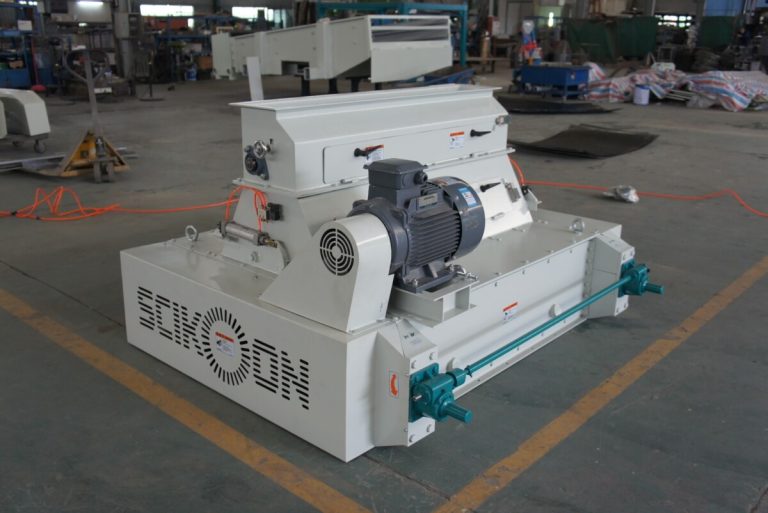
Seed processing involves multiple steps, each requiring specialized machinery. Below are the primary types of seed processing machines, explained in detail:
1. Seed Cleaners
These machines remove impurities such as dust, stones, leaves, and broken seeds. They use a combination of sieves and air separation to ensure only clean, high-quality seeds remain.
2. Gravity Separators
Gravity separators are designed to sort seeds based on weight. This is particularly important for removing immature or damaged seeds, which may affect crop yields.
3. Seed Graders
Seed graders categorize seeds by size and shape. This step is vital for achieving uniform planting and ensuring consistent germination rates.
4. Seed Coating Machines
Coating machines apply protective layers, such as pesticides or nutrients, to seeds. This enhances their resistance to pests and diseases while improving soil interaction.
5. Dehullers
Dehullers are used to remove seed husks or shells. These machines are particularly important for processing oilseeds like soybeans and sunflowers.
6. Seed Dryers
Dryers reduce moisture content in seeds, making them safe for storage or further processing. They use controlled heat to avoid damaging the seeds.
Each machine serves a specific purpose, and understanding their functions will help you build a comprehensive processing system.
Section 4: Things to Consider Before Buying a Seed Processing Machine
Purchasing a seed processing machine is a significant investment. To make the right choice, consider the following factors:
1. Quality and Durability
Look for machines made from high-quality materials that can withstand continuous operation. Certifications like ISO and CE indicate reliability.
2. Capacity
Ensure the machine can handle your current processing volume and accommodate future growth. Machines with adjustable settings offer greater flexibility.
3. Automation
Automated seed processing machines reduce manual labor and improve operational efficiency. Consider whether you need semi-automated or fully automated equipment.
4. Compatibility
Some machines are designed for specific seed types. Verify that the equipment you choose can handle the seeds you process regularly.
5. Energy Efficiency
Energy-efficient machines not only reduce operational costs but also contribute to sustainability.
6. After-Sales Support
Choose a supplier that offers robust after-sales services, including maintenance, spare parts, and technical support.

Section 5: How To Choose the Right Seed Processing Machines?
Choosing the right feed processing machine for your business is a critical decision that can significantly impact your production efficiency, product quality, and profitability. Below are detailed steps and considerations to guide you through the selection process.
1. Assess Your Feed Production Goals
Before diving into the technical aspects, it’s important to understand your business’s goals. Are you focusing on producing feed for specific animals like poultry, cattle, or fish? Or are you aiming to cater to a broad spectrum of livestock? These goals will determine the type of machine and features you need.
Considerations:
- The scale of production: small-scale, medium, or industrial-level operations.
- Target feed types: pelletized, powdered, or mixed feeds.
- Product diversity: Do you need to process multiple feed types with one machine?
2. Understand the Composition of Your Feed Ingredients
Different machines are designed to handle various feed materials, such as grains, oilseeds, or additives. For example, a feed roller mill is ideal for crushing grains, while a feed hammer mill is better suited for grinding materials into fine particles.
Tips:
- List the primary ingredients you plan to process.
- Ensure the machine is compatible with both soft and hard materials if your feed requires a mix.
- Check for machines with adjustable settings to accommodate varying ingredient sizes.
3. Evaluate Machine Efficiency and Performance
The efficiency of a feed processing machine affects production output and operating costs. Look for machines with high throughput rates and minimal waste. Energy efficiency is another key factor, as it can significantly reduce your operational expenses.
Questions to Ask:
- What is the machine’s capacity per hour?
- Does it have features to minimize ingredient wastage?
- Is it energy-efficient and environmentally friendly?
4. Prioritize Durability and Build Quality
A feed processing machine is a long-term investment, so it must withstand the demands of daily operation. Machines built with high-quality materials and robust designs are more reliable and have lower maintenance requirements.
Considerations:
- Stainless steel components for resistance to corrosion.
- Heavy-duty construction to handle continuous use.
- Warranty coverage for key components like motors and blades.
5. Check for Customization and Versatility
Feed processing needs can evolve over time, so having a machine that offers customization and versatility is a big advantage. Some machines come with modular designs, allowing you to add or upgrade features as your business grows.
Look For:
- Machines with multiple functions, such as mixing, grinding, and pelleting.
- Adjustable settings to accommodate different feed formulations.
- Expandable designs for future upgrades.
6. Evaluate Automation Levels
The level of automation in a feed processing machine determines its ease of use and labor requirements. Fully automated machines reduce the need for manual intervention, but semi-automated models might be more affordable for small businesses.
Questions to Consider:
- Do you have skilled operators available, or will automation be necessary?
- Does the machine include user-friendly control panels?
- Can the automation system integrate with other equipment in your production line?
7. Consider Maintenance and Spare Parts Availability
A machine that is easy to maintain will save you time and costs in the long run. Availability of spare parts and technical support is equally important to avoid prolonged downtime.
Checklist:
- Are spare parts readily available?
- Is the machine designed for easy cleaning and maintenance?
- Does the manufacturer provide technical support or maintenance services?
8. Verify Compliance with Industry Standards
Machines that meet industry and safety standards are less likely to encounter regulatory issues and ensure safe operation.
Check for Certifications:
- ISO certifications for quality assurance.
- CE certification for safety and reliability.
- Compliance with environmental standards to reduce energy consumption and emissions.
9. Get Feedback from Existing Users
Customer reviews and case studies from other businesses can provide valuable insights into a machine’s real-world performance.
Questions to Ask Users:
- Are they satisfied with the machine’s performance and reliability?
- What challenges did they face during installation or operation?
- Would they recommend the manufacturer or supplier?
10. Compare Multiple Suppliers
The right supplier can make a big difference in the quality of your machine and the support you receive after purchase. Choose a reputable manufacturer with a proven track record in feed processing equipment.
Factors to Compare:
- Product range and customization options.
- After-sales support, including training and spare parts supply.
- Price transparency and delivery timelines.
By following these steps and taking a systematic approach, you can ensure that you select a feed processing machine that meets your current needs while accommodating future growth.

Section 6: Common Mistakes to Avoid
Purchasing a seed processing machine is a significant investment, and making the wrong choice can lead to operational inefficiencies and financial losses. Below are detailed insights into common mistakes buyers often make and tips on how to avoid them.
1. Focusing Solely on Price
While it’s natural to want a cost-effective solution, prioritizing price over quality can be detrimental in the long run. Machines with lower price tags may lack durability, efficiency, or critical features. Cheaper models might require frequent repairs, resulting in higher maintenance costs over time.
How to Avoid:
Focus on the overall value of the machine. Consider factors like performance, lifespan, energy efficiency, and after-sales support in addition to the initial cost.
2. Neglecting Proper Capacity Planning
Underestimating or overestimating your production needs can lead to issues. A machine with insufficient capacity may cause bottlenecks, while an oversized machine could waste energy and increase operational costs.
How to Avoid:
Carefully evaluate your current and future production requirements. Consider seasonal demand fluctuations and potential business expansion to choose a machine that aligns with your needs.
3. Overlooking Seed-Specific Requirements
Not all seed processing machines are versatile enough to handle different types of seeds. For example, a machine designed for soybean processing may not perform well with smaller seeds like mustard or sesame.
How to Avoid:
Identify the seed types you will process most frequently and ensure the machine is designed to handle them effectively. Request demonstrations or performance tests when possible.
4. Ignoring Energy Efficiency
High energy consumption can increase operational costs significantly. Machines that are not energy-efficient may appear affordable initially but can become a financial burden over time.
How to Avoid:
Look for energy-efficient models with certifications indicating compliance with environmental standards. Calculate the total cost of ownership, including energy expenses, to make an informed decision.
5. Disregarding After-Sales Support and Warranty
A lack of reliable after-sales service can result in prolonged downtime if the machine encounters issues. Similarly, insufficient warranty coverage could leave you unprotected against defects.
How to Avoid:
Partner with suppliers offering comprehensive warranties and robust after-sales support, including maintenance, spare parts availability, and technical assistance.
6. Skipping Research on the Manufacturer
Choosing a supplier without verifying their credibility can lead to problems, such as receiving low-quality machines or inadequate support. Some manufacturers may lack the experience needed to provide reliable products.
How to Avoid:
Research the supplier’s reputation, certifications, and customer reviews. Choose an experienced and trusted manufacturer like Scikoon Industry Co., Ltd., which has over 20 years of expertise in seed processing machinery.
7. Failing to Consider Automation Levels
Manual or semi-automated machines may require more labor and time, while fully automated machines can enhance efficiency but come with higher upfront costs. Selecting the wrong level of automation for your business can lead to inefficiencies.
How to Avoid:
Assess your labor resources, production goals, and budget. Opt for automation levels that balance operational efficiency with affordability.
8. Not Evaluating Machine Versatility
A machine that performs only one or two functions may limit your processing capabilities. This is especially problematic if you plan to expand operations or process multiple seed types.
How to Avoid:
Choose versatile machines capable of handling various processes, such as cleaning, grading, drying, and dehulling. Machines with modular features or customizable settings offer greater flexibility.
9. Inadequate Training for Operators
Even the best machines require skilled operators to function effectively. Lack of training can lead to operational errors, reduced efficiency, and even machine damage.
How to Avoid:
Ensure your staff receives proper training from the supplier or manufacturer. Many reputable companies, like Scikoon Industry Co., Ltd., offer training sessions as part of their after-sales support.
10. Overlooking Space and Installation Requirements
Some buyers fail to account for the space needed to install and operate the machine efficiently. This oversight can lead to cramped layouts and operational inefficiencies.
How to Avoid:
Measure your available space and verify the machine’s dimensions, including any additional room needed for maintenance and operation. Plan the layout of your processing facility accordingly.
By avoiding these mistakes, you can ensure a smoother purchasing process and maximize the value of your investment in a seed processing machine.
Section 7: Recommended Supplier of Seed Processing Machines
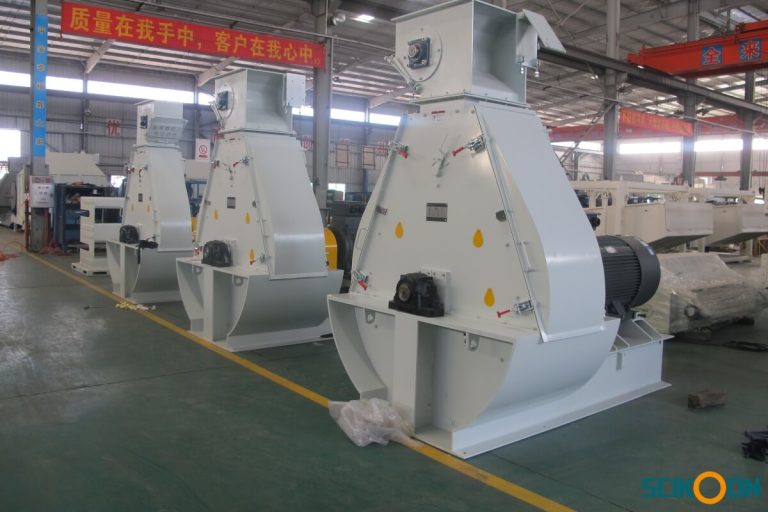
Choosing the right seed processing machine is a critical step in ensuring efficient operations and high-quality results. By understanding your needs, exploring different machine types, and avoiding common mistakes, you can make an informed decision. Partnering with a reliable supplier like Scikoon Industry Co., Ltd. ensures you receive top-notch equipment and unparalleled support for your agricultural success.
For high-quality, reliable seed processing machines, Scikoon Industry Co., Ltd. is the trusted name in the industry. With over 20 years of experience, Scikoon offers a wide range of machines, including seed cleaners, dehullers, and dryers.
Our machines are ISO 9001:2015 and CE certified, ensuring top-notch quality and performance. We provide exceptional after-sales support, competitive pricing, and energy-efficient solutions to meet your agricultural needs.
Visit us at www.scikoonindustry.com or email us at info@scikoon.com to learn more about our products and services.
