

How to Choose the Right Maize Hammer Mill for Your Plant?
Choosing the right maize hammer mill is crucial for any plant involved in maize processing. A high-quality maize hammer mill ensures efficient grinding, better productivity, and consistent results, making it a vital investment for businesses in the food and feed industry. This article will guide you through everything you need to know about selecting the best maize hammer mill for your production plant.
Section 1: Basic Knowledge of Maize Hammer Mill
1. Definition and Function:
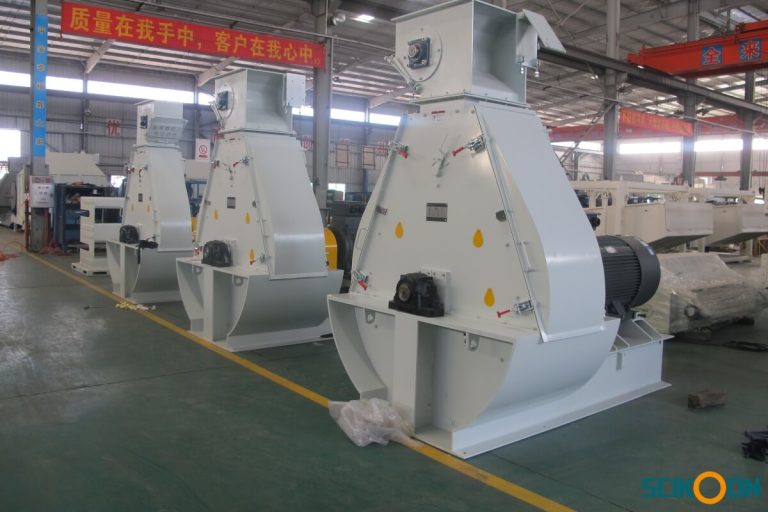
A maize hammer mill is a machine designed to crush and grind maize into smaller particles or flour using a series of rotating hammers. These hammers strike the maize kernels, breaking them down against a perforated screen until the desired particle size is achieved.
2. Applications:
Maize hammer mills are commonly used in:
– Animal feed production: Producing maize meal and coarse feeds.
– Food processing: Making fine maize flour for human consumption.
– Industrial applications: Grinding maize for biofuel and other products.
3. Key Components:
Key components of a maize hammer mill include hammers, a grinding chamber, a rotor, and a screen. The machine’s efficiency is determined by the speed of the rotor and the quality of the hammers and screen.
Section 2: Understanding Your Production Needs
1. Processing Capacity:
Determine the quantity of maize you need to process daily or hourly to match your business goals and operational scale.
2. Final Product Requirement:
Identify whether you need fine flour, coarse meal, or animal feed to ensure the chosen hammer mill can achieve the desired output quality.
3. Space Availability:
Consider the physical space available in your plant for installation and operational ease.
4. Power Supply:
Choose between electric, diesel, or PTO-driven models based on your power supply availability and operational requirements.
5. Growth Considerations:
Plan for future expansion by choosing a machine that can handle increased production volumes if needed.
6. Operational Efficiency:
Consider the energy consumption and the expected output ratio to maximize profitability.
7. Quality Standards:
Ensure the hammer mill complies with industry standards and certifications for safety and efficiency.
8. Raw Material Type:
Different raw materials may require specific hammer mill configurations, so ensure the machine is compatible with your maize variety.
9. Budget Constraints:
Identify your budget range and balance it with quality and operational needs.
Section 3: Different Types of Maize Hammer Mills
1. Small-Scale Maize Hammer Mills:
These are compact models designed for small farms and startups. They are cost-effective and easy to operate but may have lower output capacity.
2. Medium-Capacity Hammer Mills:
These models are ideal for growing businesses requiring moderate maize processing volumes with higher efficiency.
3. Industrial Maize Hammer Mills:
Designed for large-scale maize processing plants, industrial hammer mills offer high capacity, automation, and efficiency for bulk processing.
4. Other Variations:
– Corn Hammer Mill: Specifically designed for corn grinding but suitable for maize processing as well.
– Maize Grinding Hammer Mill: Optimized for producing fine maize flour.
– Maize Roller Mill: Uses a rolling mechanism instead of hammers, producing a coarser output suitable for specific applications.
Section 4: Key Factors to Consider When Buying a Maize Hammer Mill
1. Capacity:
Ensure the machine can meet your daily production targets without compromising efficiency.
2. Efficiency:
Look for models designed to minimize energy consumption while maximizing output.
3. Durability:
Check the quality of the materials used in the hammers and screens, as these components directly impact the machine’s lifespan.
4. Price:
Compare the maize hammer mill price across different models and suppliers while considering long-term operational costs.
5. Spare Parts Availability:
Ensure replacement parts like screens and hammers are easy to source and affordable.
6. Ease of Maintenance:
A user-friendly design with minimal maintenance requirements can save time and operational downtime.
7. Noise and Dust Levels:
Verify if the machine operates with minimal noise and has dust control features to ensure a safer working environment.
8. Flexibility:
Choose a machine capable of processing other grains if needed for operational versatility.
9. Compliance with Safety Standards:
Ensure the machine meets local and international safety regulations for safer operation.
10. Vendor Reputation:
Work with reputable suppliers known for high-quality products and services.

Section 5: How to Choose the Right Maize Hammer Mill?
1. Assess Production Needs:
Before making any decision, it’s crucial to clearly define your production requirements. Start by evaluating the scale of your operation, including your daily processing capacity and the quality of the output you need. Consider whether you need a machine that can process small batches for artisanal production or a larger unit for continuous, high-volume operations. Understanding your specific goals, such as throughput capacity, desired particle size, and consistency in the final product, will guide you in selecting the right maize hammer mill that aligns with your business objectives and production needs. A clear understanding of your requirements helps ensure you don’t overpay for features you don’t need, nor undersize a machine that won’t meet your demands.
2. Research Machine Types:
Maize hammer mills come in various models, each designed to meet specific operational scales. Whether you are running a small farm or managing an industrial processing plant, it’s important to familiarize yourself with the different types available. Small-scale machines are ideal for home-based or low-output operations, whereas medium-capacity models are perfect for mid-sized businesses. On the other hand, industrial-grade hammer mills are designed for large-scale production and can handle high volumes of maize processing. Knowing the distinctions between these models will ensure you choose a machine that fits your production capacity, workflow, and the overall scale of your business.
3. Set a Budget:
Establishing a clear and realistic budget is crucial when purchasing a maize hammer mill. While it’s tempting to focus solely on the initial purchase cost, it’s important to consider long-term operational expenses. These include energy consumption, spare parts, regular maintenance, and potential upgrades over time. A higher upfront investment may offer better long-term efficiency and lower operational costs, so factor in both the short-term price and long-term savings when making your decision. Additionally, don’t forget to account for installation, transportation, and potential training costs that may arise with new equipment.
4. Test the Machine:
Whenever possible, request a demonstration or trial run before committing to a purchase. Testing the machine in real-world conditions will give you a better understanding of its performance and help you assess whether it meets your production needs. Pay attention to aspects such as its grinding speed, consistency in output, noise levels, and ease of operation. Testing also allows you to assess its ability to process maize effectively while meeting your desired specifications. If a demo is not available, request feedback from existing users or conduct a thorough review of online testimonials and case studies to gauge performance.
5. Evaluate the Supplier:
Selecting the right supplier is just as important as choosing the right machine. Look for a supplier with a proven track record of delivering high-quality products, excellent customer service, and comprehensive after-sales support. A reliable supplier should be able to provide detailed information about the machine, offer customization options if necessary, and respond to your inquiries promptly. Additionally, review the supplier’s warranty and service commitments. A reputable supplier will stand behind their products, offering the necessary support throughout the machine’s lifecycle.
6. Compare Features:
When selecting a maize hammer mill, consider the additional features that can enhance the overall performance and flexibility of your operations. Some models come with variable speed control, allowing for fine-tuned adjustments based on the type of maize or desired particle size. Machines that are designed for easy maintenance with quick access to parts can significantly reduce downtime and make upkeep more manageable. Additionally, some advanced models are equipped to handle multiple types of grains, providing operational versatility. Compare different models to see which features will best improve your efficiency and reduce operational costs.
7. Consult with Industry Experts:
Don’t hesitate to consult with industry professionals or experienced operators who have hands-on experience with maize hammer mills. They can offer valuable insights into the pros and cons of different machines, help you avoid common pitfalls, and recommend models that have proven reliable in various production environments. Seeking expert guidance will help you make an informed decision and ensure you select a machine that meets the demands of your business, while also offering the best value for your investment.
8. Ensure Warranty Coverage:
A strong warranty can provide peace of mind when making a significant investment in a maize hammer mill. Review the warranty terms carefully, including its duration and the specific components covered. It’s important to ensure that key parts, such as the motor, hammers, and bearings, are included in the warranty. A solid warranty not only protects your investment but also ensures that the supplier will stand by their product in the event of a malfunction or defect. Understanding the terms of the warranty will help you avoid unexpected repair costs and ensure that your machine is covered for an adequate period.
9. Request Technical Support:
Technical support is essential for the smooth operation of your maize hammer mill, especially during the initial setup and troubleshooting stages. Before purchasing, confirm whether the supplier offers ongoing technical assistance, operator training, and after-sales services. An experienced supplier should provide user manuals, videos, and support to help you fully understand the machine’s operation and maintenance requirements. Additionally, inquire about the availability of phone or online technical support in case of any issues that may arise after installation. This will help ensure a seamless experience and reduce the risk of production delays.
10. Long-Term Maintenance Planning:
Consider the long-term maintenance needs of the maize hammer mill to keep it running efficiently over time. Evaluate the ease of obtaining spare parts, such as hammers, screens, and other critical components, and ensure that the supplier provides access to these parts when needed. A machine that requires infrequent and straightforward maintenance can save both time and money in the long run. It’s also important to develop a routine maintenance plan to ensure that the machine operates at peak efficiency, minimizing unexpected breakdowns and prolonging its lifespan. Regular servicing and care will help protect your investment and avoid costly repairs down the road.

Section 6: Common Mistakes to Avoid When Choosing a Maize Hammer Mill
1. Focusing Only on Price:
While it’s tempting to prioritize the cheapest option, focusing solely on price can lead to long-term problems that may end up costing more in the future. The initial savings on a low-cost maize hammer mill might seem appealing, but these machines are often built with lower-quality components, which can lead to frequent breakdowns, higher maintenance costs, and shorter lifespans. Over time, the cost of repairs, replacement parts, and lost productivity due to machine failures can far outweigh the initial savings. It’s crucial to strike a balance between cost and quality by investing in a machine that offers good value, long-term reliability, and durability, even if it requires a higher upfront investment. Look at the machine’s total cost of ownership, including operational costs like energy consumption, maintenance, and potential downtime, rather than just the initial purchase price.
2. Ignoring Maintenance Needs:
Neglecting to consider the maintenance requirements of a maize hammer mill can result in significant disruptions to your operations. Some machines may require frequent servicing, which could include regular cleaning, lubrication, and part replacements. Machines with complex designs or hard-to-find parts can increase downtime and maintenance costs. Before purchasing, it’s important to assess how easy it is to maintain the machine and whether spare parts are readily available. A machine that requires minimal maintenance and has easily accessible, affordable parts will save you time and money in the long run. Additionally, understanding the expected maintenance schedule can help you better plan your operations and avoid unexpected production delays caused by breakdowns.
3. Overlooking Capacity Requirements:
Choosing a maize hammer mill that doesn’t meet your production needs is a common mistake. Purchasing an undersized machine may seem cost-effective initially, but it can limit your ability to meet demand, leading to slower processing speeds, potential bottlenecks, and reduced overall productivity. On the other hand, selecting a machine that is too large for your current needs can result in unnecessary energy consumption and higher operational costs. It’s important to have a clear understanding of your current and future production capacity requirements. Consider both your immediate needs and how your production goals may evolve over time. Investing in a machine with the right capacity will optimize your workflow and prevent you from incurring unnecessary operating expenses.
4. Neglecting After-Sales Support:
After-sales support is an essential consideration that many businesses overlook when purchasing a maize hammer mill. A reliable supplier should provide robust after-sales services, including technical assistance, training, and timely delivery of spare parts. Lack of after-sales support can lead to prolonged machine downtime in case of malfunctions or repairs, which can have a significant impact on your operations and profitability. It’s important to choose a supplier with a reputation for offering comprehensive customer service and who is easily reachable in case you encounter any issues with the machine. Consider the availability of support options such as online assistance, phone support, and field technicians who can assist with any technical difficulties. Having strong after-sales support can help minimize disruptions and keep your production running smoothly.
5. Failure to Plan for Growth:
When choosing a maize hammer mill, it’s important to think about the future growth of your business. Purchasing a machine that meets your current production needs may be sufficient in the short term, but as your business expands, you may find that the machine can no longer handle the increased volume. Failing to account for future growth can result in the need for costly upgrades or even a full replacement sooner than expected. It’s essential to select a machine that can accommodate higher production capacities or can be upgraded as your output requirements increase. This will ensure that your investment remains viable as your business scales and that you won’t have to invest in a new machine prematurely. Choosing equipment that allows for expansion, such as modular or scalable systems, can provide long-term cost savings and efficiency.

Section 7: Recommended Supplier of Maize Hammer Mill
When it comes to purchasing a reliable maize hammer mill, Scikoon Industry Co., Ltd. stands out as a top choice. With over 20 years of expertise in manufacturing maize hammer mills, Scikoon offers high-quality, durable, and efficient machines tailored to meet various production requirements. Their machines are designed for optimal performance, energy efficiency, and minimal maintenance needs.
To explore Scikoon’s maize hammer mill options or inquire about pricing, visit their website at www.scikoonindustry.com or contact them directly at info@scikoon.com.
