

Troubleshooting Grain Crusher Machines: Key Issues and Solutions
Grain crusher machines play a vital role in various industries, including agriculture, food processing, animal feed production, and even in brewing and distilling. These machines are designed to crush, crack, flake, or grind different grains like wheat, corn, barley, and rice into more manageable pieces, flour, or grits. As a crucial part of any production process, grain crushers help maximize output, improve quality, and streamline production lines.
However, even the best machines can face operational issues. If not addressed promptly, these problems can lead to downtime, production delays, and, in some cases, damage to the equipment. This article will explore some of the most common problems that arise during the use of grain crusher machines and offer practical solutions to keep these machines running smoothly. We will also look at daily maintenance tips and ways to optimize performance.
Section 1: A Brief Introduction of Grain Crusher Machine
Grain crusher machines are essential for efficiently breaking down large quantities of grain into smaller, usable sizes. These machines can be used in a variety of industries, including milling, animal feed production, and food processing. The primary goal of a grain crusher is to convert raw grain into a more digestible form or to prepare it for further processing such as grinding, flaking, or mixing with other ingredients.
There are several different types of grain crushers, each designed to handle specific tasks. Here’s a breakdown of the most common types:
1. Grain Hammer Mill:
This is one of the most versatile and widely used grain crushers. It utilizes high-speed rotating hammers to impact the grain, breaking it down into smaller particles. Hammer mills are suitable for a variety of grains and are used in many sectors, including feed production and flour milling. They offer excellent flexibility and can process grains to a fine or coarse texture depending on the screen size used.
2. Grain Roller Mill:
A grain roller mill uses two or more heavy rollers to crush grains between them. This method is gentler than hammer mills and is often preferred for grains that need to be flaked or cracked rather than pulverized. It’s commonly used in the production of flaked grains for cereals or animal feed.
3. Grain Flaker Machine:
A grain flaker machine is designed to produce flattened grains, or flakes, from whole grains like oats or barley. This type of crusher is used when you need a smoother texture for animal feed or cereal products. It is ideal for creating the signature flakes seen in breakfast cereals.
4. Grain Pulverizer:
Grain pulverizers are machines that crush grains into a fine powder. This process is typically used to produce flour or other finely milled products. Pulverizers are particularly useful in food processing industries or where fine, uniform grain particles are needed.
5. Grain Cracking Machine:
These are machines specifically designed to crack grains, breaking them into two or more pieces without grinding them into flour. They are typically used in the production of animal feed or for processing grains like corn or wheat into smaller sizes suitable for livestock consumption.
Each type of grain crusher has its specific advantages and is selected based on the end product required. Regardless of the type, regular maintenance and proper use are essential for keeping these machines operating efficiently.

Section 2: Common Problems During the Use of Grain Crusher Machine
While grain crusher machines are incredibly robust, they can still experience a variety of issues due to wear and tear, improper use, or lack of maintenance. Identifying and solving these problems quickly can prevent unnecessary downtime and keep your production process smooth. Below are some of the most common problems encountered with grain crushers.
1. Overheating
Overheating is one of the most common issues with grain crushers, particularly if they are running for extended periods or are not properly ventilated.
- Cause: Overheating typically occurs when the machine is under strain, overloaded, or has insufficient ventilation. A malfunctioning cooling system can also contribute to overheating.
- Signs: You may notice that the machine’s motor or bearings get excessively hot, or the system shuts down suddenly as a protective measure. Prolonged overheating can also result in equipment failure or burnouts.
2. Clogging or Jamming
Clogging occurs when the machine’s internal components, such as the feed system or crushing chamber, get blocked, preventing the proper flow of material.
- Cause: Clogging is often caused by wet or damp grain, foreign objects, or the build-up of residue inside the machine.
- Signs: The grain crusher may stop working altogether or produce inconsistent output. In some cases, you may notice unusual sounds indicating that the machine is struggling to process the material.
3. Uneven Output Size
If the machine is not properly calibrated or if its components are worn out, the grain output may not meet your specifications.
- Cause: Worn or damaged components such as hammers, rollers, or screens can result in inconsistent particle sizes.
- Signs: The grain will be crushed into unevenly sized pieces, which may affect the quality of the final product. This is particularly problematic if you need a consistent grain size for specific processes like milling or mixing.
4. Excessive Vibration or Noise
Vibration and noise are typical indicators that something is wrong with the internal components of the grain crusher.
- Cause: Unbalanced parts, loose bolts or fasteners, worn-out bearings, or internal components like the rotor or hammers can cause excessive vibration or noise.
- Signs: A loud noise during operation or excessive shaking could signal internal damage or misalignment.
5. Power Loss or Motor Failure
Power loss or motor failure can occur due to electrical issues or excessive strain placed on the machine.
- Cause: Issues such as damaged wiring, faulty fuses, or an overloaded motor can lead to power failure.
- Signs: The machine may fail to start, stop suddenly, or run intermittently. In more severe cases, the motor might burn out entirely.
6. Dust and Debris Build-Up
The grain crushing process generates a significant amount of dust and fine particles, which can accumulate inside the machine and affect its operation.
- Cause: A lack of proper dust collection systems or poor ventilation can cause dust to build up.
- Signs: You may notice a dusty environment, restricted airflow, or a decrease in the machine’s efficiency due to blocked air passages.
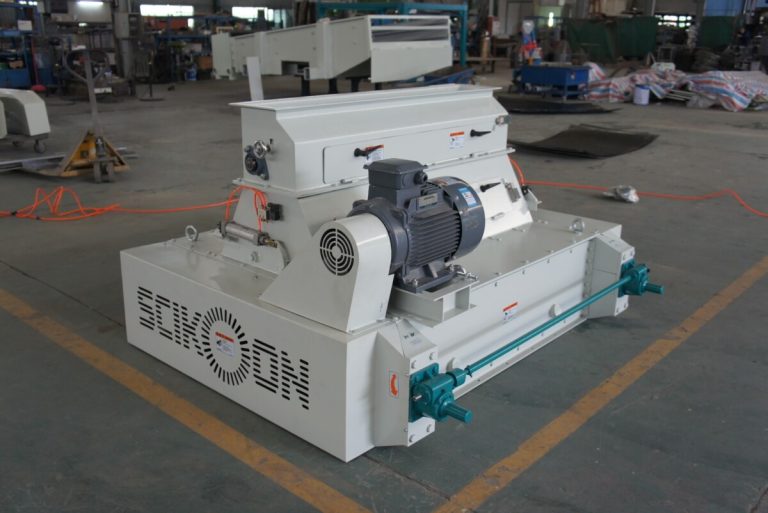
Section 3: Solutions to the Problems of Grain Crusher Machine
Now that we’ve identified the common problems faced by grain crusher machines, let’s dive deeper into practical and effective solutions to each of these issues. Proactive problem-solving can keep your machine running smoothly and extend its lifespan.
1. Solution to Overheating
Overheating can lead to significant damage to your grain crusher, particularly to the motor and bearings. To prevent overheating:
- Ensure Adequate Ventilation: Good airflow is crucial for keeping the machine cool. If your crusher is in a confined space, consider installing exhaust fans or ensuring there’s enough space around the machine for air circulation.
- Use the Machine Within its Rated Capacity: Overloading the machine is a frequent cause of overheating. Always follow the manufacturer’s guidelines on load limits. Running the machine at full capacity for long periods can cause the motor to overheat.
- Monitor the Motor Temperature: Some grain crushers come with built-in temperature sensors or warning lights that signal if the motor is running too hot. Regularly check these indicators during use.
- Install a Cooling System: If your grain crusher operates continuously in high-demand environments, adding a dedicated cooling system, such as a water-cooled jacket around the motor, can help maintain stable temperatures and prevent overheating.
2. Solution to Clogging or Jamming
Clogging and jamming can halt production and lead to costly downtime. Here’s how to prevent and address these issues:
- Inspect and Clean the Feed System: Before starting the machine, check for any leftover debris or blockages in the feed system. Grain crushers that process wet or moist grains are especially prone to clogging, so ensure that the grain is sufficiently dry before loading.
- Use Screen Filters to Prevent Larger Debris: Some grain crushers are equipped with screens or filters that prevent larger foreign objects from entering the crushing chamber. Check the screens regularly for any holes or buildup and clean them.
- Add a Pre-Feeding Device: For operations that process large quantities of grains, consider installing a pre-feeding system or auger to help regulate the flow of grain into the crusher. This can prevent sudden surges that might lead to jamming.
- Clear Clogs Immediately: If the machine jams during operation, turn it off immediately and clear the blockage. Letting the machine run while clogged can cause damage to both the machine and the grains being processed.
3. Solution to Uneven Output Size
Uneven output size can compromise the quality of the final product. To maintain uniform particle size:
- Adjust the Crushing Settings: Grain crushers often come with adjustable settings for grain size. Ensure the settings are calibrated to match the grain being processed. For instance, if you’re processing corn, you may need a coarser setting compared to wheat, which requires a finer crush.
- Regularly Replace Worn Components: Key parts like screens, hammers, and rollers gradually wear out over time. If these components are worn or damaged, they can cause irregular crushing. Regularly inspect and replace worn parts to maintain consistent output size.
- Test and Fine-Tune the Output: Perform periodic tests to check the consistency of the output. If the output is uneven, adjust the machine settings or replace any worn-out parts that might be affecting the process.
- Use a Grading System Post-Crushing: After the grain is processed, implement a grading system or sieving process to ensure that the final product meets the required size specifications. This can be especially useful when producing animal feed or flour.
4. Solution to Excessive Vibration or Noise
Excessive vibration and noise usually indicate an issue with internal components. To resolve this:
- Check for Loose Parts: Loose bolts, screws, or fasteners can cause the machine to vibrate excessively. Inspect all components, particularly around the motor and rotating parts, and tighten any loose parts.
- Balance Rotating Parts: If the rotor or hammers are unbalanced, they will cause vibrations during operation. To correct this, you should balance the rotor or rotating parts by distributing the weight evenly. If necessary, replace any damaged components like bent hammers or rollers.
- Replace Worn Bearings and Bushings: Bearings and bushings that are worn out or damaged can lead to misalignment and vibrations. Regularly inspect them for signs of wear and replace them promptly to keep the machine running smoothly.
- Lubricate Regularly: Lack of lubrication can cause internal parts to rub against each other, resulting in increased friction, noise, and vibrations. Regularly lubricate moving parts according to the manufacturer’s recommendations to reduce wear and improve smooth operation.
5. Solution to Power Loss or Motor Failure
Power loss or motor failure can occur due to electrical faults or excessive load on the system. To minimize power issues:
- Check Electrical Connections: Inspect all electrical wiring for damage or loose connections. A poor electrical connection can lead to power fluctuations or interruptions. Ensure that the machine is properly grounded to prevent power loss.
- Ensure Proper Motor Load: Avoid overloading the machine. Each grain crusher is designed for a specific capacity. Running the machine beyond its capacity can cause the motor to overheat or shut down. Monitor the motor load regularly and operate the machine within the recommended range.
- Replace Faulty Fuses and Circuit Breakers: If the machine frequently loses power, inspect the fuses or circuit breakers. A blown fuse or tripped circuit breaker may be the cause. Replacing or resetting these electrical components will help restore power to the machine.
- Consider a Backup Power Source: In regions prone to power outages, installing a backup generator or uninterruptible power supply (UPS) system can prevent downtime and ensure that your grain crusher continues to operate smoothly.
6. Solution to Dust and Debris Build-Up
Dust and debris can negatively impact the machine’s performance and lead to maintenance issues. Here’s how to manage dust buildup:
- Install a Dust Collection System: If your grain crusher doesn’t have a built-in dust collection system, consider adding one. A cyclone dust separator or bagging system can capture the fine dust generated during crushing and prevent it from clogging the machine or affecting performance.
- Clean Regularly: Dust and fine particles accumulate quickly, especially if the machine operates in a high-volume environment. Make it a habit to clean the machine after each use. Pay close attention to the motor and cooling fans to prevent dust from obstructing airflow.
- Ensure Proper Ventilation: In areas where dust is prevalent, ensure that there is adequate ventilation. Proper airflow helps prevent the buildup of dust inside the machine, which can affect the motor and moving parts.
- Use Proper PPE: If dust becomes an issue, it’s important to use personal protective equipment (PPE), such as face masks, goggles, and gloves, to protect workers from inhaling harmful particles.
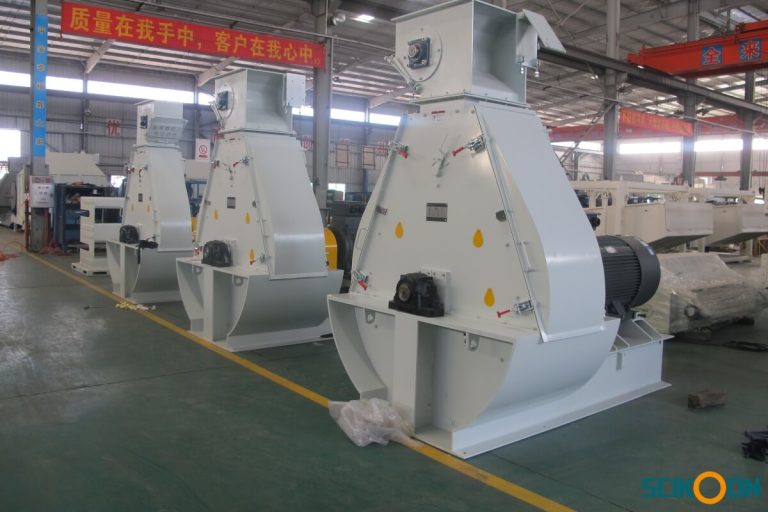
Section 4: Daily Maintenance Tips for Grain Crusher Machine
Proper maintenance is essential to keep your grain crusher running efficiently and prevent costly repairs. Here are some daily maintenance tips that will help ensure the long-term performance of your machine:
1. Clean the Machine Regularly
After every operation, remove any grain residues, dust, or debris from the machine. This prevents clogging and buildup of particles that could affect performance. Cleaning the machine also helps to maintain hygiene, especially when processing food-grade grains.
2. Inspect Moving Parts
Check the moving parts, including the hammer, rollers, and bearings, for signs of wear. Worn-out components should be replaced immediately to avoid performance issues such as uneven crushing or excessive vibration.
3. Lubricate Components
Proper lubrication reduces friction and wear on critical components, such as bearings and gears. Ensure that all moving parts are adequately lubricated according to the manufacturer’s guidelines.
4. Monitor for Unusual Noises or Vibrations
Pay attention to any abnormal sounds or vibrations during operation. These could be signs of a misaligned or unbalanced component. Addressing these issues early can prevent further damage.
5. Check the Electrical System
Inspect the power connections, wiring, and fuses regularly. Ensure there are no exposed wires, and replace any faulty connections immediately. A well-maintained electrical system ensures a reliable power supply for smooth operation.
Section 6: How to Optimize Performance of Grain Crusher Machines
Optimizing the performance of your grain crusher machine involves a combination of regular maintenance, proper operation, and adjustments that increase efficiency while minimizing wear and tear. Here are some practical strategies to get the most out of your grain crusher machine:
1. Regular Calibration and Fine-Tuning
To keep your grain crusher operating at its highest efficiency, you must perform regular calibration. Grain crushers are designed with adjustable settings for grain size and crushing intensity. Over time, these settings can drift, which affects the machine’s output.
- Adjust Roller or Screen Gap: For grain mills like hammer mills or roller mills, adjusting the gap between the rollers or hammers ensures that grains are crushed to the desired size. Set the gap to match the type of grain you’re processing and periodically check the gap to maintain uniformity.
- Fine-Tune the Speed: If your machine allows speed adjustments, fine-tuning the speed of the motor can help optimize performance. Slower speeds can provide a more consistent grind, while higher speeds might be more suitable for tougher grains or larger batches.
2. Optimize Grain Preparation
Proper grain preparation is crucial for optimal machine performance. Unprocessed or poorly prepared grains can lead to increased wear on the crusher, inconsistent output, or clogging.
- Ensure Proper Moisture Content: Grains that are too wet can cause the machine to clog or overheat. Before processing, check that the grain is dry and free of moisture. Most grain crushers perform best when working with dry grains.
- Pre-Screen the Grain: Foreign objects, such as rocks or debris, can cause damage to the crusher. Use a screening device before feeding the grain into the machine to remove any unwanted particles. This will help prevent damage to the crusher and maintain the quality of the output.
3. Use High-Quality Components
Using high-quality parts is one of the most effective ways to optimize the performance of your grain crusher. Cheap or poorly made components wear out faster, reducing efficiency and increasing downtime.
- Replace Worn Parts Promptly: Regularly inspect the crusher for worn-out parts such as hammers, screens, or rollers. Replace these parts at the first sign of damage to prevent further performance degradation.
- Use High-Quality Bearings and Motors: The quality of bearings and the motor is crucial for the smooth operation of the grain crusher. Investing in higher-grade bearings and motors can significantly improve performance and longevity.
4. Manage Production Cycles
Efficiency can be further improved by optimizing the production cycles. In some cases, running the machine continuously without breaks can lead to overheating and premature wear. Instead:
- Plan Operational Cycles: Schedule regular breaks for the machine to cool down. Continuous use without rest can cause overheating and unnecessary wear on components like bearings and motors.
- Monitor Machine Load: Avoid running the machine at full capacity all the time. Instead, monitor the load and run the machine in cycles, keeping the load within the recommended limits.
5. Regular Maintenance and Cleaning
Routine maintenance is key to optimizing your grain crusher’s performance. Machines that are regularly cleaned and well-maintained perform better and last longer.
- Lubricate Moving Parts: Regularly lubricate the machine’s moving parts to reduce friction and prevent wear. This includes the bearings, gears, and other moving components. Follow the manufacturer’s recommendations on lubrication schedules and types of lubricants to use.
- Clean After Every Use: After each use, clean the crusher thoroughly to remove any grain residues, dust, or other debris. This helps to prevent clogging and ensures that the machine runs smoothly.

Section 7: Recommended Supplier of Grain Crusher Machine
Grain crusher machines are vital tools for processing grains in a variety of industries, but they can face issues such as overheating, clogging, uneven output, and more. By understanding these common problems and implementing effective solutions and maintenance practices, you can keep your equipment running smoothly. Regular inspections, proper loading, and using the right grain are key to optimizing performance and avoiding downtime.
For reliable, high-quality grain crusher machines and exceptional service, Scikoon Industry Co., Ltd. is the trusted supplier to turn to. Whether you are looking for a grain crushing machine for your business or need expert support, they are ready to assist with your grain processing needs.
If you’re looking for a dependable grain crusher machine for sale, or if you need assistance with your existing equipment, Scikoon Industry Co., Ltd. is your go-to partner for reliable solutions.
Scikoon Industry Co., Ltd.
Web: www.scikoonindustry.com
Email: info@scikoon.com
