

Troubleshooting Guide: Solving Common Issues in Wheat Crusher Machines
Wheat crusher machines are essential equipment in the agricultural and food industries, playing a crucial role in processing wheat grains for flour production and animal feed. With over 20 years of experience, Scikoon Industry Co., Ltd. is dedicated to providing high-quality wheat crusher machines to improve production efficiency and reduce operational disruptions. However, like any machinery, wheat crushers are prone to certain issues that can affect their performance. In this article, we will discuss common problems encountered during the use of wheat crusher machines, how to troubleshoot them, and provide useful maintenance tips to keep your machine running smoothly.
Section 1: Basic Knowledge of Wheat Crusher Machines
A wheat crusher machine is a specialized device designed to break down wheat grains into smaller particles or flour. It operates by using mechanical force to crush the wheat kernels, making them easier to process for various applications, such as flour production, animal feed, and other wheat-based products.
There are several types of wheat crushers available, including:
1. Wheat Roller Machines:
These machines use cylindrical rollers to crush wheat grains, often producing flour or meal with specific texture requirements.
2. Wheat Hammer Mills:
These machines employ hammers to crush wheat into fine powder or meal, making them suitable for animal feed production.
3. Wheat Pulverizer Machines:
Similar to hammer mills, these machines are designed to finely grind wheat for use in flour production or as a raw ingredient in various food products.
4. Wheat Grinder Machines:
These machines utilize grinding wheels or discs to break down wheat grains into fine powder, often used in small-scale flour mills or bakeries.
Wheat crusher machines are integral to the wheat processing machinery industry and play a significant role in increasing processing efficiency.
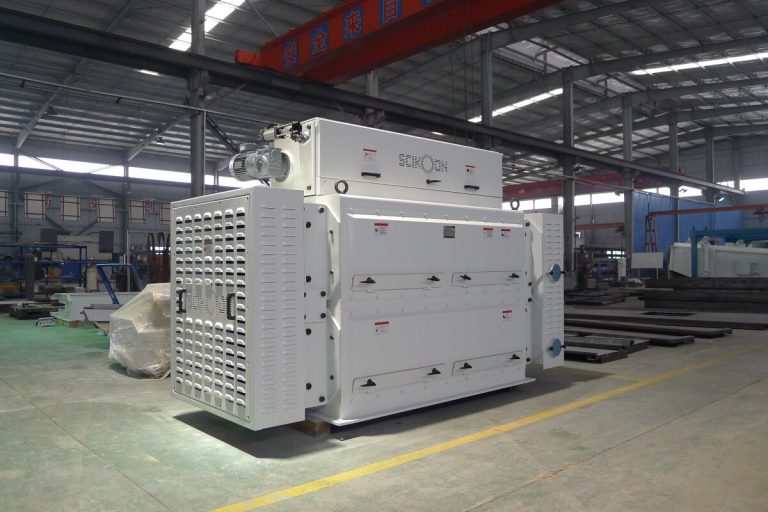
Section 2: Common Problems and Troubleshooting of Wheat Crusher Machine
Wheat crusher machines are vital for wheat processing, but like any mechanical equipment, they are susceptible to operational problems. Recognizing these issues early and applying proper troubleshooting techniques will help you maintain high efficiency and reduce downtime. Below are some common problems and their troubleshooting methods.
1. Clogging of the Crushing Chamber
- Cause: This issue is often caused by excess moisture in the wheat, which makes the grains stick together, or by overloading the machine with too much wheat at once. Excessive dust accumulation in the crushing chamber can also obstruct the flow of material.
- Effect: Clogging leads to reduced crushing efficiency, inconsistent output, and potential damage to the internal components of the machine.
- Troubleshooting:
- Dry the Wheat Properly: Before processing, ensure that the wheat is adequately dried, particularly if the moisture level exceeds 13-14%. High moisture levels can cause the wheat to stick together and clog the machine.
- Regular Cleaning: Clean the crushing chamber thoroughly after each batch to remove any buildup of material, dust, or residue. Use brushes or compressed air to clear out any stubborn particles that could obstruct the machine.
- Adjust the Feed Rate: Feed the wheat slowly and in small batches, allowing the machine to handle the load effectively without overwhelming it.
2. Uneven Crushing or Inconsistent Output Size
- Cause: This problem arises when the internal components like rollers, hammers, or grinding surfaces are worn out. If the machine isn’t calibrated properly or if the settings are incorrect, the output will be inconsistent.
- Effect: The product may be of poor quality, with uneven particle sizes that are unsuitable for flour production or animal feed.
- Troubleshooting:
- Check for Worn Parts: Inspect the rollers, hammers, and grinding surfaces regularly for wear and tear. Replace any worn parts immediately to maintain consistent performance.
- Adjust the Gap Between Rollers: For roller-type wheat crushers, adjust the gap between the rollers according to the desired size of the output. A wider gap will produce larger particles, while a narrower gap results in finer flour or meal.
- Proper Calibration: Make sure that the machine is properly calibrated to produce the desired output size. This can involve adjusting the speed of the rollers, hammers, or other grinding mechanisms to match the specific requirements of the wheat being processed.
3. Excessive Noise and Vibration
- Cause: Excessive noise and vibration are often signs of mechanical issues such as misaligned components, imbalance in the rotating parts, or loose bolts and fasteners.
- Effect: These issues not only make the machine difficult to work with but can also cause serious damage to the internal components over time.
- Troubleshooting:
- Check for Loose Bolts: Inspect the entire machine, including the frame and moving parts, for loose bolts or screws. Tighten any components that are not secure.
- Balance the Rotating Parts: If the rollers or hammers are out of balance, they can cause vibration during operation. Perform a thorough check of the rotating parts and re-balance them if necessary.
- Ensure Proper Installation: The wheat crusher machine should be installed on a solid, level surface. If the machine is installed unevenly, it can cause vibrations during operation. Use leveling tools to ensure the machine is perfectly aligned.
4. Overheating of the Motor
- Cause: Overheating occurs when the motor is running continuously without breaks or when the machine is overloaded. Poor ventilation and blocked air intake can also contribute to increased temperatures.
- Effect: Overheating can cause the motor to fail prematurely, leading to costly repairs or replacement. It can also disrupt the workflow, leading to significant downtime.
- Troubleshooting:
- Provide Adequate Ventilation: Ensure that the motor has sufficient airflow to keep cool during operation. Install cooling fans or ventilation systems around the motor if necessary.
- Monitor Load Levels: Avoid overloading the machine by feeding it at a steady rate. If the machine is running continuously for long periods, ensure that it has breaks to cool down.
- Check for Blocked Vents or Filters: Make sure that air vents and filters are not blocked. Clean these areas regularly to allow for proper airflow.
5. Electrical Failures
- Cause: Electrical problems such as power surges, faulty wiring, or issues with the motor’s electrical components can lead to unexpected shutdowns or malfunctioning of the machine.
- Effect: Sudden electrical failures can cause the machine to stop operating, interrupting production and possibly damaging other electrical components.
- Troubleshooting:
- Inspect Wiring: Check all wiring for loose connections, fraying, or signs of wear. Replace damaged wires to prevent short circuits.
- Use Surge Protectors: Install surge protection devices to safeguard the machine against power surges that can cause electrical damage.
- Check Power Supply: Ensure that the power supply is stable and meets the voltage requirements of the machine. Use voltage regulators if necessary to stabilize the power input.
6. Excessive Dust Generation
- Cause: Dust is a common byproduct of crushing wheat, but if the dust is not controlled, it can cause safety hazards, reduce machine efficiency, and pollute the surrounding environment.
- Effect: Excessive dust can affect air quality, increase fire risks, and damage the machine’s internal components.
- Troubleshooting:
- Install Dust Extraction Systems: Use dust extraction or collection systems to capture the dust before it spreads into the environment.
- Check Seals and Gaskets: Inspect seals around the machine’s housing and replace any that are worn out. Damaged seals can allow dust to escape, increasing contamination and cleaning requirements.
- Regular Maintenance and Cleaning: Periodically clean the machine’s dust collection system and other internal components to prevent dust buildup and maintain proper airflow.
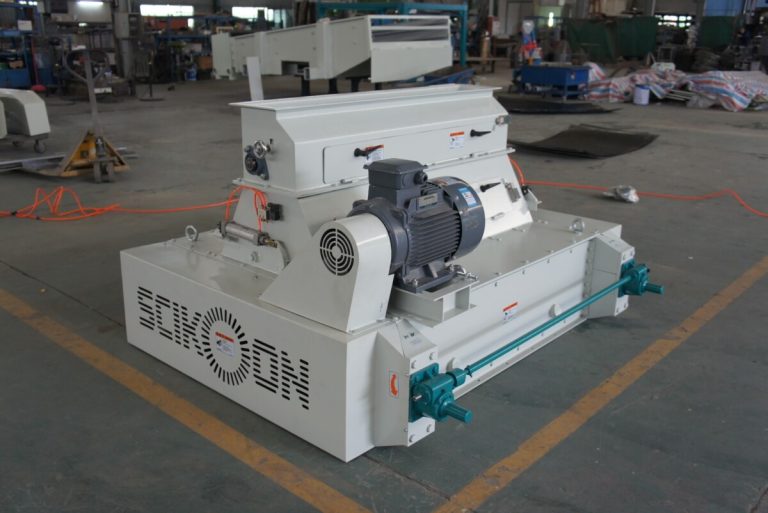
Section 3: Maintenance Tips of Wheat Crusher Machine
Proper maintenance is the key to extending the life of your wheat crusher machine, maintaining its performance, and avoiding costly repairs. The following maintenance tips will ensure that your machine operates efficiently and reliably:
1. Daily Cleaning
- Why It’s Important: The accumulation of wheat residue, flour, or dust can clog up the machine, reduce efficiency, and lead to long-term wear. Cleaning the machine after each use is crucial.
- How to Do It: Use brushes, compressed air, or vacuum cleaners to remove any leftover wheat particles, flour, or dust. Make sure to clean the crushing chamber, roller shafts, and other areas that come into contact with wheat.
2. Regular Lubrication
- Why It’s Important: Moving parts, especially rollers, bearings, and hammers, need to be lubricated to reduce friction and prevent premature wear.
- How to Do It: Apply high-quality lubricant to the machine’s moving parts as per the manufacturer’s recommendations. Ensure that the lubrication system is functioning properly and check the oil levels regularly.
3. Monitor Wear and Tear
- Why It’s Important: Over time, components like rollers, hammers, and grinding surfaces will wear out, affecting the machine’s performance and product quality.
- How to Do It: Regularly inspect the machine for signs of wear. Pay close attention to components that are subject to heavy use, such as the crushing surfaces and screens. Replace worn parts promptly to avoid further damage.
4. Check Alignment and Balance
- Why It’s Important: Misaligned or imbalanced parts can cause excessive vibrations, noise, and mechanical stress, potentially damaging the machine.
- How to Do It: Check the alignment of the rollers, hammers, and other rotating parts. Ensure that all parts are properly balanced and adjust them if necessary.
5. Inspect the Motor and Electrical Components
- Why It’s Important: Electrical components are essential for the smooth operation of the wheat crusher machine. Regular inspection ensures that the motor and wiring are in good condition, reducing the risk of electrical failure.
- How to Do It: Periodically inspect the motor and wiring for any signs of damage, wear, or loose connections. Replace any damaged parts immediately.
6. Check and Replace Filters
- Why It’s Important: Dust and dirt can clog up filters, reducing airflow and causing overheating or mechanical failure.
- How to Do It: Clean or replace filters regularly to ensure proper ventilation and airflow around the motor and other components.

Section 4: How to Optimize the Performance of Wheat Crusher Machine?
Optimizing the performance of your wheat crusher machine is essential for maximizing output, improving efficiency, and reducing downtime. Here are several strategies to ensure the best performance:
1. Adjust the Feed Rate
- Why It’s Important: Feeding the wheat at the correct rate ensures that the machine operates within its capacity and prevents clogging or overloading.
- How to Do It: Monitor the machine’s output and adjust the feed rate accordingly. Too much wheat at once can lead to a bottleneck, while feeding too slowly can reduce productivity.
2. Choose High-Quality Wheat
- Why It’s Important: The quality of the raw wheat directly affects the performance of the crusher machine. Poor-quality wheat, such as wet or contaminated grains, can cause clogging, uneven crushing, and increased wear on the machine.
- How to Do It: Always choose clean, dry wheat for processing. If possible, inspect the wheat for moisture content, impurities, or contaminants before using it in the crusher.
3. Fine-Tune the Crushing Settings
- Why It’s Important: The crusher machine settings, such as the gap between the rollers, speed of the hammers, and grinding pressure, need to be adjusted to produce the desired output size and quality.
- How to Do It: Consult the machine’s manual for guidance on how to adjust the settings for different types of wheat or desired product consistency. Experiment with small adjustments to find the optimal settings.
4. Monitor Temperature and Vibration
- Why It’s Important: Overheating and excessive vibration can reduce the machine’s lifespan and lead to mechanical failure.
- How to Do It: Regularly check the machine’s temperature and vibration levels during operation. Use monitoring equipment to track these metrics and make adjustments as necessary to prevent overheating or mechanical strain.
5. Invest in Upgrades
- Why It’s Important: Over time, technological advancements can improve the efficiency and performance of wheat crusher machines.
- How to Do It: Consider upgrading certain components, such as the motor, bearings, or crusher surfaces, to improve overall performance. Stay updated on new technologies that may enhance the machine’s productivity.

Section 5: Recommended Supplier of Wheat Crusher Machine
Wheat crusher machines are indispensable tools in the wheat processing industry, but like any machinery, they require proper maintenance and timely troubleshooting to avoid common problems. By following the tips provided in this guide, you can ensure that your wheat crusher operates at peak performance and delivers optimal results.
For businesses seeking reliable and high-quality wheat crusher machines, Scikoon Industry Co., Ltd. is a trusted supplier with over 20 years of experience in manufacturing wheat crushing machines. We provide a range of advanced wheat crusher machines designed to meet diverse industry needs, whether for flour mills, animal feed production, or other agricultural applications.
Visit www.scikoonindustry.com for more information, or contact us at info@scikoon.com to discuss how we can help optimize your wheat processing operations.
