

Troubleshooting Your Soybean Dehuller Machine: Common Problems and Solutions
In today’s competitive soybean processing industry, maintaining the efficiency of your equipment is crucial for maximizing production output and minimizing downtime. One of the key machines in the soybean processing line is the soybean dehuller machine. This equipment plays a vital role in removing the outer hulls or skins of soybeans, improving the quality of the final products such as oil, meal, and flour. However, like all machinery, soybean dehullers are not immune to operational problems.
In this article, we will explore the basic functions of soybean dehuller machines, the common issues you may encounter, and provide practical solutions to address them. We’ll also discuss maintenance tips to keep your machine in top condition and how to optimize its performance for better results. Lastly, we will introduce Scikoon Industry Co., Ltd. as a reliable manufacturer of high-quality soybean dehuller machines.
Section 1: Basic Knowledge of Soybean Dehuller Machine
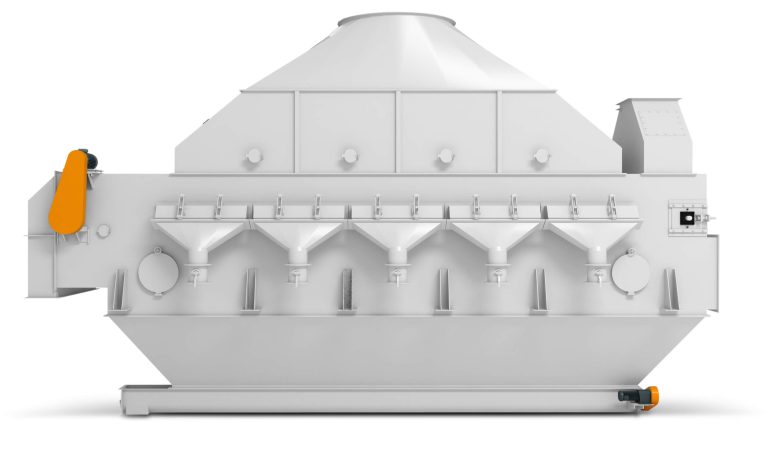
Before diving into troubleshooting, it’s important to understand how a soybean dehuller machine works. A soybean dehuller, also known as a soybean peeling machine, is designed to remove the outer skin of soybeans, a process called “dehulling.” This is an essential step in soybean processing as it enhances the digestibility and quality of the beans, making them suitable for further processing into products like soybean oil, meal, or flour.
How It Works
The dehulling process involves feeding raw soybeans into the machine, where they are subjected to mechanical action such as abrasion or friction. The soybean sheller machine effectively separates the hull from the inner kernel. The hulls are then removed, typically using air separation or sieves. The soybean peeler machine or soybean skin removing machine ensures that only the clean, dehulled soybeans are left for further processing.
These machines come in various models, depending on the size of the processing plant, and they may be equipped with additional features like automatic feeding systems, adjustable pressure settings, and high-efficiency air separation systems.
Section 2: Common Problems with Soybean Dehuller Machines and Solutions
Despite their efficiency, soybean dehuller machines can encounter several common problems during operation. Let’s take a closer look at some of these issues and how to solve them.
1. Poor Dehulling Efficiency
Problem: If the dehuller is not efficiently removing the soybean hulls, you might find that the outer skins are still present after processing, affecting the quality of the end product.
Possible Causes:
- Incorrect settings on the soybean dehulling machine.
- Low-quality soybeans or inconsistent soybean size.
- Insufficient moisture content in the soybeans.
Solution:
- Adjust the settings of the machine, especially the roller gap and pressure. Fine-tuning these settings based on the soybean variety can improve dehulling efficiency.
- Ensure the soybeans are of uniform size and are free of impurities before processing.
- If necessary, pre-condition the soybeans by slightly moistening them to soften the hulls, making them easier to remove.
2. Excessive Wear and Tear on Components
Problem: Over time, parts such as rollers, screens, and sieves can wear out, leading to decreased efficiency and even machine failure.
Possible Causes:
- Lack of regular maintenance.
- Operating the machine at high speeds for extended periods.
- Overloading the machine.
Solution:
- Implement a regular maintenance schedule that includes cleaning, lubrication, and inspection of key components such as the rollers and sieves.
- Avoid running the machine at excessive speeds or overloading it, as this accelerates wear and tear.
- Replace worn-out parts promptly to prevent further damage.
3. Clogging and Blockages
Problem: Clogging in the machine can prevent soybeans from moving smoothly through the system, causing delays and potential damage to the equipment.
Possible Causes:
- Dust buildup and debris accumulation.
- Improper feeding of soybeans into the machine.
- Broken or misaligned parts.
Solution:
- Regularly clean the machine to remove any dust or hull buildup, especially in the feed hopper and air separation system.
- Ensure soybeans are fed evenly into the machine to avoid bottlenecks.
- Inspect the machine for broken or misaligned parts and correct any issues immediately.
4. Overheating
Problem: Overheating can damage the motor or drive system of the soybean dehuller and lead to costly repairs.
Possible Causes:
- Continuous operation at high speeds without adequate cooling.
- Poor ventilation.
Solution:
- Provide regular breaks during long operations to allow the machine to cool down.
- Ensure the machine is well-ventilated and that the cooling system is functioning properly.
- Monitor the operating temperature regularly to prevent overheating.
5. Incomplete Dehulling
Problem: Sometimes, the dehulling process is incomplete, leaving soybeans with residual hulls or broken kernels.
Possible Causes:
- Improper pressure settings.
- Low-quality soybeans with tough, dry hulls.
Solution:
- Adjust the pressure and roller settings to ensure a thorough dehulling process.
- Use fresh, high-quality soybeans, and if needed, moisten them slightly to improve dehulling efficiency.
Section 3: Maintenance Tips of Soybean Dehuller Machine
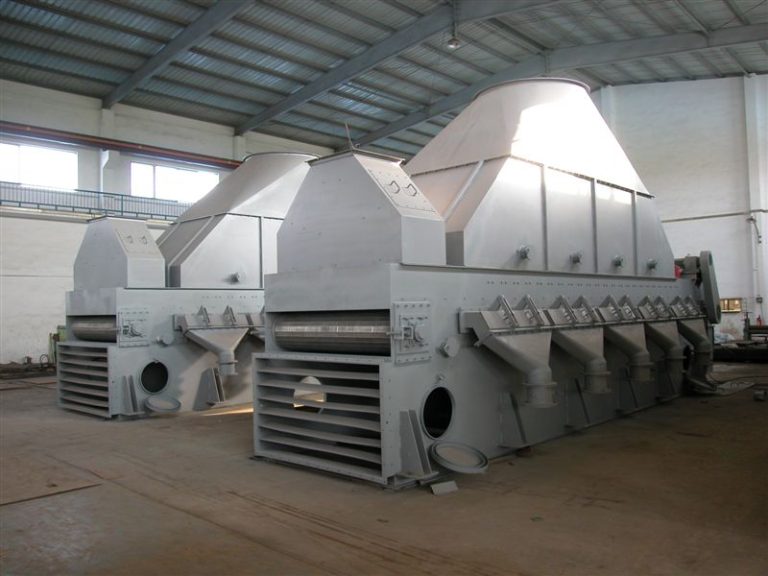
Regular maintenance is crucial for the longevity and efficiency of your soybean dehuller machine. Preventing problems before they occur and keeping the machine in top condition will help you avoid costly repairs, reduce downtime, and increase production efficiency. Below are detailed maintenance tips to ensure your dehuller machine continues to operate at its peak.
1. Regular Cleaning
Cleaning the machine is one of the most important tasks for maintaining its performance. Dust, hulls, and debris can accumulate in various parts of the soybean sheller machine, affecting its efficiency and causing blockages.
- Cleaning the Feed Hopper: Make sure the feed hopper, where soybeans enter the machine, is cleaned regularly to remove any leftover residue or foreign particles. These can affect the smooth flow of soybeans and cause clogging.
- Cleaning the Rollers: The rollers are crucial in the dehulling process. Residual hulls can stick to the rollers over time, reducing their efficiency. Clean the rollers to prevent buildup, which could affect the pressure needed for effective dehulling.
- Cleaning the Air Separation System: Most soybean peeling machinesare equipped with an air separation system to remove hulls. Regularly clean the air ducts and the collection system to ensure it operates effectively.
- Use Non-Abrasive Materials: When cleaning, avoid using abrasive materials or harsh chemicals that could damage delicate components like the screens or rollers. Soft brushes or air blowers are often sufficient.
2. Lubrication
Proper lubrication ensures that moving parts operate smoothly and reduces friction, preventing wear and tear. Parts that should be lubricated regularly include the drive shaft, roller bearings, and motors.
- Lubricate According to Manufacturer’s Guidelines: Follow the manufacturer’s instructions for the type and frequency of lubrication. Using the correct lubricant ensures the longevity of components and keeps the machine running smoothly.
- Check Oil Levels: For machines with oil-lubricated components, regularly check the oil levels and replace the oil when necessary. Dirty or low oil can cause friction and overheating, leading to premature wear on parts.
- Avoid Over-Lubricating: While lubrication is essential, too much oil can attract dust and dirt, leading to further buildup and potential clogs.
3. Inspect Key Components
Routine inspection of critical machine components is essential to ensure that everything is working as it should. The most common issues in soybean dehullers arise from worn-out or damaged parts, which can lead to inefficiency or failure.
- Rollers: Inspect rollers for wear and tear. Over time, the rollers may become misaligned or develop grooves, affecting the evenness of the dehulling process. If rollers are damaged, replace them immediately.
- Screens: The screens or sieves help separate the hull from the inner kernel. Regularly inspect the screens for tears, cracks, or excessive wear. Damaged screens will reduce dehulling efficiency and might need to be replaced.
- Motor and Drive System: Ensure the motor and drive system are functioning smoothly. Check for any unusual noises or vibrations, which could indicate a problem with bearings or other moving parts.
4. Monitor Operating Conditions
Monitoring the operating conditions of the machine is vital for spotting issues early and ensuring the equipment runs efficiently.
- Operating Temperature: Keep an eye on the operating temperature of the machine. Overheating can lead to damage, especially in the motor and drive components. If the machine is running too hot, check for issues such as clogged air vents or insufficient cooling.
- Speed Settings: Running the machine at the correct speed is critical. Over-speeding or running the machine too slowly can result in poor dehulling or unnecessary wear. Ensure that the machine’s settings align with the soybean type and desired output.
5. Perform Routine Checks
Routine checks should be part of your standard operating procedures. These checks can help prevent issues before they cause significant downtime.
- Alignment of Parts: Ensure that all moving parts are aligned properly. Misaligned rollers or feed systems can cause uneven dehulling and increase wear.
- Tightening Loose Parts: Vibration during operation can loosen bolts and screws over time. Tighten any loose parts to prevent them from becoming detached and causing further damage.
- Check for Leaks: Leaks in the air or oil systems can affect the machine’s performance. Inspect the machine regularly to identify and repair any leaks.
Section 4: How to Optimize the Performance of Soybean Dehuller Machine
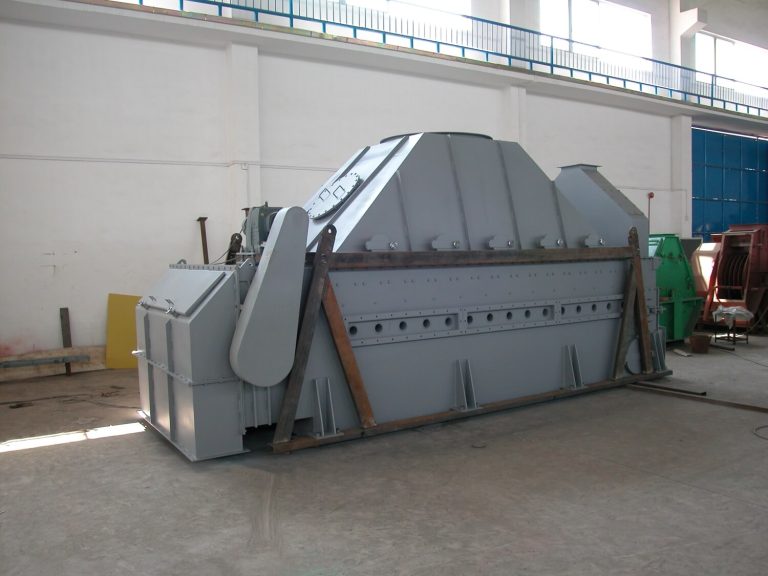
Maximizing the efficiency of your soybean dehuller machine is not just about fixing problems when they occur—it’s about optimizing performance to ensure you get the best possible results. Here are some effective strategies to help you optimize your machine’s performance and improve productivity.
1. Use High-Quality Soybeans
The quality of the soybeans you process has a significant impact on the performance of your dehuller machine. Low-quality soybeans, with irregular sizes or poor quality hulls, can cause problems like incomplete dehulling or excessive wear on the machine.
- Uniform Size: Ensure the soybeans are uniform in size. Soybeans that vary in size can lead to uneven dehulling, as the machine may not apply consistent pressure to all beans.
- Pre-Sort Soybeans: Sort the beans to remove damaged or discolored ones before they enter the machine. This reduces the risk of clogging and improves the dehulling process.
- Moisture Control: Soybeans that are too dry or too moist can cause problems in the dehulling process. If soybeans are too dry, the hull may be too brittle and difficult to separate. If they are too moist, the machine may struggle to remove the hulls effectively. Pre-conditioning soybeans by slightly moistening them can improve dehulling efficiency.
2. Adjust Machine Settings
Optimizing the settings of your soybean dehulling machine can dramatically improve its performance. The following parameters should be regularly adjusted to match the soybean characteristics and desired output.
- Roller Gap: The gap between the rollers plays a key role in the dehulling process. Too narrow a gap will lead to excessive pressure and broken kernels, while too wide a gap will result in incomplete dehulling. Adjust the gap to match the soybean size and hardness.
- Pressure Settings: Some soybean sheller machinesallow you to adjust the pressure at which soybeans are processed. Fine-tune the pressure based on the soybean variety. Softer varieties require less pressure, while tougher ones might need more.
- Feeding Speed: Adjust the feeding speed to avoid overloading the machine. Consistent and uniform feeding of soybeans will ensure that the machine processes them evenly, reducing the risk of clogging and inefficient dehulling.
3. Control the Feeding Speed
Feeding soybeans into the machine at the correct speed is essential for maintaining optimal performance. Too fast a feeding speed can cause blockages, while too slow can reduce productivity.
- Uniform Feeding: Ensure that soybeans are fed evenly and consistently into the machine. Use a mechanical or automated feeding system to regulate the speed and ensure smooth operation.
- Avoid Overloading: Overloading the machine with too many soybeans at once can lead to inefficiency and excessive wear. Ensure that the flow rate aligns with the machine’s capacity.
4. Pre-Condition Soybeans
Before feeding soybeans into the dehuller, pre-conditioning can enhance the dehulling process. This involves adjusting the moisture content to soften the hulls and make them easier to remove.
- Moisturize Soybeans: Slightly moistening the soybeans helps soften the hulls without affecting the inner kernel. This can improve dehulling efficiency and reduce wear on the machine.
- Sort Soybeans by Size: Sorting soybeans by size before processing ensures that the dehuller operates more efficiently. Uniformly sized soybeans are easier to process and result in more consistent dehulling.
5. Upgrade to Modern Equipment
If your current machine is outdated, consider upgrading to newer models of soybean dehuller machines. Modern machines often feature advanced technology that improves performance, reduces energy consumption, and enhances productivity.
- Advanced Air Separation Systems: Newer machines come with more efficient air separation systems, which help remove hulls more effectively and reduce energy consumption.
- Energy Efficiency: Modern machines are designed to be more energy-efficient, helping to reduce operational costs in the long run.
- Automation Features: Newer models often come with automation features that optimize the feeding process, adjust settings based on the material being processed, and provide real-time monitoring for better control.

Section 5: Recommended Supplier of Soybean Dehuller Machine
In conclusion, maintaining and optimizing your soybean dehuller machine is essential for ensuring smooth operation and maximizing productivity. By understanding common problems and their solutions, performing regular maintenance, and following best practices, you can keep your machine running at its best.
If you’re looking for a soybean dehuller machine manufacturer that offers high-quality, durable, and efficient machines, look no further than Scikoon Industry Co., Ltd. With over 20 years of experience in the industry, Scikoon has established itself as a reliable supplier of soybean dehuller machines, soybean sheller machines, and other soybean processing equipment. Our machines are designed to meet the highest standards of quality and performance, ensuring maximum output and minimal downtime.
For more information on our products, including the soybean dehuller machine price and available models, please visit our website at www.scikoonindustry.com or contact us at info@scikoon.com.
