

Corn Cracking Machine vs. Corn Flaking Machine, Which One is Right for Your Plant?
Corn processing is at the heart of many agricultural businesses, supporting both food production and animal feed industries. If you’re considering starting or expanding your plant, selecting the right equipment is crucial. Among the most sought-after machines are the corn cracking machine and corn flaking machine, each offering distinct functionalities to meet different business needs.
This article aims to guide you in making an informed decision. We’ll explore the differences, benefits, and considerations involved in choosing between these two essential machines.
Section 1: Basic Knowledge of Corn Cracking Machine and Corn Flaking Machine
1. Corn Cracking Machine
A corn cracking machine processes corn kernels by breaking them into smaller, more digestible pieces. It is widely used for producing livestock feed, as cracked corn is easier for animals to consume and digest. Common types of corn cracking machines include the corn cracker mill, corn hammer mill, and corn crushing machine.
Key Applications:
- Livestock feed production for cattle, poultry, and pigs.
- Corn processing for breweries and distilleries.
2. Corn Flaking Machine
A corn flaking machine produces thin, flat flakes from corn kernels by steaming and rolling them. This process is common in the food and premium livestock feed industries. Equipment like the corn flaker mill and corn roller mill is integral to this process.
Key Applications:
- Producing breakfast cereals and snacks.
- Creating steam-flaked corn for dairy and beef cattle to enhance digestibility.
Section 2: Key Differences Between Corn Cracking Machine & Corn Flaking Machine
To better understand these machines, here is a detailed comparison:
Feature | Corn Cracking Machine | Corn Flaking Machine |
End Product | Cracked corn pieces for livestock feed. | Flat corn flakes for food and feed. |
Processing Method | Crushing or grinding. | Steaming and rolling. |
Equipment Examples | Corn cracker mill, corn crushing machine, corn pulverizer. | Corn flaker mill, corn rolling mill. |
Target Market | Livestock farmers. | Food manufacturers, premium livestock feed suppliers. |
Cost | Lower initial investment. | Higher investment due to additional processes like steaming. |
Production Scalability | Simple setup with high throughput. | Advanced system for premium product manufacturing. |
Energy Use | Lower energy consumption. | Higher due to steaming requirements. |
The primary difference lies in the end product and the market demand each machine fulfills. A corn cracking machine focuses on basic feed processing, while a corn flaking machine targets higher-value markets.
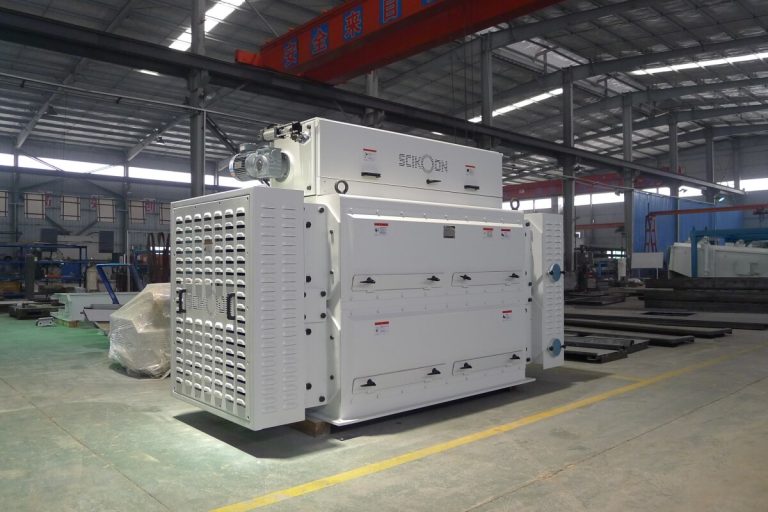
Section 3: Pros and Cons of Corn Cracking Machine
– Advantages of Corn Cracking Machine
1. Cost-Effective:
* Affordable initial investment compared to advanced machinery.
* Low maintenance costs make it ideal for small and medium-sized operations.
2. High Throughput:
* Capable of processing large quantities of corn efficiently.
* Machines like the corn hammer mill and corn cracker mill can handle various grains, offering versatility.
3. User-Friendly Operation:
* Simple design and straightforward controls make it easy to operate and maintain.
– Disadvantages of Corn Cracking Machine
1. Limited Product Options:
* Produces only cracked grains, limiting market opportunities.
2. Lower Value Products:
* Focused primarily on livestock feed, which has lower profit margins compared to flaked corn.
Section 4: Pros and Cons of Corn Flaking Machine
– Advantages of Corn Flaking Machine
1. High-Value Products:
* Produces premium corn flakes used in human food products and high-quality animal feed.
2. Enhanced Nutrition:
* Steam-flaked corn equipment improves feed digestibility for livestock, increasing the nutritional value of the final product.
3. Market Flexibility:
* Can serve both food and feed industries, offering diverse revenue streams.
– Disadvantages of Corn Flaking Machine
1. Higher Investment Costs:
* Requires significant upfront investment and additional infrastructure like a steam generator.
2. Complex Operation:
* Involves multiple stages, including steaming, which requires skilled operators and additional energy consumption.

Section 5: The Factors Should Be Considered When Choosing
Selecting the right machine for your plant involves evaluating several key factors. Here’s a detailed breakdown:
1. Market Demand
Understanding the needs of your target customers is the first step:
- Cracked Corn: Predominantly used in livestock feed, particularly for poultry, cattle, and pigs. If your business focuses on supplying feed mills or livestock farmers, a corn cracking machineis likely the best option.
- Flaked Corn: High demand in premium markets, such as breakfast cereal manufacturers and premium livestock feed producers. This is where a corn flaking machine
2. Budget and Investment
Consider both initial and operational costs:
- Corn Cracking Machine: Lower upfront costs make it a more affordable choice for startups and small-scale operations.
- Corn Flaking Machine: While the initial investment is higher, it offers greater profit potential for businesses targeting premium markets.
Don’t forget to account for:
- Energy consumption (flaking machines require steaming equipment).
- Maintenance and repair costs.
3. Production Scale and Capacity
Your production goals should dictate your choice:
- For large-scale, high-throughput operations producing basic livestock feed, a corn cracking millor corn hammer mill is suitable.
- For lower-volume, high-value production, such as corn flakes for human consumption or premium animal feed, a corn roller millor corn flaker mill is a better fit.
4. Product Quality and Purpose
The desired quality of the end product plays a significant role:
- Cracked corn is less processed, suitable for basic feed.
- Flaked corn undergoes additional steps like steaming and rolling, which enhance digestibility and appeal for premium markets.
5. Business Focus
Consider your primary business goal:
- If you’re focused on livestock feed, invest in a corn cracking machinefor its efficiency and cost-effectiveness.
- If you’re targeting high-margin food or premium feed markets, the corn flaking machinewill better serve your needs.
6. Raw Material Quality
The type and quality of corn you plan to process are crucial:
- Cracking Machines: Work well with most corn varieties, including dry or slightly moist kernels.
- Flaking Machines: Require specific conditions, such as pre-steamed or moisture-treated kernels, to produce high-quality flakes.
7. Energy and Space Requirements
- Corn Cracking Machine: Smaller and requires less energy, making it suitable for compact plants.
- Corn Flaking Machine: Needs additional infrastructure (e.g., steam generator), which requires more space and energy.
By carefully analyzing these factors, you can make an informed decision that aligns with your business goals and market needs.
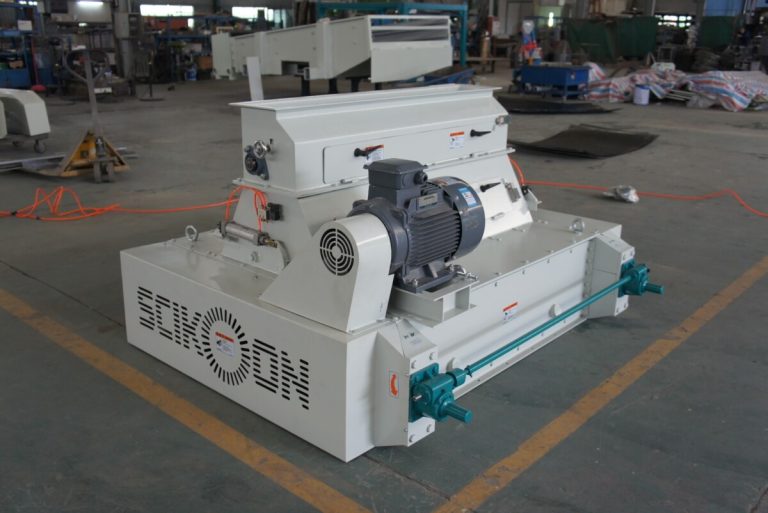
Section 6: Common Mistakes to Avoid When Deciding
Making the wrong choice can lead to costly consequences. Here are some common mistakes and how to avoid them:
1. Neglecting Market Research
- Mistake: Failing to identify whether your target customers prefer cracked or flaked corn.
- Solution: Conduct surveys, interviews, or market studies to understand demand before investing.
2. Focusing Solely on Price
- Mistake: Choosing the cheapest machine without considering long-term benefits.
- Solution: Balance cost with quality, durability, and after-sales support. A slightly higher upfront investment can save money in the long run.
3. Underestimating Operational Costs
- Mistake: Ignoring factors like energy consumption and maintenance expenses.
- Solution: Assess the total cost of ownership, including utilities and repairs. For instance:
- Corn flaking machinesconsume more energy due to steaming requirements.
- Corn cracking machinesare more economical but may require frequent adjustments for optimal performance.
4. Overlooking Production Goals
- Mistake: Choosing a machine that doesn’t align with your production capacity.
- Solution:
- For high-volume feed production, prioritize efficiency with a corn cracking mill.
- For premium, smaller-scale output, select a corn flaker millwith precise control mechanisms.
5. Ignoring After-Sales Support
- Mistake: Purchasing from a supplier without strong after-sales service.
- Solution: Partner with reliable suppliers, known for excellent maintenance support and spare parts availability.
6. Failing to Plan for Future Expansion
- Mistake: Investing in equipment that cannot scale as your business grows.
- Solution: Choose a machine that allows for capacity upgrades or complements additional equipment like a corn crusher machineor steam flaking corn equipment.
7. Choosing Without Consulting Experts
- Mistake: Making decisions based on limited knowledge or assumptions.
- Solution: Seek guidance from industry professionals or trusted suppliers. Who canoffer consultations to help businesses choose the right equipment.
By avoiding these pitfalls, you can ensure a smoother decision-making process and a successful investment in your plant.

Section 7: Recommended Supplier
Deciding between a corn cracking machine and a corn flaking machine depends on your business goals, budget, and target market. A cracking machine is ideal for affordable, large-scale feed production, while a flaking machine caters to premium markets.
When it comes to reliable corn processing equipment, Scikoon Industry Co., Ltd. stands out as a trusted partner with over 20 years of experience.
Visit www.scikoonindustry.com or email info@scikoon.com to explore their product range and find the perfect solution for your plant.
