

Hammer Mill Troubleshooting: Your Complete Guide
Hammer mills are indispensable tools in various industries, particularly grain processing and agriculture. They efficiently grind, crush, and pulverize raw materials into smaller particles, making them suitable for animal feed production, flour milling, and even industrial material reduction. However, despite their robustness and reliability, hammer mills often face operational challenges that can hinder productivity and increase downtime.
In this comprehensive guide, we will delve into how hammer mills work, explore the common problems encountered during operation, and provide practical solutions and maintenance tips. Whether you’re using an agricultural hammer mill or an industrial hammer mill, this article will equip you with the knowledge to maximize its performance.
Section 1. How Hammer Mills Work
Hammer mills operate on a simple yet effective mechanism: the impact force of hammers rotating at high speed. Below is a detailed explanation of their components and functionality:
Key Components
- Hammers: Heavy-duty metal plates mounted on a rotating shaft that strike and crush materials.
- Rotor: Drives the hammers and determines the mill’s speed and efficiency.
- Screens: Perforated plates that control the final particle size of the output material.
- Feed Mechanism: Ensures a steady supply of material into the grinding chamber.
- Discharge System: Allows the processed material to exit the mill efficiently.
Working Principle
- Raw materials enter the hammer mill machinethrough the feed mechanism.
- The rotor spins the hammers at high speed, striking the material repeatedly.
- The crushed material is forced through the screen, ensuring uniform particle size.
Applications
Hammer mills are used in diverse industries:
- Agriculture: For processing grains and seeds.
- Animal Feed: For creating nutrient-rich feed.
- Industrial Use: For crushing rocks, minerals, and other hard materials.
Their versatility makes them invaluable, whether as a pellet hammer millor a hammer mill pulverizer.
Section 2. Common Problems in the Use of Hammer Mills
Hammer mills are robust, but improper usage or lack of maintenance can lead to several issues. Here are the most common problems:
1. Excessive Vibration
- Causes:
- Imbalanced rotor or uneven wear of hammers.
- Loose bearings or poor machine alignment.
- Impact: Reduced efficiency and accelerated wear on components.
2. Overheating
- Causes:
- Continuous operation without breaks.
- Inadequate lubrication of moving parts.
- Impact: Potential damage to motor and bearings.
3. Blockages
- Causes:
- Wet or sticky materials clumping in the grinding chamber.
- Feeding materials faster than the mill’s capacity.
- Impact: Machine shutdown and operational delays.
4. Uneven Particle Size
- Causes:
- Damaged or clogged screens.
- Inconsistent feed rates.
- Impact: Poor product quality and customer dissatisfaction.
5. High Power Consumption
- Causes:
- Overloading or worn-out machine components.
- Impact: Increased operational costs.
6. Dust Emission
- Causes:
- Inadequate sealing and lack of dust collection systems.
- Impact: Health hazards and regulatory compliance issues.
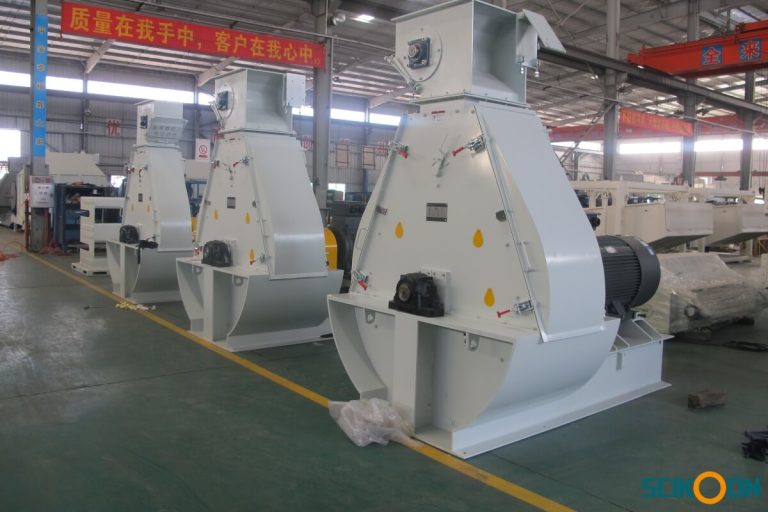
Section 3. Practical Solutions to Hammer Mill Problems
Practical solutions are essential to prevent downtime and ensure smooth operation. Below are detailed strategies for addressing the most common issues:
1. Reducing Excessive Vibration
- Inspect Rotor Balance: Use precision tools to check rotor balance regularly. Imbalances can occur due to worn hammers or uneven material buildup.
- Tighten Bolts and Bearings: Inspect and tighten all bolts, particularly around the rotor and hammers. Loose components amplify vibration.
- Replace Damaged Parts: Worn-out or cracked hammers and screens should be replaced immediately to restore balance and functionality.
2. Preventing Overheating
- Schedule Operational Breaks: Continuous operation can cause overheating. Implement an operational schedule to allow the machine to cool periodically.
- Install Cooling Systems: Equip your mill with a cooling fan or water jacket system to dissipate heat effectively.
- Monitor Lubrication: Overheating often stems from friction due to inadequate lubrication. Keep bearings well-oiled.
3. Avoiding Blockages
- Preprocess Material: Dry wet materials to a moisture level suitable for your hammer mill. Invest in a dryer if necessary.
- Gradual Feeding: Avoid overloading by using a controlled feeding mechanism to match the mill’s capacity.
4. Achieving Consistent Particle Size
- Screen Maintenance: Regularly clean and inspect screens for holes or clogs. Replace worn screens to maintain uniform output.
- Use Feed Adjusters: Calibrate feed rates to ensure even processing and avoid surges of material.
5. Lowering Power Consumption
- Optimize Material Flow: Ensure that material flows smoothly through the machine without unnecessary resistance.
- Replace Worn Parts: Components like hammers, rotors, and screens should be maintained or replaced to minimize energy waste.
6. Minimizing Dust Emission
- Install Dust Collectors: Equip the mill with a dust collection system to trap particles and improve air quality.
- Seal the Machine: Ensure that all joints and openings are sealed to prevent dust escape.
By adopting these measures, you can keep your hammer mill equipment in optimal working condition.
Section 4. Aforehand Maintenance Tips for Hammer Mills
Preventive maintenance is critical for ensuring long-term reliability and reducing unexpected breakdowns. Follow these extended maintenance practices:
1. Establish a Maintenance Schedule
- Regular maintenance checks should be scheduled based on usage intensity and operational conditions.
- Create a log to track inspection dates, issues, and completed repairs.
2. Conduct Comprehensive Inspections
- Daily Checks: Ensure that hammers, screens, and feed mechanisms are clean and functional.
- Weekly Inspections: Examine bearings, rotor alignment, and motor connections.
- Monthly Reviews: Check for structural wear, including cracks in the frame or loose components.
3. Prioritize Lubrication
- Use manufacturer-recommended lubricants for bearings and moving parts.
- Avoid over-lubricating, as this can attract dust and create build-up.
4. Train Your Operators
- Equip operators with the knowledge to recognize signs of wear and tear early.
- Provide training on proper feeding techniques and handling of the machine.
5. Stock Spare Parts
- Keep essential components such as hammers, screens, and bearings readily available to reduce downtime during repairs.
Effective maintenance reduces the likelihood of breakdowns, ensures consistent operation, and extends the lifespan of your hammer mill grinder.

Section 5. Necessity of Proper Troubleshooting and Maintenance of Hammer Mills
Regular troubleshooting and maintenance are not merely options but essential practices for businesses using hammer mills. Below are detailed reasons why these activities are indispensable:
1. Enhancing Machine Longevity
- Proactive care prevents premature wear on critical components such as hammers, screens, and rotors.
2. Improving Performance
- Addressing small inefficiencies, such as screen blockages or rotor imbalance, ensures that the mill operates at peak efficiency.
3. Preventing Downtime
- Proper maintenance minimizes unexpected breakdowns, reducing costly delays in production schedules.
4. Ensuring Product Quality
- Consistent maintenance results in uniform particle sizes, which are essential for applications like animal feed or flour production.
5. Complying with Regulations
- Many industries have strict regulations regarding dust emission and machine safety. Well-maintained equipment helps meet compliance standards.
6. Cost Management
- Investing in maintenance is more economical than addressing major failures or replacing the entire machine prematurely.
By embedding troubleshooting and maintenance into your operational workflow, you can mitigate risks and achieve long-term success with your hammer mill company.
Section 6. How to Optimize the Performance of a Hammer Mill?
Optimizing your hammer mill involves strategic decisions, operational adjustments, and sometimes upgrading existing technology. Follow these steps to achieve superior performance:
1. Choose the Right Machine
- Select a model that matches your operational capacity and material type. A mismatch can result in inefficiency and higher operational costs.
- Consult with reputable hammer mill suppliersto find tailored solutions.
2. Train Operators Effectively
- Ensure that your team is well-versed in operational procedures, safety measures, and basic troubleshooting techniques.
- Regular training sessions improve productivity and reduce operator error.
3. Use High-Quality Materials
- Invest in premium-quality hammers, screens, and rotors from trusted hammer crusher manufacturersto enhance durability and performance.
4. Monitor Feed Rates
- Avoid overloading by maintaining a consistent and appropriate feed rate. This prevents stress on the machine and ensures smooth operation.
5. Upgrade to Advanced Technology
- Incorporate features such as automated feed systems, real-time monitoring, and dust collection units to improve efficiency.
- Consider energy-efficient motors to reduce power consumption.
6. Regular Performance Assessments
- Periodically evaluate the machine’s performance through output quality and energy consumption metrics.
- Make adjustments as needed to ensure optimal efficiency.
Optimizing performance is a continuous process, but it ensures that your commercial hammer mill remains a valuable asset to your operation.

Section 7. Recommended Supplier of Hammer Mills
Hammer mills are essential for grain processing and other industrial applications, but they require proper care and attention to function at their best. By understanding their working principles, addressing common problems, and implementing effective maintenance strategies, you can maximize their productivity and lifespan.
For reliable and high-quality hammer mill solutions, trust Scikoon Industry Co., Ltd. With decades of expertise, Scikoon provides tailored solutions to meet your needs and ensure long-term success in your operations.
For over 20 years, Scikoon Industry Co., Ltd. has been a trusted manufacturer of hammer mills for grain processing. Main products including hammer crushers, industrial hammer mills, and pellet hammer mills, are known for their durability and efficiency.
With a focus on customer satisfaction, Scikoon offers competitive pricing, high-quality products, and exceptional after-sales support. Contact us at info@scikoon.com or visit www.scikoonindustry.com to find the best hammer mill solutions for your business.
