

Why Investing in a Feed Crusher Machine is a Smart Move for Your Business?
In the competitive landscape of animal feed production, success hinges on efficiency, quality, and cost-effectiveness. A feed crusher machine is more than just equipment—it’s a game-changer for businesses looking to streamline their operations and deliver premium-quality feed to customers.
This article delves into the essentials of feed crusher machines, from understanding their role and benefits to exploring market potential and troubleshooting tips. By the end, you’ll know how to make a confident investment in this vital machinery and start a thriving feed production business.
Section 1: What is a Feed Crusher Machine?
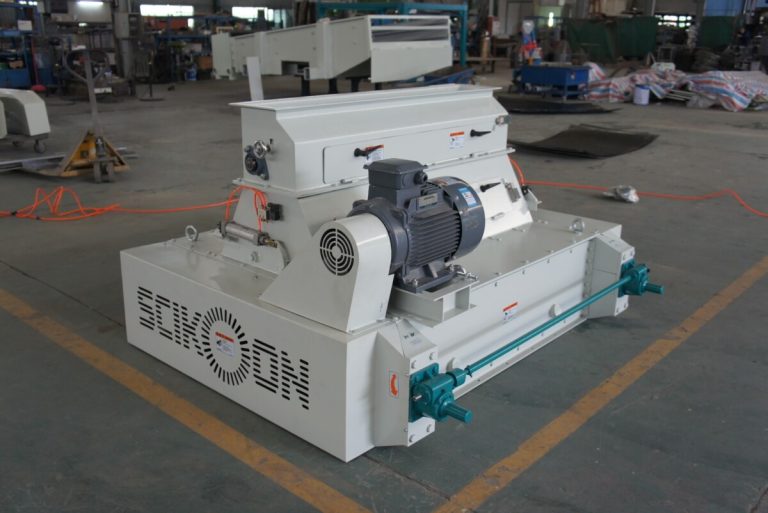
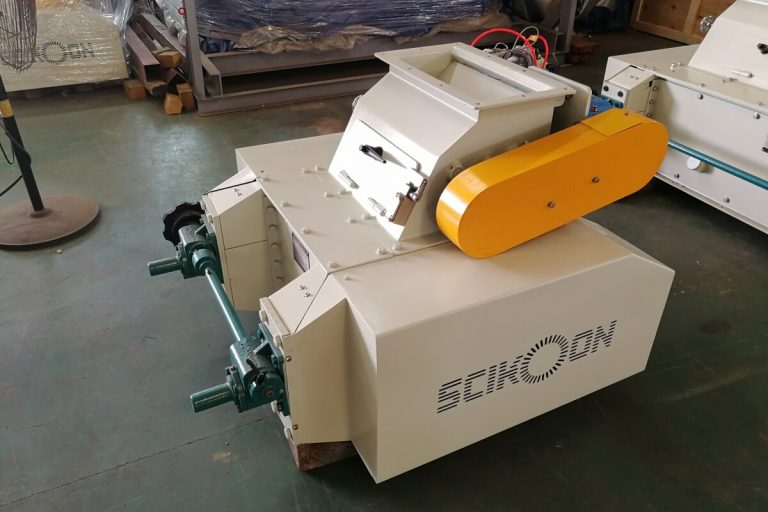
A feed crusher machine is specialized equipment used to grind and crush raw materials, such as grains, seeds, and cereals, into fine particles suitable for animal consumption. Its primary function is to prepare these raw materials for further processing, such as mixing or pelletizing, while ensuring optimal nutrient retention and feed quality.
Feed crusher machines come in various types, each designed to cater to different needs:
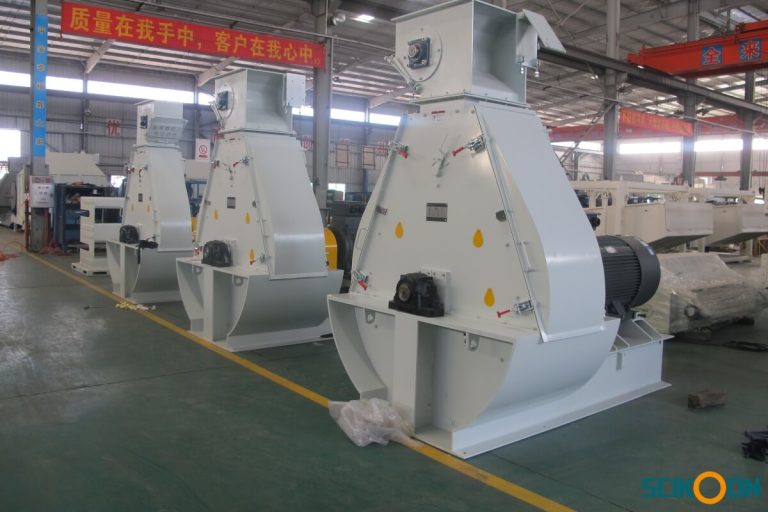
1. Feed Hammer Mill:
- Best for pulverizing grains into fine powder.
- Commonly used in poultry feed and aquaculture feed production.
2. Feed Roller Mill:
- Ideal for crushing grains while preserving some texture.
- Suitable for cattle and livestock feed.
3. Feed Pulverizer:
- Designed for ultra-fine grinding.
- Often used in specialized feed production, such as for young animals.
These machines are available in various sizes and capacities, making them suitable for small-scale farms and large commercial feed mills alike.
Section 2: Understanding the Role of a Feed Crusher Machine
A feed crusher machine plays a crucial role in the production of animal feed. Here’s how it contributes to the feed production process:
1. Breaking Down Raw Materials:
- Crushes grains, oilseeds, and other materials into smaller particles.
- Enhances nutrient availability and digestibility for animals.
2. Improving Feed Texture:
- Produces feed with consistent size and texture, making it easier for animals to consume.
3. Streamlining Production:
- Prepares raw materials for mixing and pelletizing, ensuring a seamless production process.
4. Ensuring Feed Quality:
- Maintains the nutritional value of feed ingredients by preventing over-grinding or nutrient loss.
The machine’s efficiency and versatility make it an essential tool for producing high-quality feed tailored to specific dietary requirements.
Section 3: Benefits of Owning a Feed Crusher Machine
Investing in a feed crusher machine provides significant advantages that can transform your feed production business.
1. Cost Efficiency:
- Reduces dependency on expensive pre-processed feed.
- Enables bulk processing of raw materials, saving money in the long run.
2. Customization:
- Allows you to create feed formulations tailored to specific animals, such as poultry, cattle, or fish.
- Enhances competitiveness by offering niche products in the market.
3. Improved Productivity:
- Handles large volumes of raw materials efficiently.
- Speeds up production, allowing businesses to meet high demand.
4. Enhanced Feed Quality:
- Produces consistent particle sizes, improving feed palatability and nutritional value.
5. Scalability:
- Can be used for small-scale farms or expanded for large commercial operations.
These benefits highlight why a feed crusher machine is a valuable asset for any feed production business.
Section 4: The Market Potential for Feed Production
The global animal feed industry is on an upward trajectory, driven by the rising demand for livestock, poultry, and aquaculture products. Here’s why the market is so promising:
1. Increasing Livestock Farming:
- Livestock farming is expanding globally, particularly in developing countries.
- The demand for high-quality animal feed is growing in tandem with the livestock industry.
2. Diversified Feed Needs:
- Different types of feed are required for various animals, such as chickens, cattle, and fish.
- Specialized feed products command higher prices in the market.
3. Export Opportunities:
- High-quality animal feed is in demand worldwide, creating opportunities for businesses to enter export markets.
4. Sustainability Trends:
- The push for sustainable farming practices has increased demand for feed that supports animal health and reduces environmental impact.
Investing in a feed crusher machine positions your business to tap into these opportunities and grow alongside the industry.
Section 5: How to Get Started with a Feed Crusher Machine?
Starting your feed production business with a feed crusher machine involves several key steps:
1. Identify Your Target Market:
- Understand the specific feed needs of your target audience, whether it’s poultry farmers, cattle ranchers, or aquaculture businesses.
2. Choose the Right Machine:
- Assess your production goals and select a machine that aligns with your capacity, feed type, and budget.
3. Secure Reliable Raw Materials:
- Establish a dependable supply chain for grains and other ingredients.
4. Set Up Your Production Facility:
- Ensure you have adequate space, power supply, and storage for your operations.
5. Train Your Team:
- Provide comprehensive training on the operation and maintenance of the machine to ensure optimal performance.
By following these steps, you can establish a strong foundation for your feed production business.
Section 6: Common Problems and Troubleshooting of Feed Crusher Machines
While feed crusher machines are designed for reliability, occasional issues can arise. Here’s a guide to addressing common problems:
1. Uneven Particle Size:
- Cause: Blade misalignment or dullness.
- Solution: Adjust or replace the blades to achieve uniform crushing.
2. Reduced Efficiency:
- Cause: Clogged feed intake or worn-out components.
- Solution: Regularly clean the machine and replace worn parts.
3. Excessive Noise:
- Cause: Loose belts, bearings, or other components.
- Solution: Tighten or replace the affected parts.
4. Overheating:
- Cause: Prolonged use without breaks or insufficient lubrication.
- Solution: Allow the machine to cool periodically and ensure proper lubrication.
Routine maintenance and timely troubleshooting are crucial for keeping your feed crusher machine in top condition.
Section 7: How to Choose the Right Feed Crusher Machine for Your Business?
Selecting the ideal feed crusher machine requires careful consideration of various factors. With the right machine, you can optimize your production process, reduce costs, and produce high-quality feed. Here’s a comprehensive guide to help you make an informed decision:
1. Determine Your Production Capacity
- Assess the quantity of feed you need to produce daily, weekly, or monthly.
- For small-scale operations, compact machines with moderate output might suffice.
- For commercial feed production, invest in high-capacity machines capable of processing large volumes efficiently.
2. Understand Your Raw Material Requirements
- Identify the types of raw materials you’ll be processing (e.g., corn, soybeans, wheat, or mixed grains).
- Ensure the feed crusher machine is compatible with these materials and can handle their hardness and moisture levels.
3. Consider the Type of Feed You’re Producing
- Different animals have varying dietary needs and require specific feed textures:
- Poultry feed often requires fine particles.
- Livestock feed like cattle or sheep may need coarser textures.
- Aquatic feed often necessitates ultra-fine particles for easy digestion.
- Choose a machine, such as a feed hammer mill or feed roller mill, based on your desired feed consistency.
4. Evaluate the Machine’s Build Quality and Durability
- Check the materials used in the machine’s construction, such as stainless steel or hardened steel, to ensure durability.
- High-quality, wear-resistant components reduce maintenance costs and increase the machine’s lifespan.
- Look for safety features to protect your workers and the machine during operation.
5. Focus on Energy Efficiency
- Modern feed crusher machines are designed to consume less energy while delivering higher output.
- Investing in an energy-efficient machine can significantly lower operating costs, especially for large-scale operations.
6. Assess Ease of Operation and Maintenance
- Opt for machines with user-friendly controls and straightforward operation procedures.
- Easy access to parts like blades, rollers, or screens simplifies cleaning and maintenance.
- Regular maintenance should not disrupt your production schedule, so consider machines with quick serviceability.
7. Check for Noise and Vibration Levels
- Excessive noise and vibrations can lead to worker discomfort and potential machine wear.
- Choose machines designed to minimize noise and vibrations during operation.
8. Evaluate the Manufacturer’s Reputation
- Research the manufacturer’s track record, customer reviews, and industry certifications (e.g., ISO or CE certifications).
- Reputable manufacturers often provide robust after-sales support, spare parts availability, and technical assistance.
9. Look at Price vs. Value
- While cost is important, the cheapest option might not always provide the best value.
- Consider long-term benefits such as durability, energy efficiency, and performance when comparing prices.
10. Test Before You Buy
- Whenever possible, request a trial or demonstration of the machine to assess its performance with your materials.
- This will help you understand how the machine handles your production needs and identify any potential issues.
11. Explore Customization Options
- Some manufacturers offer customized machines tailored to your specific requirements.
- This could include unique blade configurations, feed intake sizes, or additional features to improve productivity.
12. Think About Future Expansion
- If you plan to scale your business in the future, choose a machine that can accommodate increased production demands.
- Look for modular systems that allow for upgrades or expansion without replacing the entire setup.
By carefully evaluating these factors, you can select a feed crusher machine that meets your current needs while positioning your business for future growth. A well-chosen machine not only improves efficiency and profitability but also ensures consistent, high-quality feed for your customers.
Section 8: Recommended Supplier of Feed Crusher Machines
A feed crusher machine is an essential investment for businesses seeking to produce high-quality animal feed efficiently and cost-effectively. With its benefits, market potential, and scalability, owning this machine can propel your business to new heights.
Choose Scikoon Industry Co., Ltd. as your trusted partner in this journey, and take the first step toward building a successful feed production business today.
For high-quality feed crusher machines, Scikoon Industry Co., Ltd. is the trusted choice. With over 20 years of expertise, Scikoon provides reliable, efficient, and energy-saving machines tailored to your needs.
Visit www.scikoonindustry.com or email info@scikoon.com for more information.
