

Crusher Machines Demystified: A Beginner's Guide
Crusher machines play a critical role in various industries, working as the backbone for material processing. Whether you’re breaking down grains, oilseeds, or raw materials for manufacturing, crusher machines enhance productivity, reduce labor, and guarantee material uniformity.
This guide is created to help you, a beginner, understand everything about crusher machines, from their types and applications to choosing the right machine and maintaining it for long-term efficiency.
Section 1: What is a Crusher Machine?
A crusher machine is an essential piece of equipment utilized to break down larger materials into smaller, more manageable pieces. They are widely used in industries such as agriculture, food processing, construction, and mining. The core purpose of a crusher machine is to optimize material size for further processing, whether it’s for feeding animals, oil extraction, or recycling.
Why Crusher Machines are Essential?
- Productivity Boost: They automate material processing, saving time and labor.
- Material Preparation: Essential for preparing materials for downstream processing or extraction.
- Versatility: Applicable across multiple industries and materials.
Section 2: Types of Crusher Machines
Selecting the right crusher machine depends on the material and desired output. Here are the most common types:
1. Jaw Crushers
- How They Work: Use compressive force to break down materials between a stationary and a moving jaw.
- Best For: Crushing hard and abrasive materials such as rocks, minerals, or large grains.
- Applications: Primarily in mining and construction, but also for breaking down large grains in agriculture.
2. Cone Crushers
- How They Work: Use a rotating cone inside a hollow structure to crush materials against the walls.
- Best For: Secondary and tertiary crushing of medium-hard materials like seeds or medium-sized rocks.
- Applications: Industries requiring uniform, finely crushed material.
3. Hammer Crushers
- How They Work: Employ high-speed rotating hammers to smash materials into smaller particles.
- Best For: Soft to medium-hard materials such as grains, oilseeds, and light industrial waste.
- Applications: Popular in agriculture for producing feed and in oilseed processing for initial preparation.
4. Roller Crushers
- How They Work: Use cylindrical rollers to crush materials by applying pressure.
- Best For: Producing uniform-sized particles with minimal fines.
- Applications: Grain milling, oilseed crushing, and producing smooth-textured feed.
5. Impact Crushers
- How They Work: Use high-speed impacts to break down materials into smaller pieces.
- Best For: Materials prone to shattering, such as brittle grains or waste material.
- Applications: Recycling and processing lightweight agricultural products.
6. Lump Crushers
- How They Work: Break down large, compacted lumps of material using rotating blades or bars.
- Best For: Dealing with oversized or clumped materials.
- Applications: Common in fertilizer, chemical, and animal feed industries.
7. Pulverizers
- How They Work: Reduce materials to a fine powder by grinding or crushing.
- Best For: Seeds, spices, and other small, hard materials.
- Applications: Oilseed preparation and industrial grinding.
8. Cracker Mills
- How They Work: Crush materials using a combination of rollers and grinding mechanisms.
- Best For: Cracking oilseeds for easier extraction.
- Applications: Specific to oilseed industries, such as crushing soybeans or canola.

Section 3: Key Applications of Crusher Machines
Crusher machines are versatile devices made use of across industries to optimize workflows, reduce labor, and ensure consistency in material preparation. Let’s explore into their most significant applications:
1. Agriculture and Feed Production
Crusher machines are indispensable in modern agriculture, supporting food security and livestock production by enabling efficient grain and crop processing.
- Grain Milling: Crushing grains such as wheat, corn, and maize into fine flour or feed reduces labor and ensures uniform particle sizes. Farmers and feed producers depend on grain crusher machinesfor creating high-quality feed.
- Poultry Feed Production: Special crushers grind grains and crop residues into small, digestible pieces for poultry feed. This improves nutrient absorption in animals, leading to healthier livestock.
- Silage Preparation: Some crushers are used to break down forage crops, making them easier to ferment and store as silage for feeding cattle during lean seasons.
2. Oilseed Processing
Oilseed processing relies heavily on specialized crusher machines to prepare seeds for efficient oil extraction.
- Seed Crushing: Hard oilseeds such as soybeans, sunflower seeds, and canola must be crushed to expose the oil for extraction.
- Pre-Extraction Preparation: Crushers are used to crack the hard outer shells of seeds, allowing for efficient pressing or solvent extraction in oil production plants.
- Uniform Sizing: Properly crushed seeds lead to higher oil yields and better-quality end products.
3. Industrial Use
Beyond agriculture and food, crusher machines support a range of industrial applications.
- Material Recycling: Crushers break down scrap materials, such as metals and plastics, into smaller pieces for recycling.
- Fertilizer Production: Lump crushers reduce large fertilizer clumps into finer particles for even distribution.
- Construction Materials: Crushers are employed to process materials like gravel, sand, and crushed rock for construction use.
Section 4: Features and Benefits of Crusher Machines
– Key Features of High-Quality Crusher Machines
- Durable Construction: Built with robust materials such as stainless steel or heavy-duty alloys, ensuring longevity even under harsh operating conditions.
- Adjustable Settings: Many crushers allow users to adjust settings to achieve desired particle sizes, making them versatile for different applications.
- Energy Efficiency: Modern crushers use optimized motors and designs to reduce power consumption without compromising performance.
- Safety Mechanisms: Features like overload protection and emergency stops ensure safe operation, minimizing accidents during use.
- Compact Designs: Some crushers are designed to save space, making them suitable for small farms or industrial setups.
– Benefits of Using Crusher Machines
- Enhanced Productivity: By automating the crushing process, these machines reduce manual labor and process materials faster.
- Cost Efficiency: Uniform material output reduces waste and optimizes raw material usage, saving costs in the long run.
- Improved Product Quality: Consistent particle sizes improve the quality of feed, oil, or recycled materials.
- Sustainability: Crushing scrap materials for recycling promotes environmental responsibility and reduces waste.

Section 5: How to Choose the Right Crusher Machine
Choosing the appropriate crusher machine is important to achieving the desired material output and optimizing your overall production process. No matter you’re working with grain, oilseeds, or industrial waste, making a right decision is crucial for improving operational efficiency and reducing long-term costs. Below are key factors to consider when selecting a crusher machine:
1. Identify Your Material Type
The first step in choosing the right crusher is understanding the type of material you’ll be processing. Crusher machines are designed to handle different materials, and selecting the wrong type can result in inefficiency, excessive wear, or machine failure. Consider the following:
- Soft Materials: For soft materials like grains or seeds, you might opt for machines like hammer crushers or roller mills that break down the material without excessive force.
- Hard Materials: For more robust materials such as rocks, metals, or hard oilseeds, machines likejaw crushers or cone crushers are better suited for breaking down tough surfaces.
- Moisture Content: The moisture level in your material can affect the type of crusher you need. For wet materials, crushers with built-in drying capabilities or machines with robust ventilation systems may be necessary to avoid blockages and overheating.
2. Determine the Desired Capacity
The capacity of your crusher machine should match your production needs. You want a machine that can handle the material volume efficiently without causing bottlenecks in your workflow.
- Small-Scale Operations: For smaller operations or farms, a compact grain crusherwith a lower capacity may suffice. These machines are ideal for small batches and moderate output requirements.
- Large-Scale Industrial Needs: If you’re working in a large industrial setting, a high-capacity crusher machine like an industrial hammer millor cone crusher is necessary to manage heavy loads and high throughput. Make sure the machine’s throughput is aligned with your production schedule to avoid delays.
3. Evaluate Power Requirements
When selecting a crusher machine, consider the power source that best suits your operations.
- Electric-Powered Crushers: These are common in facilities with reliable power sources. They are energy-efficient and require less maintenance compared to diesel-powered machines. If you’re operating in an area with stable electricity, an electric-powered machine will be a cost-effective option.
- Diesel-Powered Crushers: These are ideal for remote or off-grid locations where electricity is unavailable. Diesel-powered crushers are more mobile and can be transported easily across different locations, making them perfect for mobile crushing operations in agriculture or construction.
- Energy Efficiency: Look for crushers that incorporate energy-saving technologies, such as variable frequency drives (VFDs), which help control the motor speed and reduce energy consumption. This will not only save you money on electricity but also improve the overall sustainability of your operation.
4. Consider Adjustable Features
A crusher with adjustable settings is essential for producing consistent particle sizes, allowing you to customize the output based on your processing needs. For instance, a hammer crusher machine may come with settings to control the rotor speed, which directly influences the particle size. Machines with customizable settings can provide more versatility across various applications.
- Screening Options: Some crushers come with additional screening options that help separate finer particles from larger ones. This is beneficial when you need multiple sizes for specific applications like animal feed or fertilizer production.
- Adjustable Crushing Force: Depending on the hardness of your material, you may need a machine that allows for adjustments in crushing force. This will help avoid over-crushing or under-crushing, both of which can lead to wasted material or machine damage.
5. Compare Costs and After-Sales Support
While it may be tempting to opt for the cheapest machine available, it’s essential to factor in the long-term costs associated with operating and maintaining the equipment. Look for machines that offer good value by balancing upfront costs with durability and low maintenance needs.
- Total Cost of Ownership: Consider the long-term cost of operating the machine, including energy consumption, maintenance, and repair costs. A higher initial investment may pay off over time if the machine is more energy-efficient or requires less maintenance.
- After-Sales Support: Choose a supplier that offers strong customer support, including installation services, training, and technical assistance. Look for reliable suppliers who provide spare parts and ensure the availability of components for future repairs.
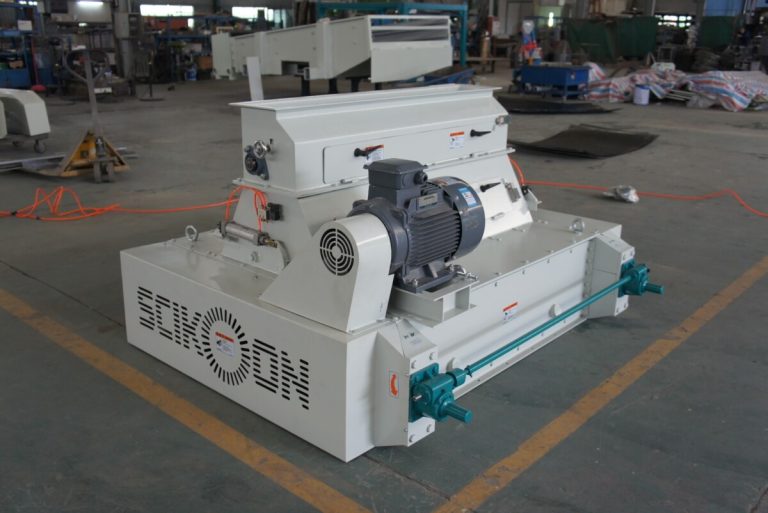
Section 6: Maintenance Tips for Crusher Machines
Proper maintenance is crucial to ensure the long-term performance and durability of your crusher machine. Regular upkeep helps prevent downtime, reduces the risk of costly repairs, and make sure consistent material output. Here’s a detailed maintenance guide which can help you keep your crusher machine running smoothly:
1. Routine Maintenance Checklist
Daily or periodic checks are essential to identify any signs of wear, tear, or inefficiency. This helps extend the life of the equipment and ensures consistent performance:
- Clean the Machine Regularly: After each use, make sure to clean the crusher, removing any leftover materials or dust. This helps prevent buildup that could affect performance. Use compressed air or a brush to clear debris from sensitive parts like the screen or rotor.
- Lubricate Moving Parts: All crushers have moving parts, such as bearings, rotors, and gears, that require lubrication to reduce friction and prevent overheating. Make sure to use the manufacturer’s recommended lubricants and follow the suggested intervals for lubrication.
- Check for Blockages: Inspect the machine for any clogs or blockages that may slow down the crushing process. If you notice any material buildup, address it immediately to avoid causing damage to internal components.
2. Preventive Measures
Adopting a proactive approach to maintenance can reduce the likelihood of major breakdowns and costly repairs. Here are some preventive steps:
- Inspect Critical Components: Regularly inspect essential parts such as the rotor, screen, hammers, and jaws. Look for any signs of wear, cracking, or corrosion. Replace worn-out components promptly to avoid system failures.
- Monitor Performance Indicators: Keep track of operational data, such as throughput and motor load, to detect any abnormalities. Fluctuations in performance might signal underlying issues with the machine.
- Ensure Proper Cooling: Crusher machines, especially those in heavy-duty operations, can overheat under extended use. Ensure that the machine’s cooling system (if equipped) is functioning properly to maintain an optimal temperature and prevent overheating.
- Check for Vibration: Excessive vibration can indicate imbalanced parts or damaged bearings. Regularly inspect the machine for any unusual vibrations and take corrective action if needed. This can prevent further damage to the machine’s structure.
3. Long-Term Maintenance
Over the lifespan of the machine, you should schedule more in-depth maintenance tasks:
- Overhaul the Machine: Perform a full inspection and overhaul periodically, especially if the crusher is used heavily. This includes checking for any internal damage, reinforcing parts, and replacing parts that have reached the end of their service life.
- Upgrade Parts: As technology advances, you might want to upgrade certain components of your machine to improve performance or energy efficiency. Always consult with the manufacturer before making modifications to ensure compatibility.
- Replace Worn Parts: Commonly worn parts include hammers, screens, and crushing jaws. These parts should be replaced based on wear rates, which depend on the material processed and operational conditions.

Section 7: Common Problems and Troubleshooting
Even the best machines encounter occasional issues. Below are some common problems and solutions of crusher machines:
1. Blockages
- Problem: Material jams during operation.
- Solution: Stop the machine and safely clear the blockage according to the manufacturer’s guidelines.
2. Uneven Crushing Output
- Problem: Output material is inconsistent in size.
- Solution: Adjust the machine settings or check for wear on crushing components.
3. Overheating
- Problem: Machine overheats during prolonged use.
- Solution: Inspect the cooling system and ensure proper ventilation. Reduce workload if necessary.
4. Excessive Noise or Vibrations
- Problem: Loud, unusual sounds during operation.
- Solution: Check for loose bolts, worn bearings, or improperly installed components.
5. Power Failures
- Problem: Machine frequently shuts down.
- Solution: Inspect the power supply, motor, and overload protection systems.
Section 8: Environmental and Legal Considerations
Contemporary industries must balance productivity with environmental responsibility and legal compliance.
– Environmental Concerns
- Energy Consumption: Opt for energy-efficient machines to reduce carbon footprints.
- Waste Management: Use crushers for recycling waste materials like scrap metal or plastics.
– Legal Requirements
- Safety Standards: Ensure machines comply with local safety regulations.
- Emission Regulations: Check for emission control features in diesel-powered equipment.
- Operational Permits: Obtain necessary licenses to operate crushing equipment in industrial or agricultural zones.
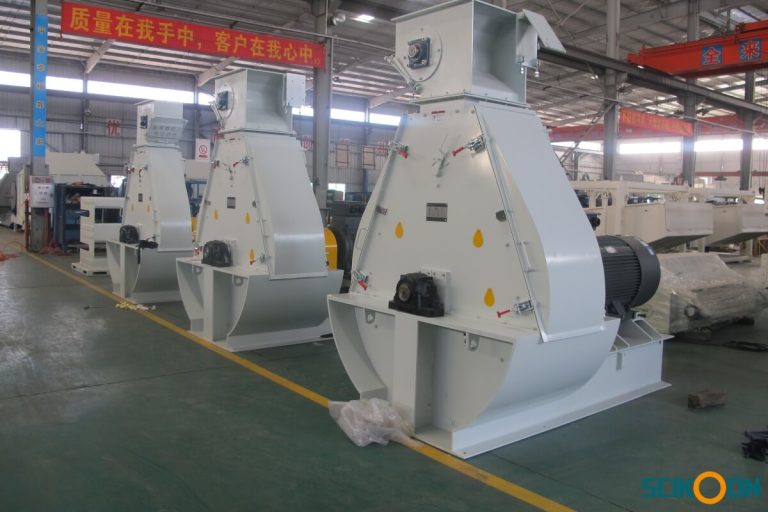
Section 9: Trends and Innovations
The crusher machine industry continues to evolve, integrating modern technologies to enhance efficiency and sustainability.
1. Automation and Smart Features
- Machines with IoT-enabled sensors can monitor performance and predict maintenance needs.
- Automated crushers improve output consistency while reducing human intervention.
2. Sustainable Designs
- Incorporating recyclable materials in machine construction reduces waste.
- Low-energy designs support green initiatives in industrial operations.
3. Enhanced Customization
- Modern crushers allow precise adjustments for particle size, capacity, and material type, catering to specific user needs.
Section 10: Recommended Supplier of Crusher Machine
With over 20 years of experience, Scikoon Industry Co., Ltd. is a leader in manufacturing top-quality crusher machines for grain and oilseed industries.
Why Choose Scikoon?
- Wide Product Range: From hammer crushers to roller mills, we cater to diverse processing needs.
- Competitive Prices: Our crusher machines for salecombine affordability with performance.
- Custom Solutions: Tailored equipment for specific materials and capacities.
- Reliable After-Sales Support: Comprehensive maintenance services and genuine spare parts.
Contact Scikoon Industry Co., Ltd. today to explore high-performance crusher machines that boost your productivity and streamline operations.
Scikoon Industry Co., Ltd.
Web: www.scikoonindustry.com
Email: info@scikoon.com
