

Step-by-Step Guide to Understanding Maize Processing Machines
Maize processing plays an indispensable role in the global food industry, as maize (corn) is transformed into various consumable products such as maize flour, meal, grits, and more. Whether for large-scale commercial production or small local operations, maize processing machines are vital for automating and streamlining these processes. This comprehensive guide will walk you through everything you need to know about maize processing machines, including the types, how they work, and how to choose the right one for your needs.
Section 1: What is a Maize Processing Machine?
A maize processing machine describes a variety of equipment used to process raw maize kernels into various products, including maize flour, maize meal, grits, and other by-products. These machines optimize the processing sequence, ensuring higher yields, improved product consistency, and reduced manual labor work.
The process typically involves several key stages:
- Cleaning: Removing dirt, stones, and other impurities from the maize kernels.
- Dehulling: The outer shell or husk is removed from the maize kernels.
- Degermination: Separating the germ from the maize kernel to prevent spoilage and enhance product shelf life.
- Milling/Grinding: Breaking down the kernels into finer products such as flour, meal, or grits.
- Sieving: Sorting and grading the milled product to achieve the desired particle size.
These machines are widely used in both food processing industries and animal feed production, catering to a variety of applications.
Section 2: Types of Maize Processing Machines
There are several types of maize processing machines, each designed to perform specific tasks in the processing line. Below are the most common types:
1. Maize Cleaning Machines
Maize cleaning machines are used to remove impurities such as dust, stones, and damaged kernels from raw maize. These machines are vital for ensuring that only high-quality maize enters the processing line. Common cleaning equipment includes:
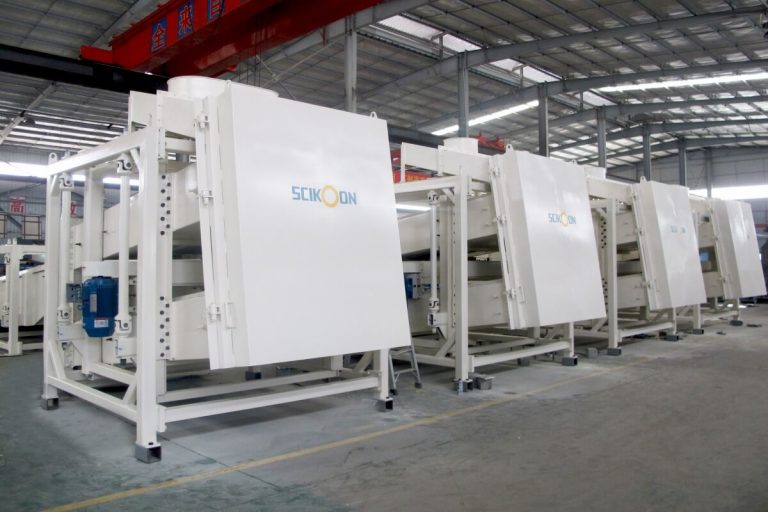
- Vibratory screensto sift out small debris.
- Air classifiersto separate lightweight impurities like dust.
- Gravity separatorsfor sorting based on weight and size.
These machines are crucial for preventing contamination and improving the efficiency of the entire maize processing operation.
2. Maize Peeling Machines
Maize peeling machines are used to remove the husk or outer shell from the maize kernels. This step is vital for improving the quality of the final product. The peeling process can be achieved through abrasive or friction-based methods.
3. Maize Degerminators
Maize degerminators are used to separate the germ from the rest of the maize kernel. The germ contains oil, which can lead to spoilage, so removing it helps extend the shelf life of the processed product. This step also helps improve the quality of the milled product.
4. Maize Milling Machines
Maize milling machines are central to the processing line, used to grind the cleaned and dehulled maize into various forms like maize flour, maize meal, or corn grits. The most common types of milling machines include:
- Hammer mills: Used for fine grinding, these are ideal for producing maize flouror cornmeal.
- Roller mills: Often used for coarser products like maize grits, these machines apply pressure to the kernels, resulting in a finer consistency.
- Maize pulverizers: These are used for fine grinding and can produce a wide range of particle sizes for various applications.
5. Maize Sieving Machines
Sieving machines are used to sort the milled products into different particle sizes. The sieving process is important to ensure product uniformity and quality, separating fine maize flour from coarser particles like maize meal or grits. The most common types of sieving machines are vibratory sieves and rotary sieves.

Section 3: How Maize Processing Machines Work
Understanding how maize processing machines work is crucial to optimizing their performance. Here’s a breakdown of the typical process:
- Cleaning: Raw maize is first fed into cleaning machines, where impurities such as stones, dirt, and damaged kernels are removed through a combination of sieves, air classifiers, and gravity separators.
- Peeling and Degermination: After cleaning, the maize is fed into peeling machines to remove the outer husk. In the degermination process, the germ is separated from the maize kernel, as it contains oil and can reduce shelf life. This step also helps improve the quality of the milled product.
- Milling and Grinding: The processed maize is then ground into flour, meal, or grits usingmaize milling machines such as hammer mills or roller mills. The choice of mill depends on the desired final product. Hammer mills provide finer grinding, while roller mills are used to produce coarser products like corn grits.
- Sieving: Finally, the ground maize is passed through maize sieving machines, which separate the milled product based on particle size. This ensures the desired consistency and quality, whether producing cornmeal, maize flour, or maize grits.
Section 4: Benefits of Maize Processing Machines
Investing in maize processing machines provides a range of advantages, which include:
- Increased Efficiency: Automation reduces manual labor, increases processing speed, and enhances productivity. Machines can operate continuously, reducing downtime and ensuring faster output.
- Consistency in Product Quality: With machines handling the processing, you achieve more consistent results across batches. Automated systems can maintain precise control over parameters like grind size, moisture levels, and product texture.
- Cost Savings: Although the upfront cost of maize processing machinescan be significant, the long-term savings in labor costs, energy consumption, and waste reduction make them a cost-effective choice for businesses of all sizes.
- Scalability: Whether you are a small-scale processor or a large commercial operation, maize processing machinescan be scaled to meet demand. You can start with a small setup and expand as your business grows, ensuring that your processing capacity grows with your needs.
- Better Raw Material Utilization: These machines are designed to extract the maximum amount of product from each maize kernel. By separating the germ and hull, processors can produce high-quality products while minimizing waste.
Section 5: Factors to Consider When Choosing a Maize Processing Machine
Choosing the right maize processing machine for your needs includes considering various factors, such as:
- Capacity: The machine’s processing capacity—measured in tons per hour or day—should align with your production goals. Large-scale operations need machines capable of handling higher volumes, while smaller mills can benefit from more compact machines.
- End Product: The type of product you wish to produce, whether maize flour, meal, grits, or others, will determine the type of milling machine required. Hammer millsare best for fine products like flour, while roller mills work well for coarser products like grits.
- Energy Efficiency: Machines that consume less power can significantly reduce operating costs. Look for equipment with energy-efficient motors and optimized power consumption features.
- Maintenance and Durability: Choose machines made with high-quality, durable materials like stainless steel. Also, ensure the machine is easy to clean and maintain. Regular maintenance is key to preventing breakdowns and ensuring a long operational life.
- Technology and Automation: Modern maize processing machines come with advanced automation features, including programmable controls, real-time monitoring, and automatic adjustment capabilities. These features improve precision and reduce labor requirements.
- Cost: While the initial purchase price ofmaize processing machines is a key consideration, it’s also essential to factor in operating costs, such as energy, maintenance, and spare parts. A higher upfront cost might be worth it if the machine offers greater reliability and efficiency.

Section 6: Maintenance Tips of Maize Processing Machines
Proper maintenance ensures that your maize processing machinery operates efficiently and lasts longer. Below are some key tips:
- Regular Cleaning: Clean your machines after each batch to remove any flour, meal, or other residues that can affect machine performance and hygiene. Regular cleaning also prevents blockages and reduces the risk of contamination.
- Lubrication: Moving parts such as gears, rollers, and belts need to be lubricated regularly to prevent friction and wear. Proper lubrication reduces the risk of damage and ensures smooth operation.
- Inspect for Wear and Tear: Regularly check for signs of wear on critical parts like milling heads, screens, and bearings. Replacing worn-out parts early can prevent costly downtime and maintain processing efficiency.
- Monitor Power Consumption: If your machine is consuming more power than usual, it could indicate inefficiency or malfunction. Keep an eye on power usage to catch any potential issues early.
- Routine Inspections and Calibration: Schedule periodic professional inspections to ensure that all systems are functioning optimally. Machines should be calibrated regularly to ensure precise milling and processing.
- Proper Storage and Handling: When not in use, store machines in a dry, clean environment to prevent rusting and damage. Proper handling during transportation and installation can also extend the machine’s lifespan.
By following these maintenance tips, you can minimize downtime, avoid costly repairs, and ensure your maize processing machine continues to deliver top-quality performance for years.
Section 7: The Market Demand for Processed Maize Products
The worldwide demand for processed maize products continues to grow, driven by various economic and consumer trends:
- Food Industry Growth: Processed maize products like flour, meal, and grits are key ingredients in a wide range of food products such as breads, tortillas, snacks, and breakfast cereals. The rise of gluten-free diets and the increased demand for non-GMO foodsare expanding the market for maize-based ingredients. Additionally, in regions where maize is a staple food (such as Sub-Saharan Africa and Latin America), processed maize products are in high demand.
- Animal Feed: Maize is a primary component of animal feed, especially for poultry, cattle, and pigs. As global demand for meat and dairy products rises, the need for maize-based animal feedalso increases. The growing focus on improving livestock nutrition is driving the demand for high-quality maize meal and other by-products.
- Biofuels and Industrial Uses: Maize is increasingly used in the production of biofuelslike ethanol. In many countries, maize is a crucial feedstock for biofuel production, driven by government incentives and the push for renewable energy sources. Additionally, maize-based products are used in the production of biodegradable plastics, packaging, and other eco-friendly industrial materials.
- Health and Wellness Trends: As consumers become more health-conscious, the demand for processed maize products that cater to health trends is on the rise. High-protein, gluten-free, and organic maize products are becoming increasingly popular in the health food market.
- Rising Urbanization: As urbanization continues, particularly in developing countries, there is greater demand for processed food products, including those made from maize. With more people leading busy, on-the-go lifestyles, convenience foods made from maize flour and meal are seeing greater popularity.
These factors show that the market for processed maize products is expanding, offering significant growth opportunities for processors who can meet the increasing demand for high-quality, efficiently produced maize-based ingredients.
Section 8: The Latest Trends in Maize Processing Technology
The maize processing industry is continuously evolving to meet the demands of a competitive market. Key trends in maize processing technology include:
- Automation and Smart Technology: As with many industries, automation is transforming maize processing. Machines now come with integrated smart technologythat offers real-time data collection and performance monitoring. This technology allows operators to optimize machine settings for maximum efficiency, identify issues before they become critical, and improve overall production timelines.
- Energy Efficiency: With rising energy costs and a growing focus on sustainability, energy-efficient maize processing machinesare in high demand. Modern machines are being designed to consume less energy while maintaining high throughput, which not only helps reduce costs but also supports environmentally friendly practices.
- Sustainability and Waste Minimization: Maize processors are increasingly focused on reducing waste and utilizing by-products. Technologies that enable the recycling of maize husks, germ, and other waste products into biofuels, animal feed, or other marketable items are gaining traction. This aligns with the broader industry trend toward sustainability and reducing the environmental impact of food production.
- Precision and Customization: Advances in machine design are allowing for greater precision in processing. This means more control over factors such as grind size, moisture content, and product consistency. Additionally, many processing machines now come with customizable features, allowing processors to adjust settings to meet specific production needs or customer preferences.
- AI and Machine Learning: The integration of artificial intelligence (AI) and machine learning is helping to optimize maize processing. These technologies can analyze data from the processing line to predict machine maintenance needs, optimize milling settings for improved yield, and even help reduce energy consumption.
- Global Trends in Organic and Non-GMO Products: As consumer demand for organic and non-GMO foods continues to rise, there is increasing interest in maize processing machinesthat can handle organic maize and preserve the integrity of non-GMO products. This trend is pushing companies to innovate with equipment that meets the growing consumer demand for clean, traceable, and ethically produced food.
Section 9: Recommended Supplier of Maize Processing Machine
In conclusion, maize processing machines are essential for transforming raw maize into valuable products. Whether you’re looking to produce maize flour, meal, or grits, selecting the right machine is key to maximizing efficiency and product quality. With modern technologies, automation, and energy-efficient features, maize processing machines continue to evolve to meet the demands of both small and large-scale operations.
If you’re looking for reliable maize processing equipment, Scikoon Industry Co., Ltd. has been a trusted manufacturer for over 20 years. We offer a wide range of high-quality maize processing machines designed for various scales of operation. Our machines are built to last, with features that ensure optimal performance, reduced waste, and increased energy efficiency. Contact us today to learn more about our products and how we can help you optimize your maize processing operations.
Scikoon Industry Co., Ltd.
Web: www.scikoonindustry.com
Email: info@scikoon.com
