

Everything You Need to Know About Corn Crusher Machines - Complete Guide
Corn crusher machines play a vital role in modern agriculture and feed production. These machines efficiently process corn kernels into smaller particles, making them ideal for livestock feed and food production. Whether you’re a farmer, feed producer, or industrial grain processor, investing in a reliable corn crusher machine can significantly improve productivity and efficiency.
This comprehensive guide will help you understand what a corn crusher machine is, how it works, the types available, their benefits, and essential factors to consider when purchasing one. By the end of the article, you’ll have all the knowledge you need to choose the best machine for your business needs.
Section 1: What is a Corn Crusher Machine?
A corn crusher machine is specialized equipment designed to break down whole corn kernels into smaller, more manageable pieces. It is widely used in agricultural and industrial settings for grain processing.
Key Features of a Corn Crusher Machine:
1. Purpose:
- Primarily used for feed production, human food processing, and brewing industries.
- Reduces the size of corn kernels for better digestibility and easier handling.
2. Primary Components:
- Hopper: Where the corn is loaded.
- Crushing Mechanism: Consists of hammers, rollers, or disks that break down the corn.
- Motor: Powers the machine.
- Output Chute: Dispenses the crushed corn for collection.
3. Applications:
- Livestock feed production.
- Flour and cornmeal manufacturing.
- Brewing and distilling processes.
Corn crusher machines simplify corn processing and help ensure consistent particle size for various uses.
Section 2: How Does a Corn Crusher Machine Work?
Understanding how a corn crusher machine operates can help you choose the right model and use it effectively.
Working Principle:
1. Loading Corn Kernels:
- Corn is fed into the machine through a hopper.
- Proper loading ensures even distribution and prevents clogging.
2. Crushing Process:
- The motor activates the crushing mechanism (hammers, rollers, or disks).
- The corn kernels are broken into smaller pieces as they pass through the mechanism.
3. Output Collection:
- The crushed corn exits through an output chute.
- Many machines offer adjustable settings to control the particle size.
4. Factors Affecting Crushing Efficiency:
- Moisture Content:Excess moisture can cause clogging.
- Kernel Size:Larger kernels may require higher capacity machines.
- Machine Type:Hammer mills work faster than roller mills but produce finer particles.
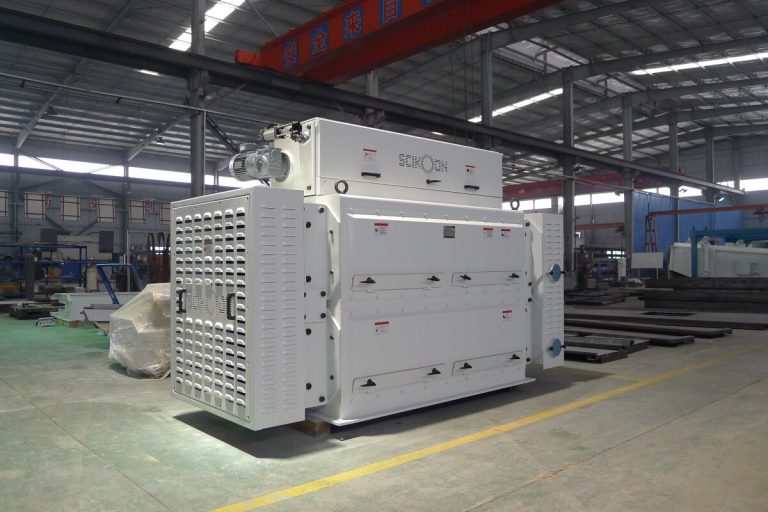
Section 3: Different Types of Corn Crusher Machines
Corn crusher machines come in several designs, each suited for specific applications and levels of production.
1. Hammer Mill Corn Crusher:
- Uses rapidly rotating hammers to crush corn.
- Best for producing fine corn particles for animal feed.
- Suitable for large-scale operations.
2. Roller Mill Corn Crusher:
- Utilizes cylindrical rollers to crush corn.
- Produces a more uniform particle size with minimal dust.
- Ideal for commercial milling and food processing.
3. Disk Mill Corn Crusher:
- Employs a rotating disk with teeth for fine grinding.
- Common in cornmeal and flour production.
- Best for medium-scale operations.
4. Corn Grinder Machine:
- General-purpose machine for grinding corn into smaller pieces.
- Versatile for home and small farm use.
5. Industrial Corn Milling Machine:
- Heavy-duty machine designed for high-volume corn crushing.
- Suitable for feed mills and large agricultural businesses.
6. Corn Cracking Machine:
- Designed specifically to crack corn without over-pulverizing it.
- Often used for poultry feed.
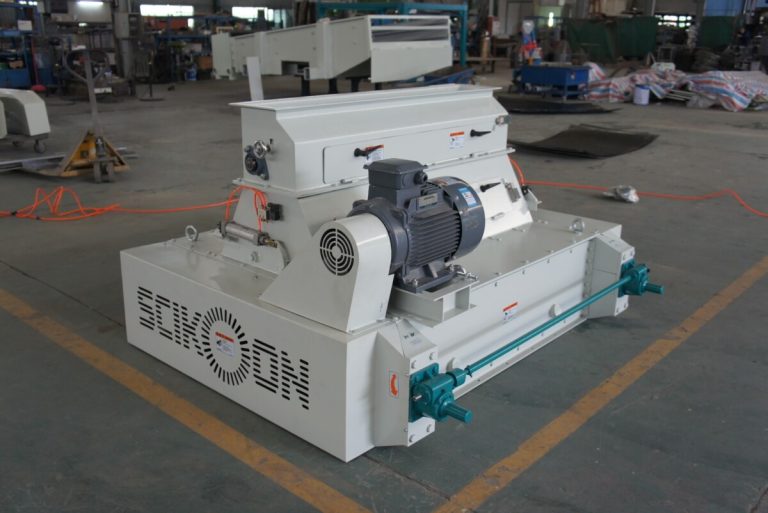
Section 4: Key Benefits of Using a Corn Crusher Machine
Investing in a corn crusher machine offers several advantages for both small farms and large agricultural businesses.
1. Enhanced Feed Quality:
- Crushed corn is easier for livestock to digest.
- Properly processed corn improves animal growth and health.
2. Improved Efficiency:
- Reduces manual labor and processing time.
- Automates the crushing process, increasing productivity.
3. Cost Savings:
- Minimizes grain wastage during feed production.
- Reduces feed costs by utilizing whole corn efficiently.
4. Versatile Applications:
- Can process multiple grains like maize, wheat, and barley.
- Suitable for feed, food, and brewing industries.
5. Consistent Output:
- Uniform particle sizes improve the quality of the final product.
- Ideal for controlled animal diets and quality flour production.
Section 5: Key Factors to Consider When Buying a Corn Crusher Machine
When purchasing a corn crusher machine, several factors must be evaluated to ensure you get the right equipment for your needs.
1. Production Capacity:
- Choose a machine that matches your output requirements.
- Consider daily feed production or milling needs.
2. Power Requirements:
- Check the machine’s motor capacity and power source.
- Ensure compatibility with your electrical supply.
3. Build Quality and Material:
- Opt for machines made from high-quality steel for durability.
- Corrosion-resistant materials improve machine lifespan.
4. Adjustable Settings:
- Look for machines with customizable crushing options.
- Essential for diverse applications like fine flour or coarse feed.
5. Energy Efficiency:
- Consider machines with optimized energy consumption.
- Helps reduce long-term operational costs.
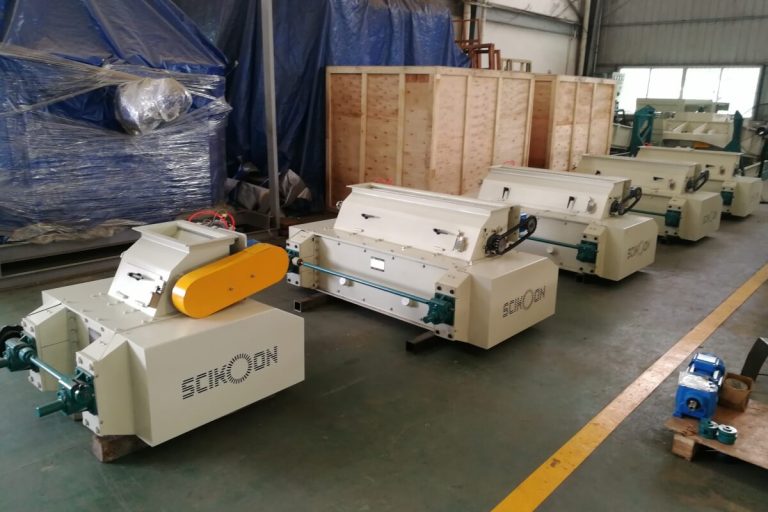
Section 6: Common Issues and Troubleshooting
Even with high-quality corn crusher machines, occasional issues can arise due to wear and tear, improper use, or lack of maintenance. Understanding these common problems and how to troubleshoot them can minimize downtime and ensure smooth operation.
1. Clogging of the Crushing Chamber:
- Cause:Overloading the hopper with too much corn at once or processing corn with high moisture content.
- Signs:Reduced output efficiency and machine stopping unexpectedly.
- Solution:
- Avoid overloading by feeding corn gradually.
- Ensure corn is sufficiently dried before crushing.
- Clean the crushing chamber regularly to prevent residue buildup.
2. Uneven Crushing Output:
- Cause:Dull blades, uneven feed distribution, or worn-out rollers.
- Signs:Irregular particle sizes and increased dust in the output.
- Solution:
- Inspect and sharpen or replace dull blades.
- Ensure consistent corn feeding for even processing.
- Adjust roller settings for uniform crushing.
3. Excessive Noise During Operation:
- Cause:Loose bolts, worn-out components, or insufficient lubrication.
- Signs:Loud grinding noises or vibrations during use.
- Solution:
- Tighten all bolts and fasteners.
- Lubricate moving parts such as rollers and bearings.
- Inspect and replace worn components.
4. Machine Overheating:
- Cause:Prolonged use without breaks, inadequate lubrication, or motor strain.
- Signs:The machine becoming hot to the touch and reduced efficiency.
- Solution:
- Allow the machine to cool after continuous use.
- Ensure proper lubrication of motor and crushing components.
- Check for blockages that could be straining the motor.
5. Reduced Output Capacity:
- Cause:Partial blockages in the feed system or a decrease in motor efficiency.
- Signs:Slower crushing speed and lower output than usual.
- Solution:
- Clean the feed chute and output channels regularly.
- Inspect motor performance and service if necessary.
Pro Tip: Regular preventive maintenance, as outlined in Section 7, can help avoid many of these issues.
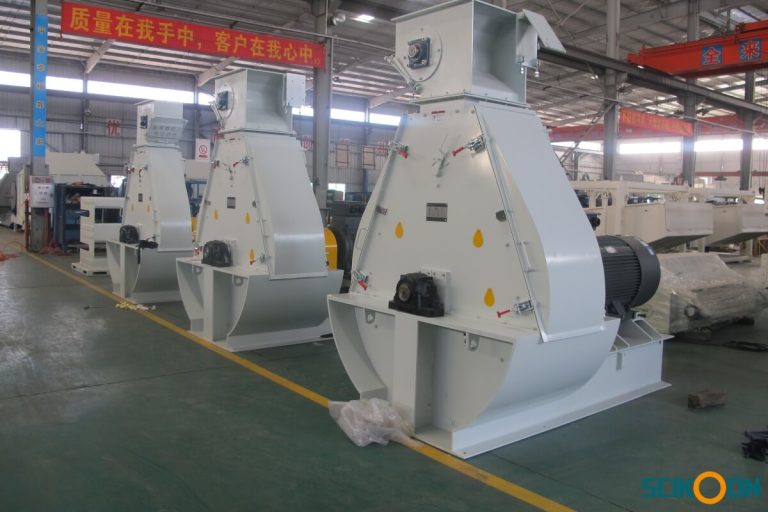
Section 7: Maintenance Tips for Corn Crusher Machines
Proper maintenance of your corn crusher machine is essential for ensuring longevity, optimal performance, and consistent results. Neglecting maintenance can lead to costly repairs and production downtime.
1. Routine Cleaning:
- Why:Corn dust and residue can accumulate inside the machine, leading to clogging and reduced efficiency.
- Steps:
- After each use, turn off the machine and allow it to cool.
- Use compressed air or a soft brush to remove residual corn particles from the hopper, blades, and output chute.
- Avoid using water directly inside the machine to prevent rust.
2. Blade and Roller Inspection:
- Why:Dull blades or worn rollers can affect crushing efficiency and output quality.
- Steps:
- Regularly inspect blades for sharpness and signs of wear.
- Sharpen blades if slightly dull or replace them if severely worn out.
- Check roller alignment and tension to ensure even crushing.
3. Lubrication of Moving Parts:
- Why:Friction between components can cause overheating and wear.
- Steps:
- Lubricate bearings, rollers, and motor parts with appropriate oil.
- Follow manufacturer guidelines for recommended lubrication frequency.
4. Electrical and Motor Check:
- Why:The motor is the core power source of the machine, and faults can halt production.
- Steps:
- Ensure the power supply is stable and matches the machine’s voltage requirements.
- Check for loose wires or connections periodically.
- Clean the motor casing to prevent dust buildup.
5. Belt and Drive System Maintenance:
- Why:The belt connects the motor to the crushing mechanism and affects the machine’s speed and power.
- Steps:
- Inspect the belt for cracks or looseness.
- Adjust the tension if the belt is too loose.
- Replace damaged belts promptly.
6. Storage Best Practices:
- Why:Proper storage prevents damage during idle periods.
- Steps:
- Store the machine in a dry, dust-free environment.
- Cover the machine to protect it from dirt and moisture.
- Drain the fuel (if using a fuel-powered machine) before long-term storage.
7. Scheduled Professional Servicing:
- Why:Annual servicing ensures all components are functioning properly and helps prevent unexpected breakdowns.
- Steps:
- Hire a professional technician for detailed inspections once a year.
- Request calibration if necessary.

Section 8: Corn Crusher Machine Price and Cost Factors
The price of a corn crusher machine can vary significantly based on multiple factors. Understanding these factors will help you make an informed purchasing decision without compromising on quality.
1. Machine Type and Design:
- Impact:Different models have varying levels of complexity and features.
- Details:
- Hammer mills and roller mills tend to be more expensive due to their larger capacity and efficiency.
- Manual or small-scale corn grinders are typically cheaper.
2. Production Capacity:
- Impact:Machines with higher output capacities are generally priced higher.
- Details:
- Small machines designed for home or small farm use may handle 100-500 kg/h.
- Industrial models can process several tons per hour, resulting in higher costs.
3. Material Quality and Build:
- Impact:Machines made from high-grade stainless steel or corrosion-resistant materials tend to be pricier.
- Details:
- Stainless steel and heavy-duty alloys are essential for durability and food safety.
- Lighter materials may reduce initial costs but could wear out faster.
4. Power Source and Motor Capacity:
- Impact:Electric-powered machines are generally more expensive than manually operated or fuel-powered alternatives.
- Details:
- Machines with energy-efficient motors tend to cost more upfront but save electricity costs in the long run.
5. Brand and Manufacturer Reputation:
- Impact:Established brands often charge a premium for their reliability and service quality.
- Details:
- Trusted manufacturers offer certified products with warranties, increasing the initial cost but ensuring long-term value.
6. Customization and Accessories:
- Impact:Machines with additional features or custom-built designs may have higher price tags.
- Details:
- Customizable features like adjustable crushing sizes, multiple output chutes, and additional safety guards can increase the price.
7. Geographical Location and Import Costs:
- Impact:Import taxes and shipping fees can significantly influence the final price.
- Details:
- Buying locally from a manufacturer can reduce shipping costs.
Average Price Ranges:
- Small Corn Grinders:$100 – $500
- Medium-Sized Corn Crusher Machines:$1,000 – $5,000
- Industrial Corn Crusher Machines:$5,000 – $50,000+
Section 9: Recommended Supplier of Corn Crusher Machines
Corn crusher machines are essential tools for efficient corn processing, whether for animal feed or food production. Understanding their types, benefits, and maintenance can help you make an informed purchase. For a reliable supplier with a proven track record, trust Scikoon Industry Co., Ltd. to deliver high-quality solutions tailored to your needs.
For a high-quality corn crusher machine, Scikoon Industry Co., Ltd. is your ideal partner. With over 20 years of expertise, Scikoon offers durable, efficient, and competitively priced corn crusher machines. They are ISO 9001:2015 certified and CE approved, ensuring premium quality products.
Scikoon Industry Co., Ltd.
Web: www.scikoonindustry.com
Email: info@scikoon.com
