

How to Choose the Right Grain Hammer Mill for Your Business?
Choosing the right grain hammer mill is a crucial decision for any business involved in grain processing, whether you’re producing animal feed, flour, or other grain-based products. The right mill can significantly impact the efficiency, quality, and cost-effectiveness of your operations. In this article, we will cover the key aspects to consider when purchasing a grain hammer mill, including the different types of mills available, the factors to evaluate based on your business needs, and how to avoid common mistakes. Let’s dive in!
Section 1: Common Knowledge of Grain Hammer Mill
A grain hammer mill is a type of grain processing machine designed to crush, grind, and pulverize grain materials into smaller, more manageable sizes. It is commonly used in the production of animal feed, flour, and other grain-based products. These mills are equipped with hammers or blades that rotate at high speeds, creating a shearing action that reduces the grain size.
Hammer mills are versatile machines, capable of processing various grains such as corn, wheat, barley, and oats. They are widely used in industries ranging from agriculture to food processing, making them essential for businesses involved in grain milling and grain crushing.
Section 2: Assessing Your Business Needs
Before selecting a grain hammer mill, it’s crucial to thoroughly assess your business needs. This will ensure you choose the right mill that aligns with your production goals. Here’s how to assess your business needs:
1. Determine Your Production Volume
Understand how much grain you need to process on a daily, weekly, or monthly basis. This will help you determine the capacity of the mill required for your operation.
- Small-scale operations: If you’re running a smaller business or farm, a low-capacity mill might suffice.
- Large-scale operations: For large production facilities, you’ll need a mill with high throughput and the ability to handle larger volumes of grain efficiently.
2. Identify the Type of Grain You Are Processing
The type of grain you process will play a significant role in choosing the right mill. Different grains have different properties that require specific milling solutions.
- Common grains: Wheat, barley, corn, oats, and rye are commonly processed, but each may require different grinding or cracking specifications.
- Specialty grains: If you handle specialty grains like millet or sorghum, make sure the mill is capable of processing these grains without clogging or causing inefficiencies.
3. Decide on the Desired End Product
The final product you intend to produce from the grain will influence the type of mill you choose.
- Flour or powder: If you’re producing finely ground flour or powder, you’ll need a mill capable of grinding grains to a fine consistency.
- Cracked or coarser grain: For animal feed or other purposes that require coarser grains, you’ll need a mill designed for cracking grainsrather than fine grinding.
4. Consider Future Growth and Expansion
Think about the future needs of your business. If you’re planning to increase your production or diversify your product line, select a mill that offers scalability and can adapt to higher volumes or different grain types.
- Flexible mills: Some mills offer variable speed and adjustable screens, allowing you to customize the grind size and capacity to meet evolving business demands.
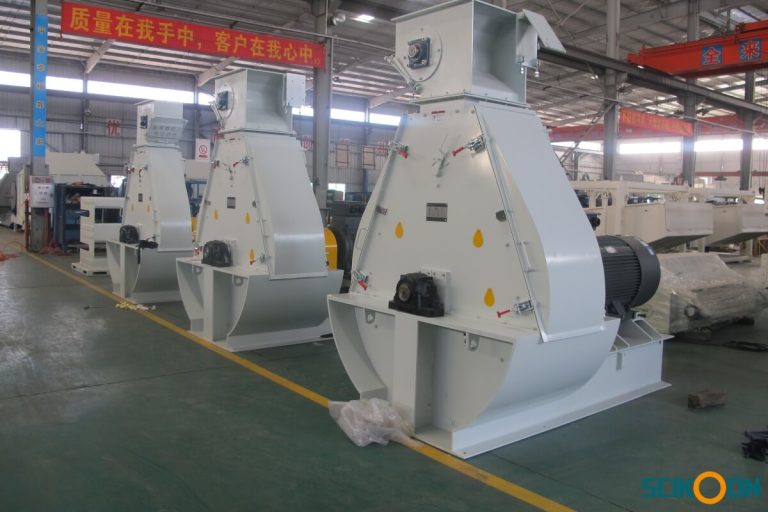
Section 3: Different Types of Grain Hammer Mills and Their Features
There are several types of grain hammer mills, each designed for specific applications and capacities. Here are some of the most common types:
1. Small-Scale Hammer Mills
These mills are ideal for small businesses or farms with limited processing needs. They are typically used for low-volume production, such as milling corn for animal feed or grinding wheat for flour. Small-scale mills are often more affordable and can be powered by electricity or a gas engine.
2. Industrial-Scale Hammer Mills
Designed for high-capacity, continuous processing, industrial-scale mills are suitable for larger operations that need to process large volumes of grain efficiently. These mills are equipped with powerful motors and advanced features, allowing them to handle a range of grains and provide consistent, high-quality output.
3. Grain Pulverizers
A grain pulverizer is a type of hammer mill specifically designed to produce a fine powder. Pulverizers are commonly used in the food industry or for grinding grain into flour or other fine products. These mills often include multiple stages of grinding and may have adjustable screens to control the fineness of the output.
4. Grain Cracking Mills
For operations that need to crack rather than grind the grain, a grain cracking mill is an ideal solution. These mills are designed to break down grains such as corn or barley into cracked pieces, which are often used for animal feed or malting.
5. Grain Roller Mills
A grain roller mill is another popular choice for businesses looking to process grains into coarser textures. Unlike hammer mills, roller mills crush the grain between two cylindrical rollers, which produce a more uniform product. Grain roller mills for sale are often favored for their ability to preserve the nutritional value of the grain while providing a consistent grind.
Each of these mills has its unique features and benefits, so it’s important to understand your specific processing requirements to select the right type.

Section 4: Key Factors to Consider When Buying a Grain Hammer Mill
When purchasing a grain hammer mill, there are several factors to consider beyond the basic specifications. These factors can influence your mill’s performance, longevity, and overall efficiency. Here’s what to keep in mind:
1. Mill Type and Design
There are different types of grain hammer mills available, each designed for specific purposes. Understanding these types will help you make the right choice.
- Hammer mills: These are the most common type, where grains are crushed or ground by rotating hammers. These mills are versatile and can handle a variety of grains.
- Roller mills: If you need a coarser grind or are processing grains like oats or barley for animal feed, a grain roller millmight be more appropriate. Roller mills apply pressure to grains, cracking or crushing them.
2. Motor Power and Efficiency
The motor power of the mill will directly impact its efficiency and capacity. When choosing a grain processing machine, you should consider:
- Motor size: Larger mills require higher motor power to process larger volumes of grain. Ensure that the motor is sufficiently powerful to handle your production needs without overloading.
- Energy efficiency: Look for mills designed with energy-saving features to keep operational costs down. An energy-efficient mill may have a higher upfront cost but will save you money in the long run by reducing electricity consumption.
3. Adjustable Grind Size and Consistency
Different applications require different grind sizes, so it’s important to choose a mill with adjustable settings.
- Adjustable screens: Some grain crushing machinesallow you to change the size of the mesh to control the final grain size, giving you the flexibility to produce various products from the same mill.
- Consistency: Consistent grind size is essential for uniformity in your end products, whether it’s animal feed or flour. Choose a mill known for delivering reliable and consistent results.
4. Durability and Build Quality
The build quality of the grain hammer mill will determine its lifespan and ability to withstand the rigors of continuous operation.
- Material quality: Ensure the mill is made from durable, high-quality materials, such as hardened steel, which can resist wear and tear over time.
- Maintenance requirements: Choose a mill that is easy to maintain and clean. Regular maintenance is crucial to ensuring the mill operates efficiently and has a long service life.
5. Safety Features
Safety should always be a priority when choosing any machinery. Look for grain processing equipment that includes built-in safety features such as:
- Emergency shut-off mechanisms: In case of malfunction, mills should have automatic shut-off switches or emergency stop buttons to prevent damage or accidents.
- Protective covers and guards: These prevent accidents by keeping workers safe from the rotating parts of the mill.
6. Cost vs. Performance
While price is an important factor, the relationship between cost and performance should guide your decision.
- Initial price: Compare the upfront cost of the mill with its capabilities. Cheaper mills may save you money initially, but might lack performance, resulting in inefficiencies and higher maintenance costs.
- Long-term value: Consider the total cost of ownership, including operational costs (e.g., energy consumption, maintenance) and the expected lifespan of the equipment. A slightly more expensive mill may offer superior performance and longevity, which can lead to greater savings over time.

Section 5: How to Choose the Suitable Grain Hammer Mill?
Choosing the right grain hammer mill is crucial for the smooth running of your business, ensuring you get the maximum return on investment. Here’s a step-by-step guide to help you make an informed decision:
1. Understand Your Production Needs
Before making any purchase, take a step back and analyze your business requirements. This will serve as the foundation for selecting the right mill. Ask yourself these key questions:
– What volume of grain will you process?
Determine the amount of grain you need to process per day or month. If you run a large-scale operation, you’ll need a high-capacity grain hammer mill with a large throughput. For smaller-scale operations, a more compact and cost-effective mill might be sufficient.
– What type of final product are you producing?
The grain’s end use plays a huge role in the mill selection. Are you grinding grain for animal feed, producing flour, or cracking the grain? Different mills may be better suited for specific products, and understanding the required texture will guide your decision.
– What types of grains are you processing?
Some grain processing machines are designed to handle specific grains such as corn, wheat, or barley, while others are versatile and can process a variety of grains. If you plan to process multiple types of grain, ensure the mill you choose is adaptable and has the necessary features to handle different materials.
2. Evaluate the Features and Capabilities of the Mill
Different grain processing machinery offer different features, which can significantly impact the performance and efficiency of the mill. When comparing mills, consider the following aspects:
– Adjustability of Grind Size:
The ability to change the screen size in a hammer mill allows you to control the particle size, ensuring that the processed grain meets your production needs. A mill with adjustable screens is ideal for businesses that require different grind sizes for various products.
– Motor Power and Energy Efficiency:
Consider the motor size and whether it is adequate for your processing needs. A higher motor power typically means a faster throughput and better performance. Additionally, energy efficiency is important for keeping operational costs low. Look for mills that offer high performance with lower energy consumption.
– Durability of Materials:
Grain hammer mills undergo heavy use and need to be durable. Look for mills made of high-quality materials such as hardened steel, which can resist wear and tear over time. A sturdy construction will help you get the most out of your investment.
– Ease of Maintenance:
Regular maintenance is necessary to ensure the longevity of your mill. Some mills are easier to maintain than others, with features like quick-access panels for cleaning and parts that are easy to replace. Choose a mill that simplifies maintenance to minimize downtime and maximize productivity.
3. Compare Pricing and Total Cost of Ownership
While price is a significant consideration, it’s essential to look beyond the initial cost and calculate the total cost of ownership. This includes:
– Initial Purchase Price:
The upfront cost will vary depending on the mill’s size, features, and manufacturer. Compare prices from different suppliers, but remember that a cheaper mill may not always be the most cost-effective option in the long run.
– Operational and Maintenance Costs:
A mill that is energy-efficient and easy to maintain can save you significant money over time. Make sure you factor in electricity consumption, parts replacement, and maintenance services.
– Warranty and After-Sales Support:
Look for a manufacturer that offers a solid warranty and responsive after-sales support. A warranty can save you from unexpected repair costs, and having access to technical support can help resolve issues quickly.
4. Test the Mill Before Purchasing (If Possible)
If possible, arrange a demonstration or trial run of the mill before making your final decision. Testing the mill in your own production environment will allow you to:
- Assess its performance and output
- Confirm that the mill meets your required grind size and texture
- Identify any potential issues or inefficiencies
- Ensure it fits seamlessly into your existing equipment and workflow

Section 6: Common Mistakes to Avoid When Choosing a Grain Hammer Mill
Selecting the right grain hammer mill can be overwhelming, especially with the variety of options available. To help ensure that you make the best choice, here are some common mistakes to avoid during the purchasing process:
1. Underestimating Production Volume Needs
One of the most common mistakes is underestimating your production needs. Many businesses opt for a mill that’s too small because it’s more affordable or easier to manage. However, this can lead to bottlenecks and inefficiencies as production demands increase. To avoid this mistake:
– Analyze your current and future processing volumes carefully. If your business is growing or if you plan to expand in the near future, choose a mill that can accommodate these growth projections.
– Account for potential downtime in your production schedule. If your current mill is struggling to keep up, it could lead to delays and lost revenue.
2. Choosing the Wrong Type of Mill
Each type of grain hammer mill is suited for different applications. Make sure that the mill you choose matches your specific needs in terms of grain type, output size, and production volume.
– Small-Scale vs. Industrial Models: A grain hammer mill for sale may vary in size and capacity. A small-scale mill might be adequate for smaller businesses, but it won’t meet the demands of a large-scale operation. On the other hand, choosing an industrial mill for a small business could result in higher upfront costs and inefficient operations.
– Cracking vs. Grinding: If you need a mill for cracking grain for animal feed or other uses, be sure to select a mill designed for cracking. Some mills are better for grinding, while others are tailored for cracking or pulverizing, so it’s essential to choose the correct type.
3. Ignoring Long-Term Costs and Maintenance
While the initial cost of a mill may seem affordable, long-term costs can add up. Maintenance, repairs, and energy consumption are ongoing expenses that should be considered.
– Energy Efficiency: A poorly designed mill with high energy consumption can lead to significant increases in your operational costs. Look for mills that offer energy-saving features and are efficient in their power use.
– Spare Parts Availability: Some manufacturers may offer a low upfront price but lack the availability of spare parts or technical support when you need it. It’s critical to buy from a reputable supplier with a track record of providing accessible parts and expert maintenance services.
4. Overlooking After-Sales Support
Even the best grain milling equipment may require technical support or repairs at some point. Be sure to choose a manufacturer that offers strong after-sales support, including:
– Warranty: A solid warranty ensures that you won’t incur significant costs in case of defects or performance issues.
– Customer Support: Having access to a responsive customer service team can help you resolve any issues quickly, minimizing downtime and keeping your operations running smoothly.
– Training and Guidance: Some manufacturers offer training for your staff to help them operate and maintain the equipment efficiently.
5. Focusing Only on Price
Price should not be the only factor in your decision-making process. While it’s tempting to choose the cheapest option, it’s essential to consider the grain hammer mill price in relation to its quality, performance, and longevity.
– Low-Cost Mills: Some low-cost mills may be tempting, but they may not have the durability or efficiency you need. Over time, you could face higher repair or maintenance costs.
– Long-Term Value: A slightly higher upfront cost could pay off in the long run if it offers better durability, higher performance, and lower operational costs.
Section 7: Recommended Supplier of Grain Hammer Mill
Choosing the right grain hammer mill is a vital step toward optimizing your grain processing operation. By understanding your business needs, evaluating different types of mills, considering key factors like maintenance and energy efficiency, and avoiding common mistakes, you can make an informed decision that will benefit your business in the long run.
For businesses looking to purchase a grain hammer mill, Scikoon Industry Co., Ltd. is a trusted name in the industry. With over 20 years of experience in manufacturing grain processing equipment, Scikoon Industry Co., Ltd. offers high-quality, durable, and efficient grain hammer mills that are perfect for a variety of businesses.
Scikoon Industry Co., Ltd.
Web: www.scikoonindustry.com
Email: info@scikoon.com
