

Seed Processing Machines: Revolutionizing Modern Agriculture
Introduction
In agriculture, the quality of the seed is a critical determinant of a successful harvest. High-quality seeds are not only essential for ensuring robust crop yields but also play a pivotal role in sustainable farming practices. For centuries, seed cleaning and preparation were labor-intensive tasks that relied on manual effort.
Enter seed processing machines – an innovative solution that has revolutionized the way seeds are processed and prepared for planting. These machines bring precision, efficiency, and automation to seed processing, ensuring better seed quality and minimizing wastage.
Whether you’re a farmer, seed supplier, or an industrial agricultural producer, understanding seed processing machines can help optimize your operations. This article delves into every aspect of these machines, from their basic functions to advanced features, applications, and long-term benefits.
Section 1: Understanding the Basics of Seed Processing Machines
1. What Is a Seed Processing Machine?
A seed processing machine is a specialized piece of equipment designed to prepare seeds for planting by removing impurities and sorting them based on specific criteria such as size, weight, and quality. These machines automate the traditionally manual processes of cleaning, grading, and sorting, significantly improving efficiency and accuracy.
For example, a seed cleaner removes dust, stones, and debris, while a grader ensures seeds are uniform in size, which is essential for mechanical sowing. Beyond cleaning and sorting, some machines also treat seeds with protective coatings to enhance germination and resistance to pests or diseases.
These machines are integral to modern farming and seed production operations, particularly in an era where efficiency and sustainability are paramount.
2. What Types of Materials Can a Seed Processing Machine Process?
Seed processing machines are versatile and can handle a wide variety of materials. The type of seed being processed often determines the machine’s configuration and components. Some of the most commonly processed materials include:
- Grains: Wheat, rice, barley, and maize are staple crops that benefit from seed processing to remove chaff and ensure uniformity.
- Vegetables: Seeds from cucumbers, tomatoes, carrots, and lettuce are cleaned and graded to improve germination rates for commercial growers.
- Oilseeds: Sunflower seeds, canola, and soybean seeds are processed to prepare for oil extraction or planting.
- Legumes and Pulses: Lentils, peas, and chickpeas often require cleaning to remove soil and small stones.
- Specialty Seeds: Includes herbs, spices, and ornamental plant seeds that require precision cleaning and sorting for high-value markets.
This adaptability ensures that seed processing machines can meet the diverse needs of the agricultural industry.
Section 2: Technical Features and Variations
3. What Are the Key Components of a Seed Processing Machine?
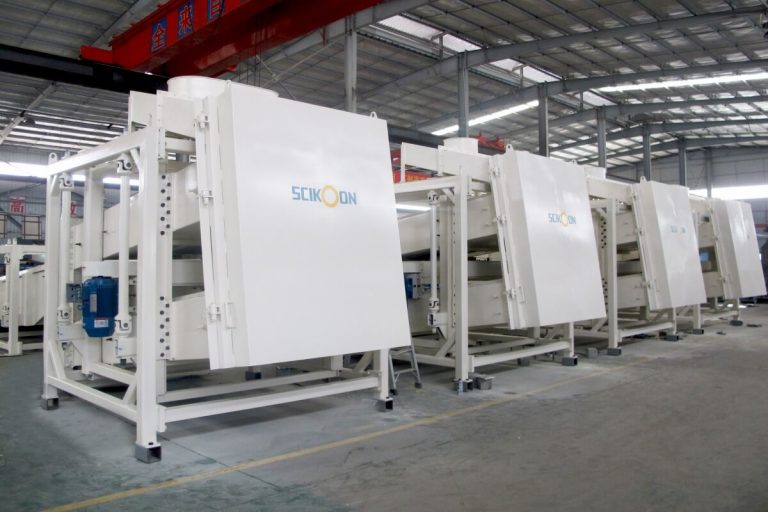
Modern seed processing machines are intricate systems comprising various components that work together seamlessly. Each part plays a critical role in ensuring the desired seed quality. Here’s a closer look at the main components:
- Feed Hopper: Where raw seeds are loaded into the machine. The design often includes vibratory systems to ensure smooth and consistent feeding.
- Cleaning Units: Incorporate sieves, air filters, and magnets to remove debris, dust, and non-metallic and metallic impurities.
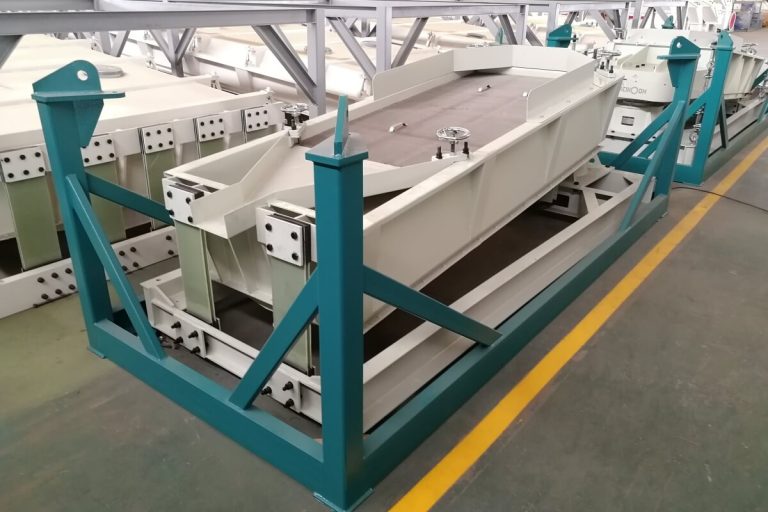
- Grading Mechanisms: Typically use vibrating screens and perforated plates to classify seeds based on size and shape.
- Air Separation Systems: Employ airflow to separate lighter chaff and impurities from heavier seeds.
- Optical Sorters: Advanced machines use cameras and AI to detect and separate seeds with surface defects or color irregularities.
- Seed Coaters: Apply chemical treatments, nutrients, or coatings to improve seed performance.
- Conveyors: Transport seeds between different stages of processing.
These components ensure that the machine delivers high performance and reliability.
4. How Does a Seed Processing Machine Work?
The functionality of a seed processing machine is a combination of precision mechanics and automation. Below is a detailed step-by-step workflow:
- Feeding: Raw seeds are loaded into the hopper and distributed evenly onto the conveyor belt or vibrating tray.
- Pre-Cleaning: Large debris like stones, sticks, and oversized impurities are removed using scalpers and magnetic separators.
- Cleaning: Seeds pass through multiple sieves and air filtration systems to remove smaller particles like dust, broken seeds, and chaff.
- Grading: Seeds are sorted based on size, shape, and weight, ensuring uniformity for planting or packaging.
- Treatment: Coatings, pesticides, or nutrients are applied to enhance germination, growth, and pest resistance.
- Drying: Moisture is reduced to safe levels using specialized drying chambers, ensuring seeds are ready for storage.
- Packaging: Processed seeds are weighed and packed into bags or containers for distribution.
This automated process minimizes manual intervention and ensures consistent quality at every stage.
Section 3: Applications and Industries
5. What Industries Use Seed Processing Machines?
Seed processing machines find applications in a variety of industries, including:
- Agriculture: Farmers and seed suppliers use these machines to prepare high-quality seeds for planting.
- Food Processing: Sorting and grading seeds like sesame, sunflower, and quinoa for human consumption.
- Oil Extraction: Processing oilseeds such as soybean and canola for efficient oil production.
- Horticulture: Preparing grass, flower, and ornamental plant seeds for landscaping and nurseries.
- Bioenergy: Grading seeds used in biofuel production, like jatropha and castor beans.
Their versatility makes them a cornerstone in both large-scale commercial agriculture and niche markets.
6. What Are the Benefits of Using a Seed Processing Machine?
The benefits of seed processing machines extend beyond just efficiency. They include:
- Higher Crop Yields: Cleaner and higher-quality seeds result in healthier plants and more abundant harvests.
- Cost Savings: Automated systems reduce labor requirements and processing time, cutting costs.
- Eco-Friendly Operations: Efficient machines reduce waste and energy consumption, supporting sustainable practices.
- Enhanced Seed Longevity: Proper cleaning, drying, and treatment improve seed storage capabilities.
- Precision and Uniformity: Ensures consistent seed quality, which is critical for large-scale agricultural operations.
These advantages underscore the machine’s role in modern farming.
Section 4: Maintenance, Troubleshooting, and Efficiency
7. How Do You Maintain a Seed Processing Machine?
Regular maintenance ensures your machine operates at peak efficiency and extends its lifespan. Maintenance tasks include:
- Daily Cleaning: Remove residual seeds and dust after each use to prevent blockages.
- Weekly Inspections: Check belts, sieves, and screens for wear and tear.
- Monthly Lubrication: Ensure moving parts are well-lubricated to avoid friction.
- Annual Servicing: Engage professional technicians to inspect and service key components.
Preventive maintenance not only minimizes downtime but also reduces the likelihood of costly repairs.
8. What Are Common Problems and How Can You Troubleshoot Them?
Despite their reliability, seed processing machines can face challenges. Common issues include:
- Clogged Screens: Clean or replace blocked screens promptly.
- Inconsistent Grading: Recalibrate the grading mechanisms.
- Mechanical Failures: Replace worn-out belts, bearings, or motors.
- Power Supply Issues: Ensure a stable and adequate power source.
Understanding these problems and their solutions ensures uninterrupted operations.
9. Are There Safety Precautions to Consider When Using a Seed Processing Machine?
Safety is paramount when operating machinery, and seed processing machines are no exception. Following safety protocols not only protects workers but also ensures smooth operations. Here are key precautions to follow:
- Read the Manual: Always refer to the manufacturer’s guidelines before operating the machine.
- Use Protective Gear: Operators should wear gloves, goggles, and dust masks to shield against particles and moving parts.
- Training: Ensure that all personnel are adequately trained in machine operation and troubleshooting.
- Emergency Stops: Familiarize staff with emergency stop buttons and protocols in case of malfunctions.
- Electrical Safety: Check all wiring and connections to avoid short circuits or power surges.
- Avoid Overloading: Overloading the feed hopper can cause mechanical strain, leading to inefficiencies or damage.
- Regular Inspections: Inspect safety guards, covers, and locking mechanisms to ensure they are intact.
By adhering to these safety practices, you can significantly reduce the risk of accidents and ensure compliance with workplace safety standards.
10. What Is the Typical Lifespan of a Seed Processing Machine?
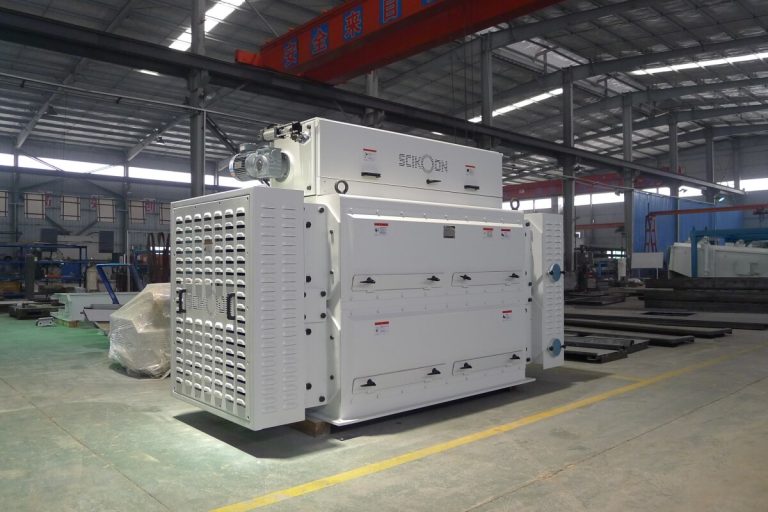
The lifespan of a seed processing machine depends on factors like build quality, usage frequency, and maintenance. On average, a high-quality machine from a reputable manufacturer, such as Scikoon Industry Co., Ltd., can last between 10 to 15 years or longer.
Key factors influencing longevity include:
- Material Quality: Machines made with durable stainless steel components are more resistant to wear and corrosion.
- Maintenance Practices: Regular servicing and proper use extend the machine’s lifespan.
- Operational Environment: Machines used in clean, temperature-controlled environments tend to last longer.
Investing in a well-built machine and adhering to a strict maintenance schedule ensures it remains operational and efficient for years to come.
Section 5: Choosing and Installing a Seed Processing Machine
11. How Do You Choose the Right Seed Processing Machine for Your Needs?
Selecting the perfect seed processing machine requires a clear understanding of your operational needs. Here’s a step-by-step guide:
- Identify Seed Types: Different seeds require different processing techniques. For example, oilseeds like sunflower may need heavier-duty cleaning than vegetable seeds.
- Determine Capacity: Assess your production scale—whether it’s small-scale farming or industrial operations. Machines are available in a wide range of capacities to suit varied needs.
- Budget Considerations: Compare initial costs, maintenance expenses, and potential ROI (return on investment).
- Technology Features: Look for advanced features such as AI-driven optical sorting, automated grading, and energy-efficient systems.
- Ease of Use and Support: Ensure the machine is user-friendly and that the supplier offers reliable after-sales support, including spare parts and technical assistance.
- Custom Solutions: Some suppliers, like Scikoon Industry Co., Ltd., offer customizable machines tailored to specific processing needs.
Taking these factors into account will help you make an informed decision and maximize your investment.
12. How Do You Install a Seed Processing Machine in Your Production Line?
Installing a seed processing machine requires careful planning and execution to ensure it integrates seamlessly into your production line. Here’s a detailed process:
- Site Preparation: Choose a well-ventilated, dust-free area with adequate space for the machine and related equipment.
- Power and Utilities: Ensure the site has a stable power supply, appropriate voltage, and connections for any additional utilities like air compressors or dust collectors.
- Foundation Setup: Some machines require sturdy, level foundations to reduce vibrations and ensure smooth operation.
- Professional Installation: Work with the manufacturer or authorized technicians to install and calibrate the machine correctly.
- Initial Testing: Run test batches to ensure all components, including separators, cleaners, and graders, are functioning optimally.
- Operator Training: Train staff on machine operation, safety measures, and troubleshooting.
Proper installation minimizes downtime and helps you get the most out of your equipment.
Section 6: Cost, Investment, and Alternatives
13. What Is the Cost of a Seed Processing Machine?
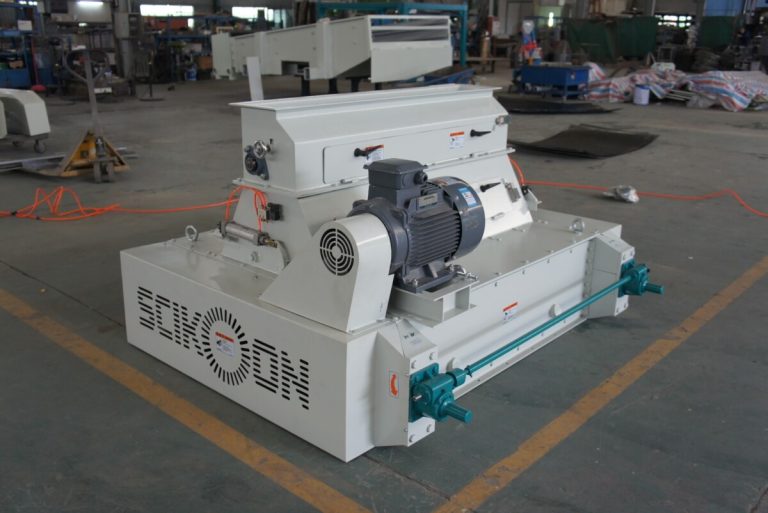
The cost of a seed processing machine can vary widely based on its size, features, and level of automation. Here’s a breakdown:
- Basic Models: Small machines for seed cleaning and grading can cost between $5,000 and $10,000, making them suitable for small-scale farmers.
- Mid-Range Machines: These machines, often equipped with multiple functionalities, range from $20,000 to $50,000.
- High-End Industrial Systems: Fully automated machines with advanced features like optical sorting can cost over $100,000.
While initial costs may seem high, it’s important to consider the long-term savings in labor, reduced seed waste, and improved crop yields.
14. Is a Seed Processing Machine a Good Long-Term Investment for My Business?
Investing in a seed processing machine offers several long-term benefits:
- Enhanced Efficiency: Automation reduces reliance on manual labor, saving time and money.
- Better Product Quality: High-quality seeds lead to improved germination rates and higher crop yields.
- Sustainability: Energy-efficient machines contribute to eco-friendly operations, reducing the carbon footprint.
- Scalability: As your business grows, modular machines can often be upgraded to meet increasing demands.
For businesses in agriculture and seed production, a seed processing machine is not just an expense but a strategic investment in productivity and profitability.
15. How Can I Choose the Best Seed Processing Machine for My Production Line?
To choose the best machine for your operation, consider the following tips:
- Consult Experts: Engage with industry professionals or manufacturers like Scikoon Industry Co., Ltd., who can recommend suitable solutions.
- Focus on ROI: Evaluate how the machine will impact your bottom line through cost savings and increased efficiency.
- Customization: Opt for machines that can be tailored to your specific crop or production requirements.
- Durability: Invest in machines with a solid build and long warranty periods.
Choosing the right machine ensures long-term satisfaction and operational success.
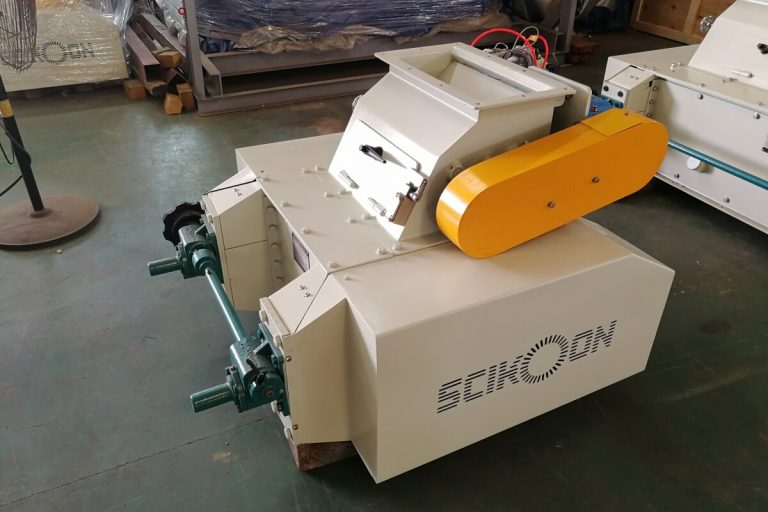
Words at the Last
Seed processing machines are transforming the agricultural landscape, making it easier to produce high-quality seeds for a variety of applications. Whether you’re looking to clean and sort sunflower seeds, treat vegetable seeds, or process grains, these machines provide the precision and efficiency needed for modern farming.
Their benefits—ranging from reduced labor costs to improved crop yields—make them an invaluable tool for farmers and seed producers alike.
Recommended Supplier of Seed Processing Machines
For those seeking a reliable and innovative supplier, look no further than Scikoon Industry Co., Ltd. With over 20 years of expertise in manufacturing seed processing machinery, Scikoon is committed to providing cutting-edge solutions tailored to your needs.
Why Choose Scikoon?
- Comprehensive Product Range: From seed cleaning to sorting and treatment machines, Scikoon offers it all.
- Competitive Pricing: High-quality machines at affordable rates.
- Excellent After-Sales Support: Reliable technical assistance and spare parts availability.
Partner with Scikoon Industry Co., Ltd., and take your seed processing to the next level. Contact us today to learn more!
Scikoon Industry Co., Ltd.
Web: www.scikoonindustry.com
Email: info@scikoon.com
