

Soybean Processing Machines: A Beginner's Guide to Getting Started
Introduction
Soybeans have ended up being a vital agricultural product worldwide, fueling industries from food manufacturing to renewable resource. Nevertheless, their trip from raw harvest to consumable or industrially usable items is much from simple. It calls for innovative equipment to process soybeans efficiently, safely, and cost-effectively.
Soybean handling devices play an important duty in changing this versatile vegetable into high-value products such as soybean oil, soy protein, soy flour, animal feed, and biofuels. For businesses wanting to discover soybean handling, understanding these machines is the very first step toward effective procedures.
This overview gives a deep dive into soybean processing machines. Treatment whatever from vital components and kinds to upkeep and troubleshooting, this comprehensive source will furnish you with the knowledge to choose and operate the best equipments for your needs. By the end, we will recommened a reliable supplier of soybean processing machines.
Section 1: What Are Soybean Processing Machines? What Are They Used For?
– Defining Soybean Processing Machines
Soybean processing machines are specialized equipment designed to deal with various stages of soybean transformation, from cleansing and arranging to oil removal and product packaging. Each device is crafted to carry out specific features, guaranteeing effective, top quality manufacturing.
– What Are Soybean Processing Machines Used For?
Soybean processing machines serve varied applications:
- Edible Products: Producing soy milk, tofu, soy protein isolate, soy flour, and textured vegetable protein (TVP).
- Soybean Oil Extraction: Extracting soybean oil, a popular cooking oil, and a key ingredient in margarine, mayonnaise, and other food products.
- Animal Feed: Processing soybean meal into high-protein livestock feed.
- Industrial Applications: Producing biodiesel, soy-based plastics, and adhesives.
- Food Security: Supporting sustainable agriculture and plant-based protein alternatives for growing global populations.
Soybean processing machines not just boost effectiveness yet likewise make certain regular top quality and reduced waste, making them essential in modern production.

Section 2: What Are the Key Components of a Soybean Processing Machine?
A soybean processing machine is a complex system made up of various components, each developed to enhance performance and efficiency.
1. Feed Hopper
The feed hopper is the starting point where raw soybeans are loaded. It ensures a steady and controlled feed into the processing system, preventing blockages and optimizing throughput.
2. Cleaning Mechanism
- Vibrating Screens: Separate dust, dirt, and small debris.
- Magnetic Separators: Remove metallic contaminants to protect downstream equipment.
- Air Classifiers: Eliminate lightweight impurities like husks and straw.
3. Dehulling Mechanism
The dehulling unit removes the soybean hull, which is indigestible and lowers oil yield. This step significantly enhances oil extraction efficiency and improves the texture of soy products like tofu and soy milk.
4. Crushing and Milling Unit
- Crushing Rollers: Break down soybeans into smaller particles.
- Milling Blades: Grind soybeans into fine flour or meal.
5. Oil Extraction System
- Mechanical Press: Uses screws or pistons to extract oil through high pressure.
- Solvent Extraction Unit: Employs chemical solvents like hexane to achieve higher oil recovery rates.
6. Heating and Drying System
- Heaters: Heat soybeans to deactivate anti-nutritional factors like trypsin inhibitors.
- Dryers: Reduce moisture content for better storage and handling.
7. Control Panel
Modern machines include advanced digital control panels to monitor and adjust parameters such as temperature, pressure, and speed, ensuring optimal performance.
Section 3: How Does a Soybean Processing Machine Work?
Understanding the process of a soybean processing machine aids drivers take full advantage of effectiveness. Below’s a detailed breakdown:
- Loading: Soybeans are loaded into the hopper, where they are evenly distributed into the system.
- Cleaning: The machine removes impurities to ensure only high-quality soybeans move forward.
- Dehulling: The hull is removed to improve downstream processes like oil extraction and soy protein production.
- Crushing or Grinding: Soybeans are crushed or milled into smaller particles, increasing surface area for oil extraction or further processing.
- Oil Extraction: Mechanical pressing or solvent-based methods are used to extract oil.
- Drying and Cooling: The processed product is dried to remove excess moisture and cooled to stabilize it for storage or packaging.
- Packaging: Final products are weighed, sealed, and packed for distribution.

Section 4: Types of Soybean Processing Machines
1. Cleaning and Sorting Machines
- Soybean Separator: Removes foreign materials like stones and metals.
- Soybean Grader: Sorts beans by size for uniform processing.
2. Dehulling Machines
- Soybean Peeler: Strips the hull from the soybean.
- Soybean Sheller: Removes shells in bulk for large-scale operations.
3. Crushing and Milling Machines
- Soybean Crushing Machine: Breaks down whole beans for oil extraction or meal production.
- Soybean Milling Machine: Produces fine soybean flour or powder.
4. Oil Extraction Machines
- Soybean Press Machine: Mechanically extracts oil, leaving soybean cake as a byproduct.
- Soybean Extractor: Uses solvents for higher oil yield.
5. Drying and Extruding Machines
- Soybean Dryer: Reduces moisture content.
- Soybean Extruder: Produces textured soy protein or other extruded products.
Section 5: What Are the Benefits of Using a Soybean Processing Machine?
1. Increased Productivity
Soybean processing machines handle large volumes quickly, reducing manual labor and increasing output.
2. Cost-Effectiveness
Automation reduces operational costs by minimizing resource wastage and labor expenses.
3. Consistent Quality
Machines ensure uniformity in processed products, meeting stringent quality standards.
4. Versatility
Soybean processors can produce a wide range of products, from soy milk and oil to animal feed and biodiesel.
5. Sustainability
Modern machines incorporate energy-efficient designs and reduce waste, aligning with eco-friendly practices.
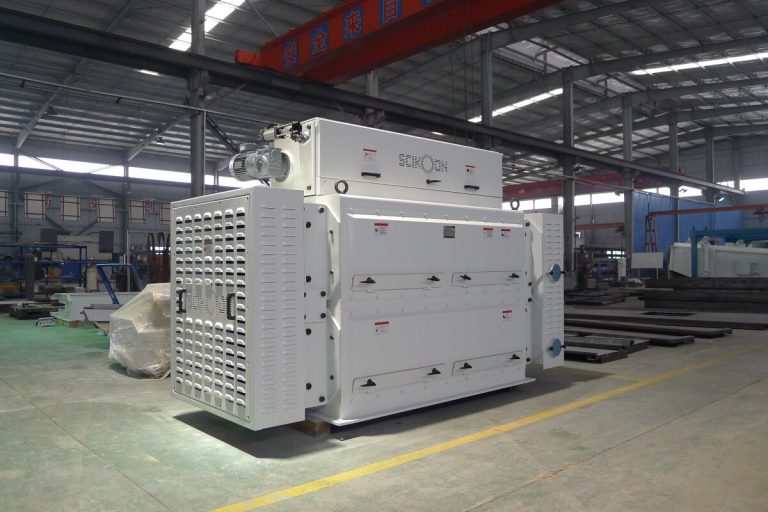
Section 6: Key Features to Look for in a Soybean Processing Machine
Choosing the ideal soybean processing machine is a considerable investment, so it is essential to recognize essential features that line up with your production objectives. Here’s what to consider:
1. Processing Capacity
Machines come in various sizes, from small-scale units for farmers to industrial systems capable of processing tons of soybeans per hour. Choose one that meets your production volume while leaving room for future expansion.
2. Build Quality and Durability
High-quality materials like stainless steel and heavy-duty components ensure the machine can withstand prolonged use in demanding environments. Durability reduces downtime and repair costs.
3. Energy Efficiency
Energy-efficient machines lower operational costs. Look for models with optimized motor systems and heat recovery features to save electricity and fuel.
4. Automation and Control Features
Modern machines often include:
- Touchscreen Control Panels: For easy operation and real-time monitoring.
- Pre-programmed Settings: Allow operators to process different soybean products efficiently.
- Sensors: Detect issues like overheating or blockages and shut down the machine automatically.
5. Scalability and Flexibility
Machines that can be upgraded or modified to process various soybean products—such as oil, flour, and protein isolate—offer greater versatility for expanding business operations.
6. Hygiene and Safety Standards
Ensure the machine meets industry standards for cleanliness and safety, especially for food-grade production. Features like easy-to-clean components and enclosed systems can prevent contamination.
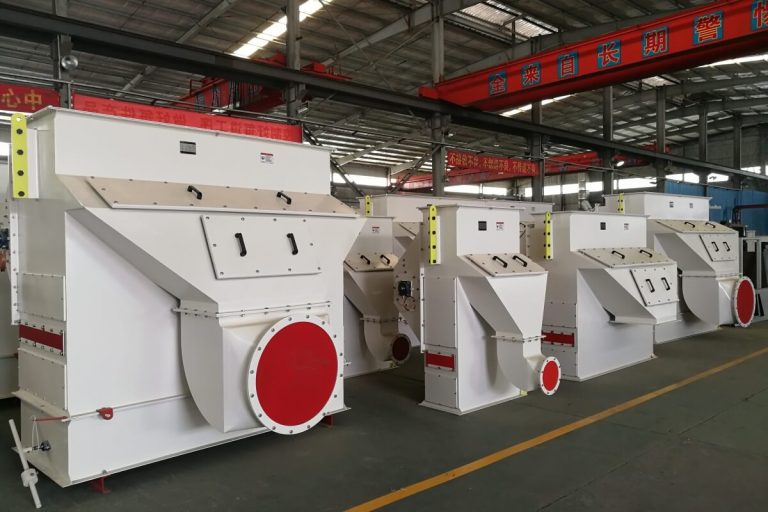
Section 7: Step-by-Step Guide to Getting Started
1. Assess Your Production Needs
Define what you want to achieve with soybean processing. Are you focusing on oil extraction, soy protein, or animal feed? This will determine the type of machinery you require.
2. Plan Your Facility Layout
Organize your workspace for optimal workflow. Key considerations include:
- Sufficient space for machinery and raw material storage.
- Proper ventilation for machines that generate heat or fumes.
- Easy access to electrical and water supplies.
3. Select the Right Machine
Work with reputable suppliers like Scikoon Industry Co., Ltd. to choose equipment tailored to your specific needs.
4. Installation and Setup
Hire trained technicians to ensure proper installation and calibration. Misalignment or incorrect setup can lead to inefficiencies or damage to the machine.
5. Operator Training
Train your team to operate, maintain, and troubleshoot the machine. Skilled operators can prevent costly errors and ensure consistent production quality.
6. Test Runs
Conduct trial runs with a small batch of soybeans to fine-tune settings and identify any adjustments needed.
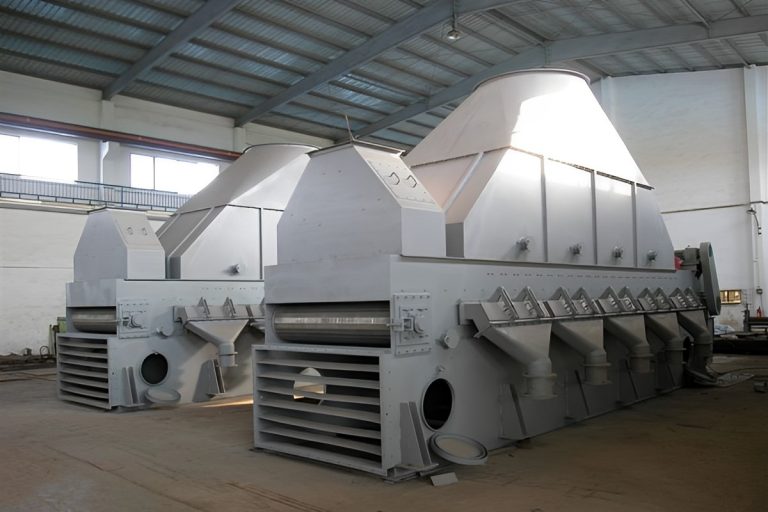
Section 8: Maintenance and Troubleshooting
– Maintenance Tips for Longevity
- Daily Cleaning: Remove debris, oil residues, and moisture to prevent buildup and corrosion.
- Lubrication: Apply lubricants to moving parts according to the manufacturer’s recommendations.
- Regular Inspections: Check belts, bearings, and seals for wear and tear. Replace damaged parts immediately.
- Electrical Components: Inspect wiring and connections to ensure stable power supply and prevent shorts.
– Common Issues and Solutions
- Low Output: Check feed quality, adjust machine settings, and ensure proper alignment.
- Clogs in the Hopper: Clean the feeding system and ensure soybeans are free of debris.
- Overheating: Verify ventilation and reduce operational loads.
- Uneven Grinding or Crushing: Replace worn blades or rollers and recalibrate settings.
Proactive maintenance reduces downtime and extends the lifespan of your equipment, ensuring consistent productivity.
Section 9: How to Choose the Suitable Soybean Processing Machine?
Choosing the appropriate machine needs cautious factor to consider of your particular needs. Right here’s a detailed guide to help:
1. Define Your Goals
- Are you producing soybean oil, animal feed, soy flour, or other products?
- Will your production be small-scale or industrial?
2. Understand the Production Process
Identify the stages of soybean processing you plan to handle. For example, if you focus solely on oil extraction, prioritize machines like oil presses or extractors.
3. Evaluate Your Budget
Higher-end machines with advanced features often cost more upfront but offer better efficiency and lower maintenance costs in the long run.
4. Consider Customization
Some manufacturers, like Scikoon Industry Co., Ltd., offer customizable machines tailored to unique production needs.
5. Look for Supplier Support
Choose a supplier with a reputation for quality, after-sales service, and spare parts availability.
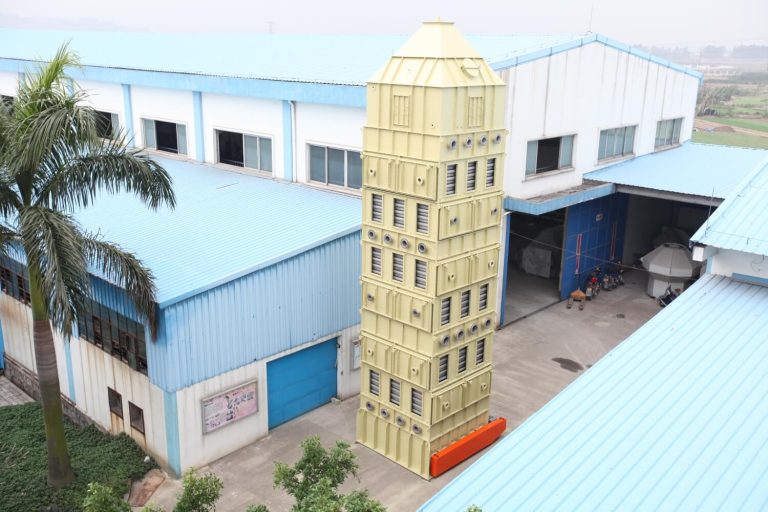
Section 10: Where to Buy a Soybean Processing Machine?
Getting the appropriate equipment starts with locating a reliable provider. Here are pointers for choosing the very best alternative:
What to Look for in a Supplier
- Experience: Companies with decades of expertise, like Scikoon Industry Co., Ltd., offer reliable and innovative machinery.
- Customer Reviews: Look for testimonials and case studies from other buyers.
- Global Reach: A supplier with a proven international track record is likely to meet your quality and compliance expectations.
- Support Services: Installation, training, and maintenance are essential for smooth operations.
Words at the Last
Soybean processing machines are crucial devices for transforming raw soybeans into important products like oil, healthy protein, and animal feed. Understanding their elements, functions, and upkeep guarantees effective manufacturing and long-lasting integrity. Whether you’re starting a tiny procedure or expanding an industrial-scale business, the appropriate machinery can considerably impact your success.
Recommended Supplier of Soybean Processing Machines
For over two decades, Scikoon Industry Co., Ltd. has been a pioneer in the field of soybean processing machinery. Here’s why you should choose Scikoon:
- Innovative Technology: Cutting-edge designs that improve efficiency and product quality.
- Custom Solutions: Machines tailored to meet unique production needs.
- Reliable Support: Comprehensive after-sales services, including spare parts and technical assistance.
Contact Scikoon Industry Co., Ltd. today to find the perfect solution for your soybean processing needs!
Scikoon Industry Co., Ltd.
Web: www.scikoonindustry.com
Email: info@scikoon.com
